

Women’s Native Tree Project Trust

Women’s Native Tree Project Trust korero
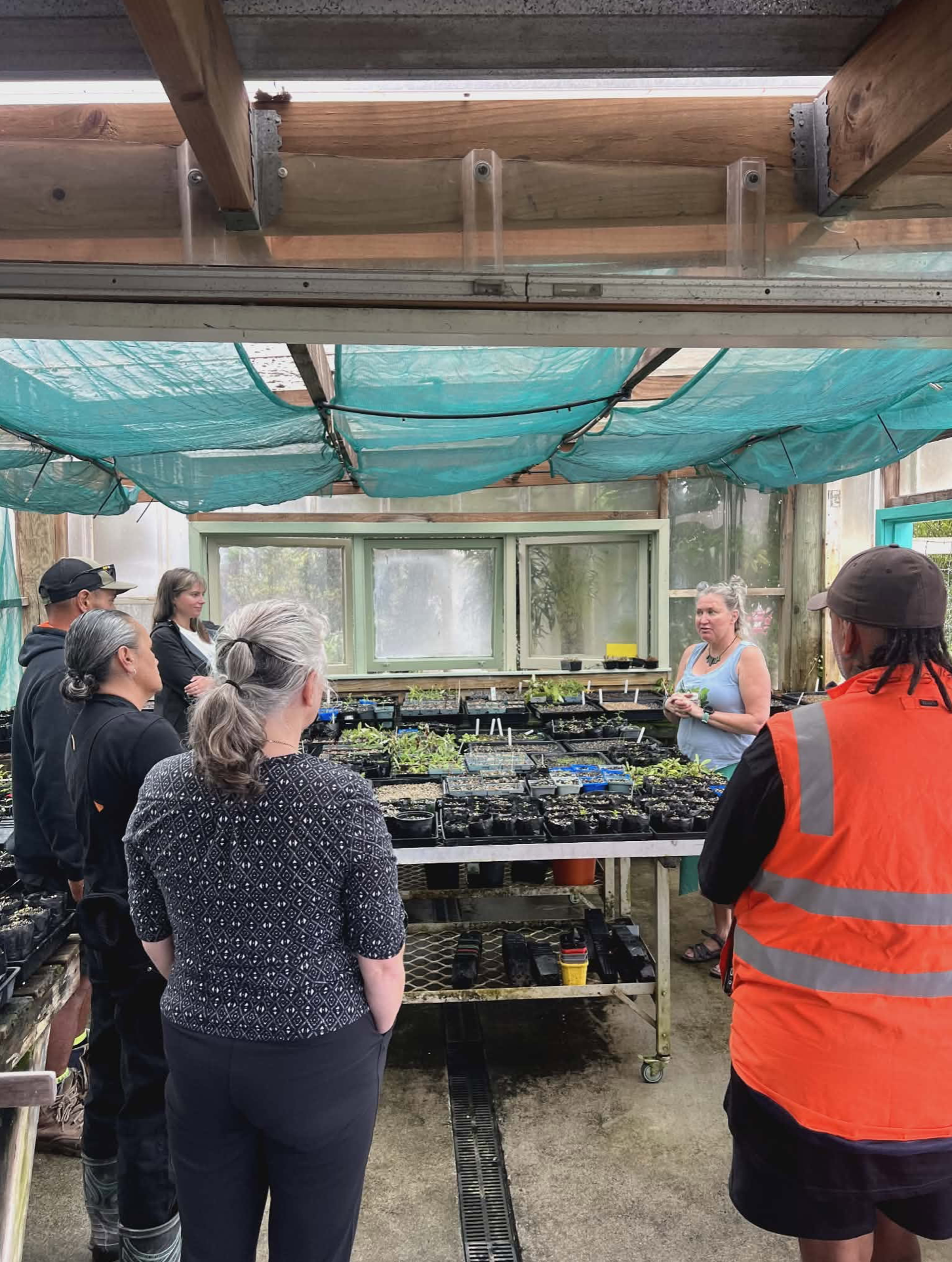
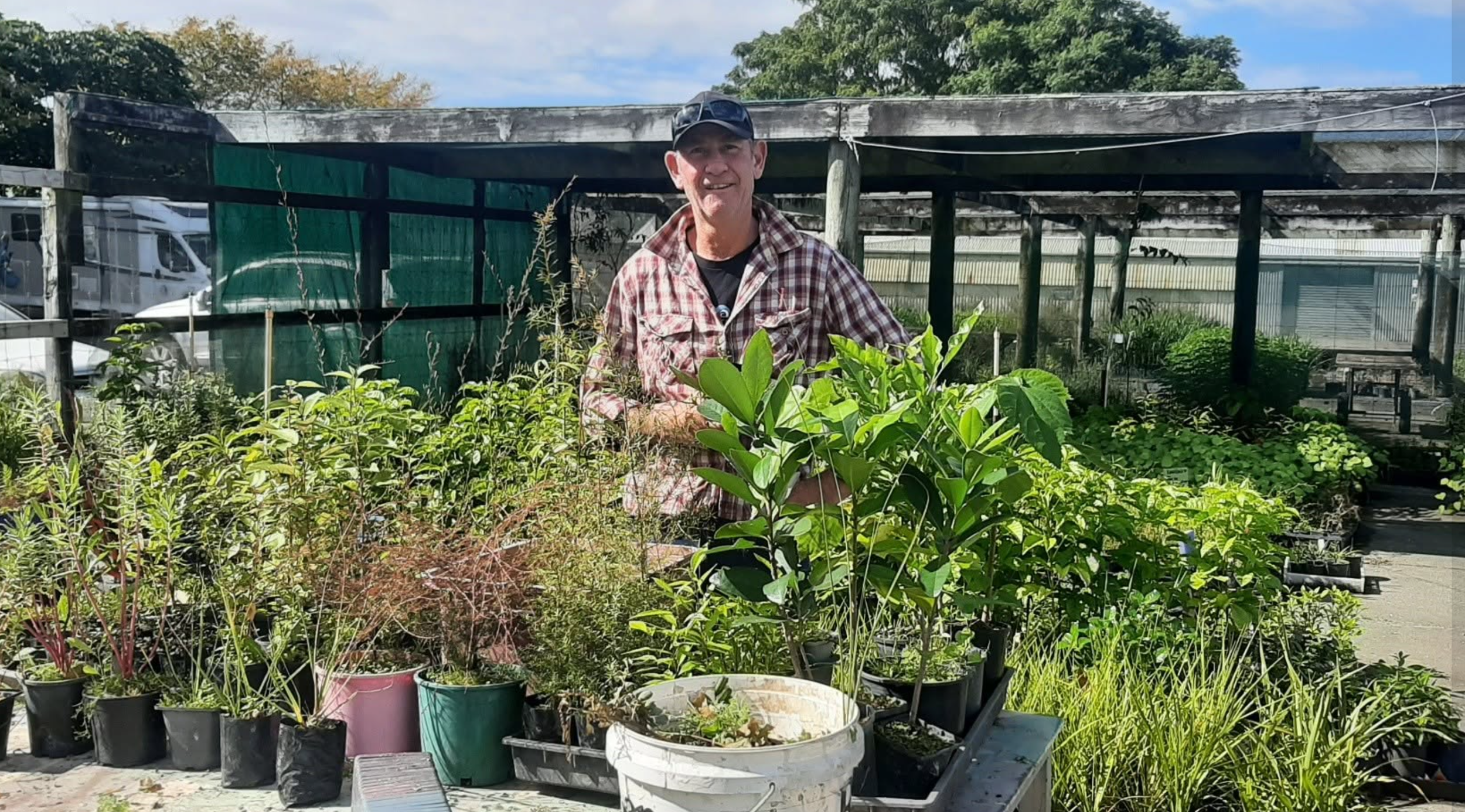
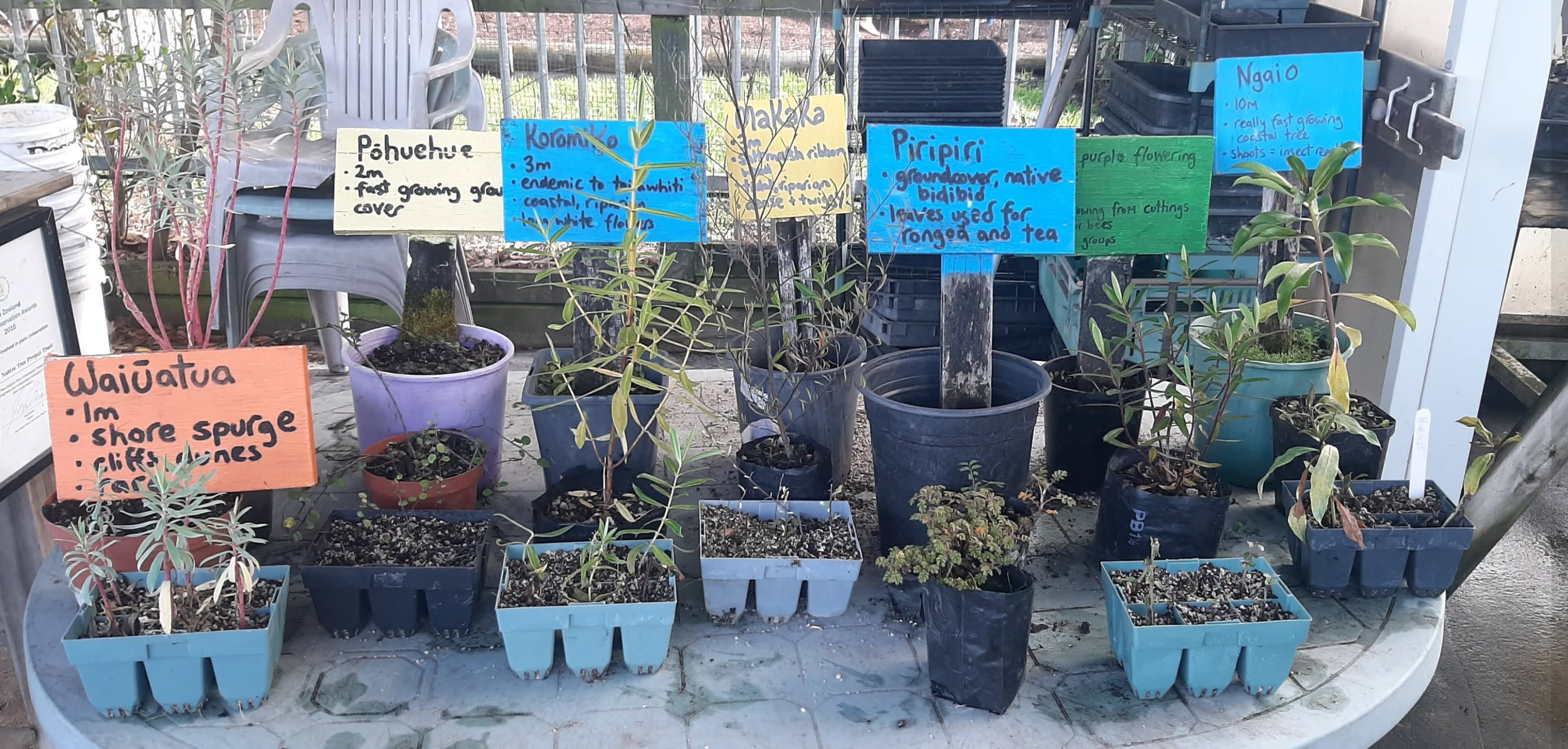
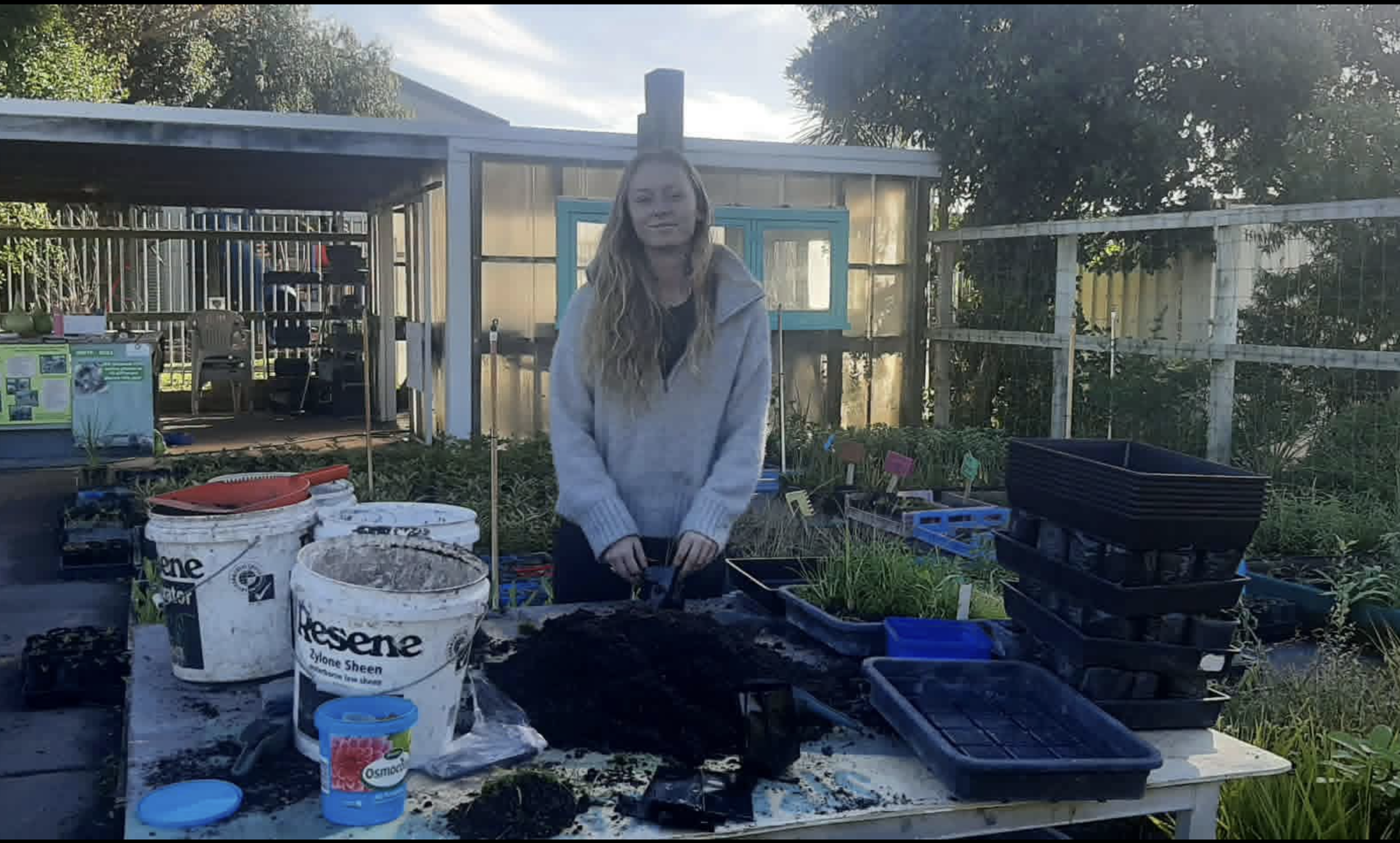
The Women’s Native Tree Project Trust (WNTPT) was formed in 1990 with a kaupapa to plant a tree for every woman who lived in Tairāwhiti at that time, 22,000 trees. Once we achieved that, our kaupapa shifted to restoring the cloak of forest back on Papatūānuku through gifting native plants to our local community. We grow and plant native trees and advise the local community, advocating for more native trees on private and community whenua. Plants are gifted to local schools, kohanga reo, local community support groups, marae, as well as urban community spaces. We host many school and community groups at our nursery to teach how to grow native trees, e.g. seed collecting, sowing and processing seeds, growing trees from cuttings, potting up, weeding etc. Our small native nursery at EIT Rural Studies Unit, 320 Stout Street, is able to generate about 7,000 native plants annually, through the work of a part time nursery manager (and community connector and educator), one or two interns, and the voluntary efforts of trustees and supporters. We are a locally led kaupapa that strengthens te taiao. Our short/medium term goals are to offer support and advice to landowners and community groups about planting, maintenance and setting up their own native nursery.
Supporters / Sponsors
The Women’s Native Tree Project Trust has been financially supported in its kaupapa by the Community Organisations Grants Scheme (COGS), Sunrise Foundation, Trust Tairāwhiti, Eastern & Central Community Trust (ECCT), and the J & T Hickey Charitable Trust. In kind contributions have come from Eastern Institute of Technology (EIT) Rural Studies Unit, in providing the nursery space free of charge, Gisborne District Council (GDC) through the ongoing commitment to purchase potting mix, and Stihl Shop Gisborne through the donation of a battery-powered line trimmer in 2014. The Trust has also received many small donations from community groups and businesses.
News / Media
Women’s Native Tree Project Trust online
Historical Milestones and Events
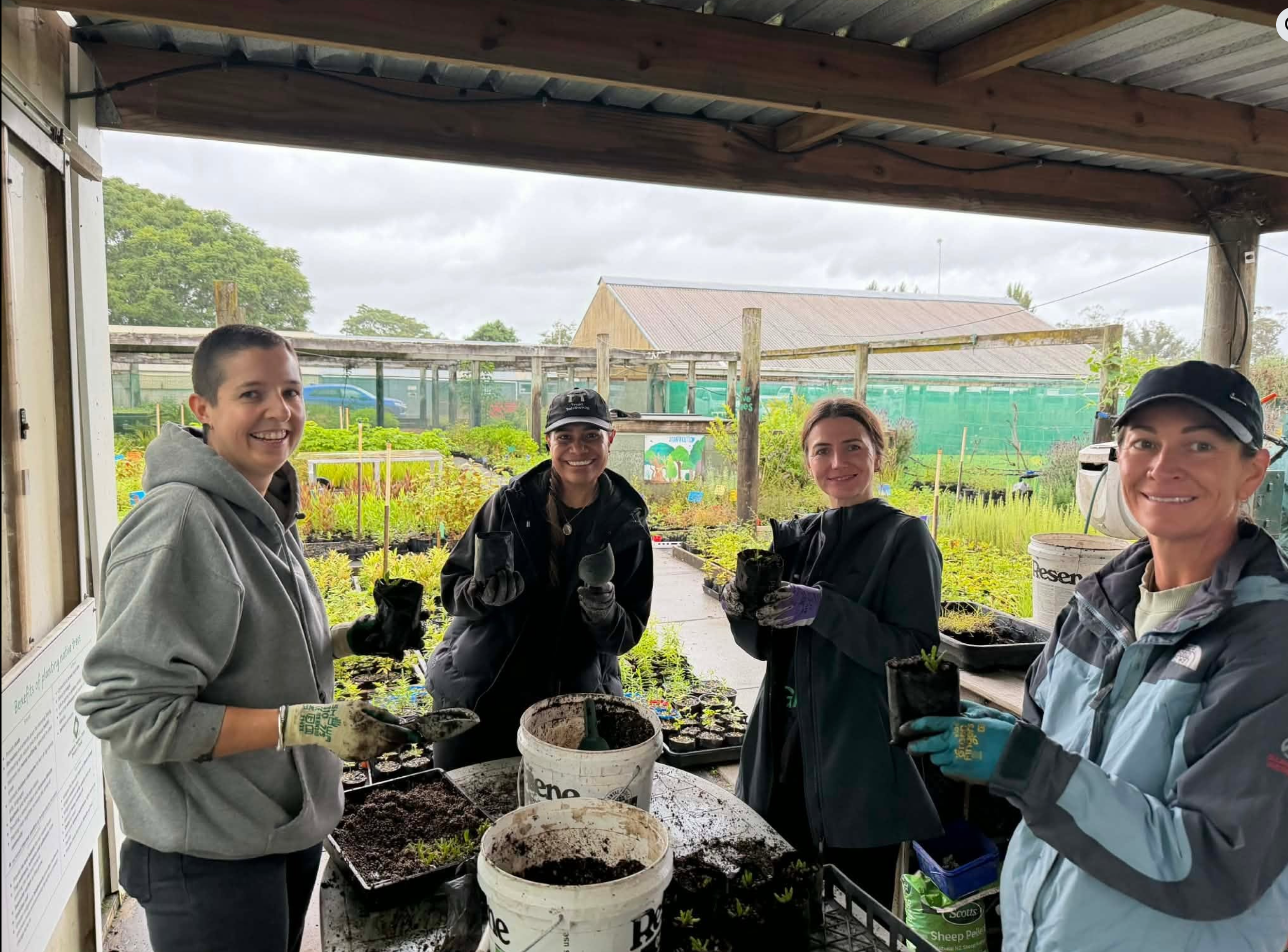
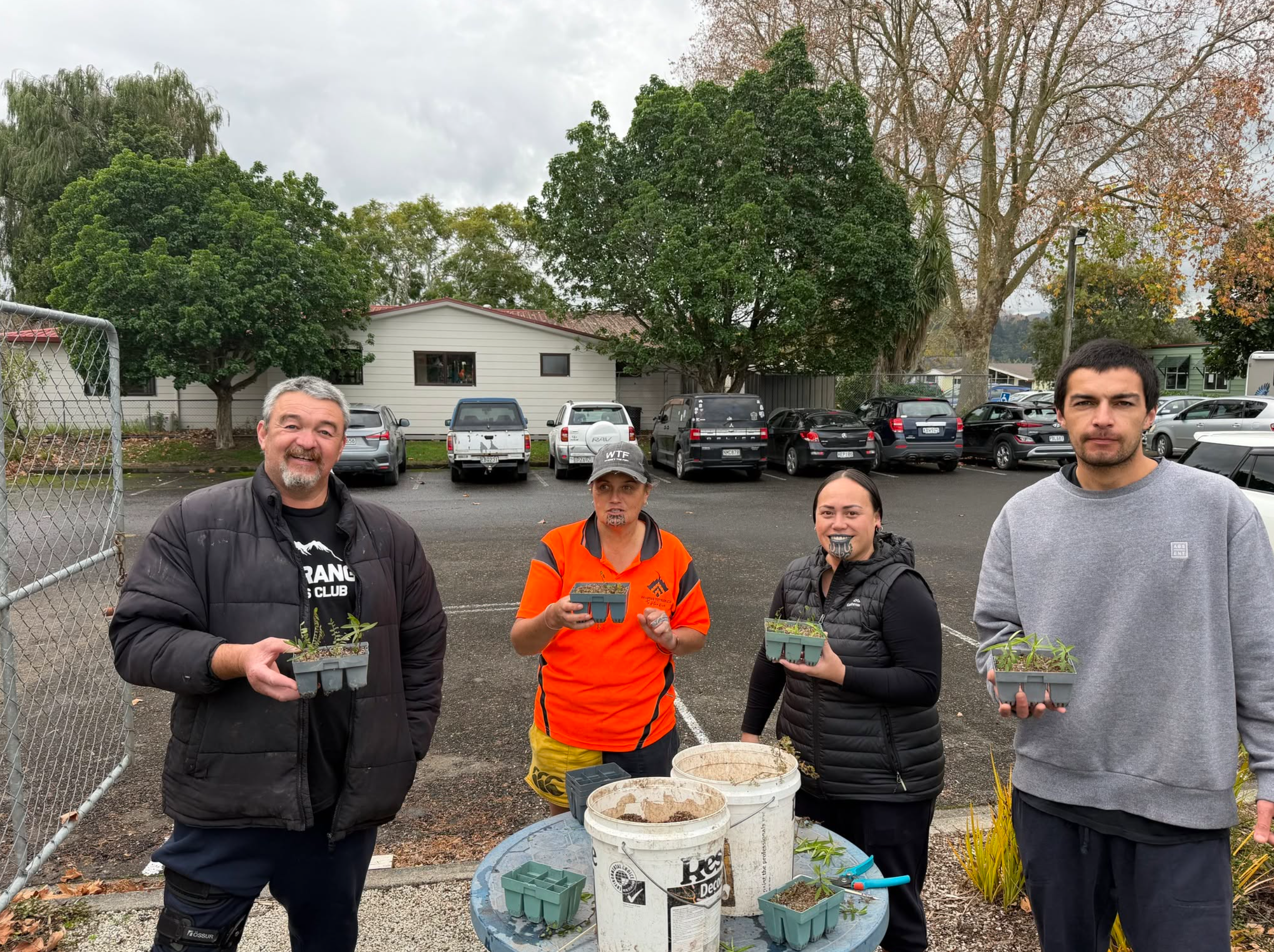
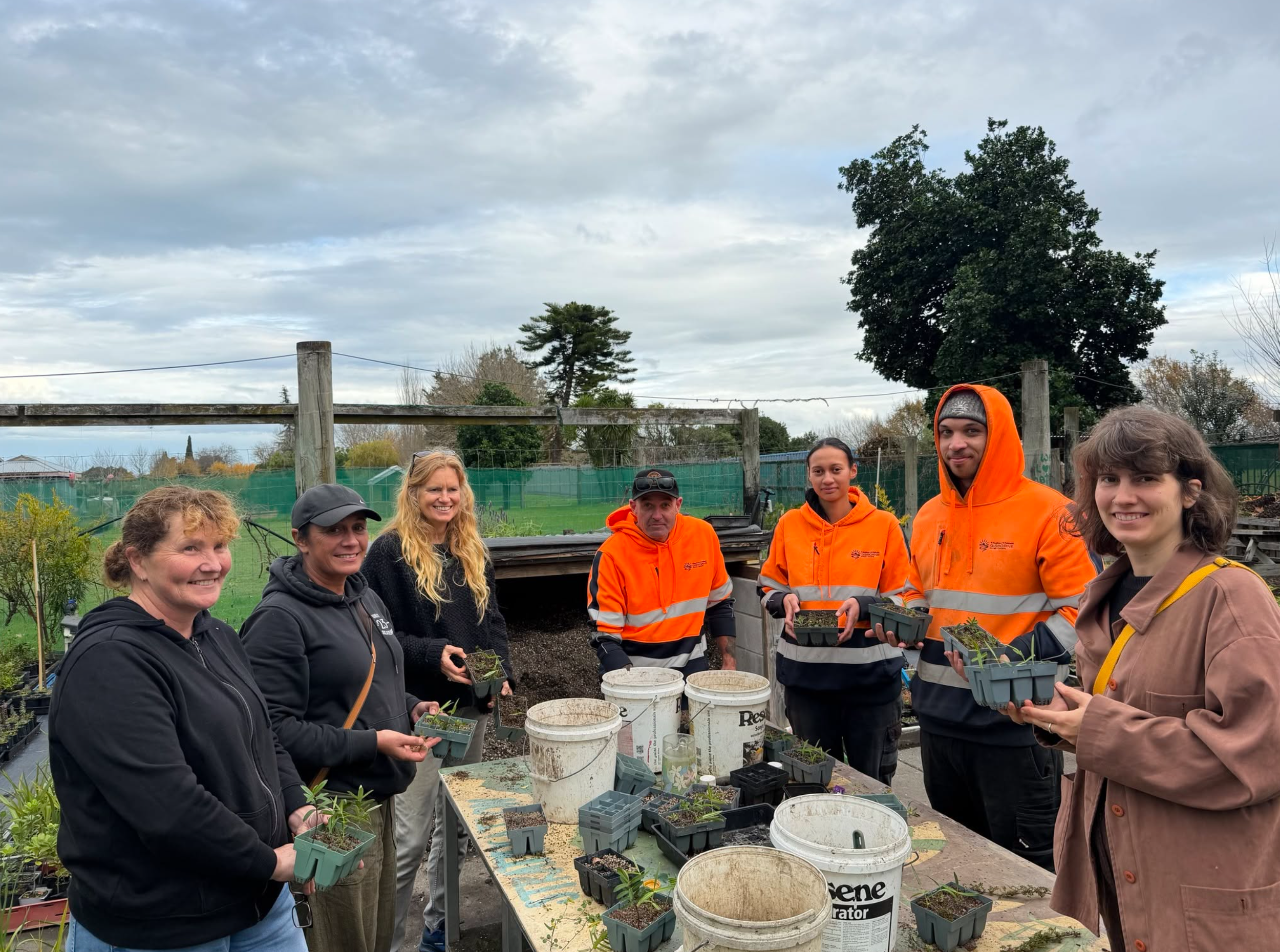
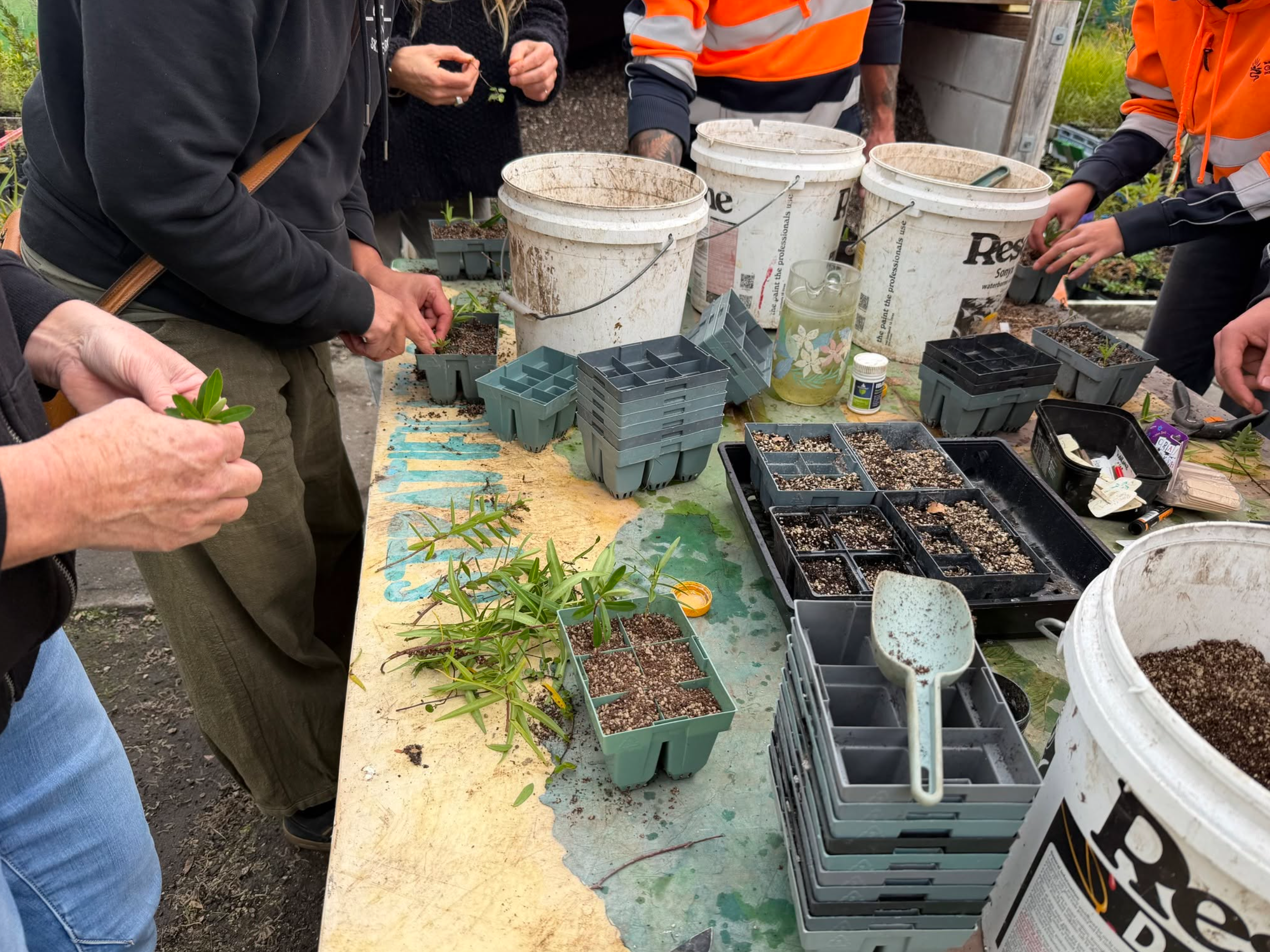
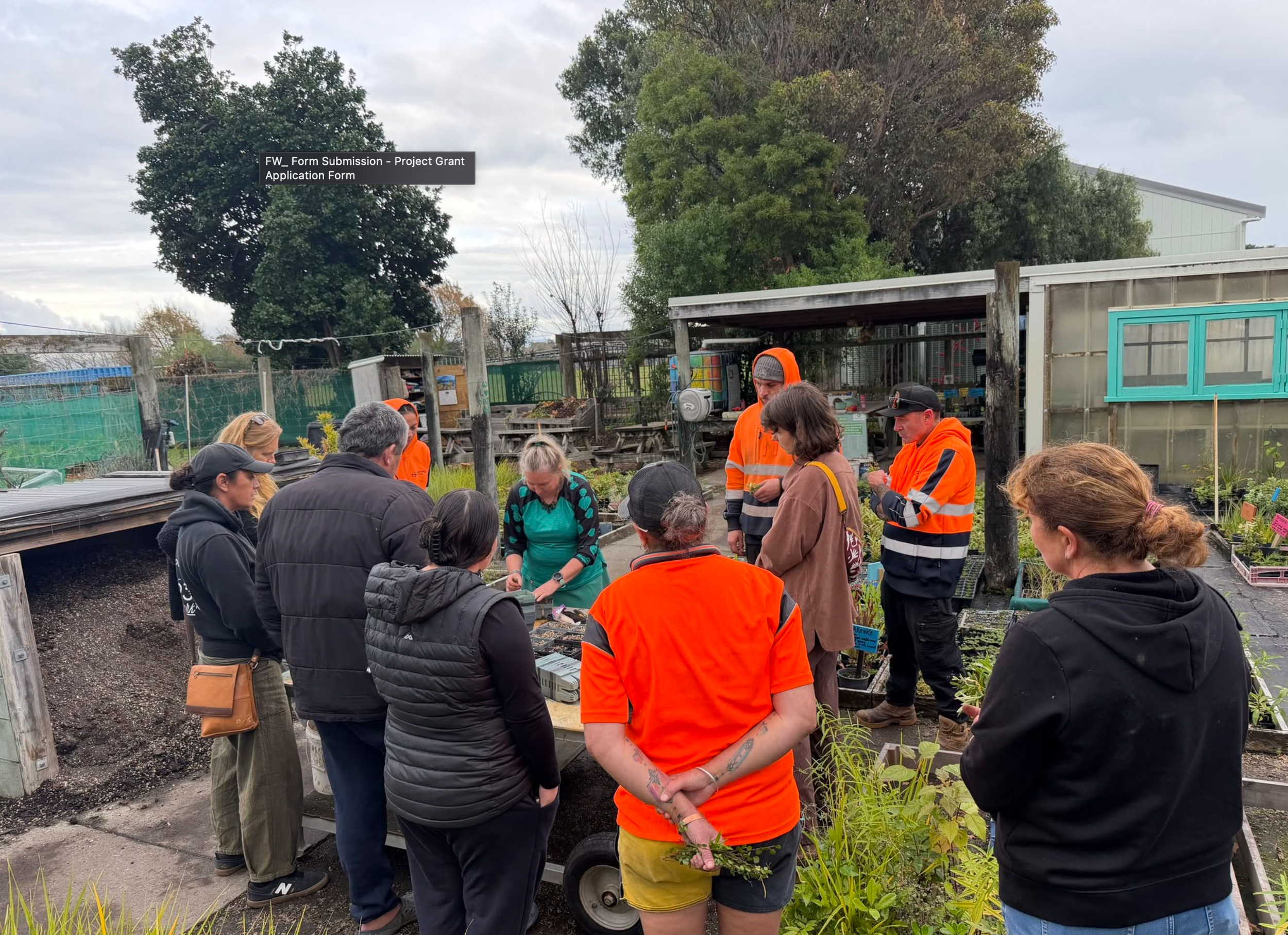
Twice a term, Makaraka school visits the WNTPT nursery to learn how to grow native trees. Principal Hayden Swann organises a class visit to Whangara farms to start the year seed collecting. It’s always a wild adventure going into bush with no tracks with 30 tamariki! In 2026 we collected Pūriri, Kahikatea, Nikau, Toetoe upoko tangata, Rautahi and Kawakawa Those seeds are then sown, potted up and weeded by that class. Once the trees are big enough they get donated back to Whangara marae or other local spaces. We had an awesome turnout for our Growing Native Trees workshop to kick off the Whenua Futures Summit in March. We collected seed from the wharangi, kōwhai and pūriri trees at EIT and processed some pōkākā seed from Ngatapa. Great to have the amazing Whaia Titirangi team along sharing their knowledge as we potted up some tītoki and toetoe upoko tangata.


Leading from the Land -
Project Grant
Project Outline
Funding for a trial of growing suitable plants in root trainers and different potting mixes. The need for this project is to grow high quality native trees and also to maximise plant production in a fairly small nursery space.
The kaupapa of the Women’s Native Tree Project ( WNTP) has been gifting plants which does not provide income generation and the trustees have set a challenge to become more financially secure by generating part of the income.
The trustees are keen to maintain the number of plants available for gifting to community groups, which means trying to increase plant production.
The grant funds will run the root trainer and potting mix plant propagation trial and to evaluate the trial. The goal would be to learn whether this growing method will produce a higher number of strong, healthy plants to contribute towards the kaupapa of recloaking Papatūānuku, and to assist the WNTP Trust to become partially self-funding.
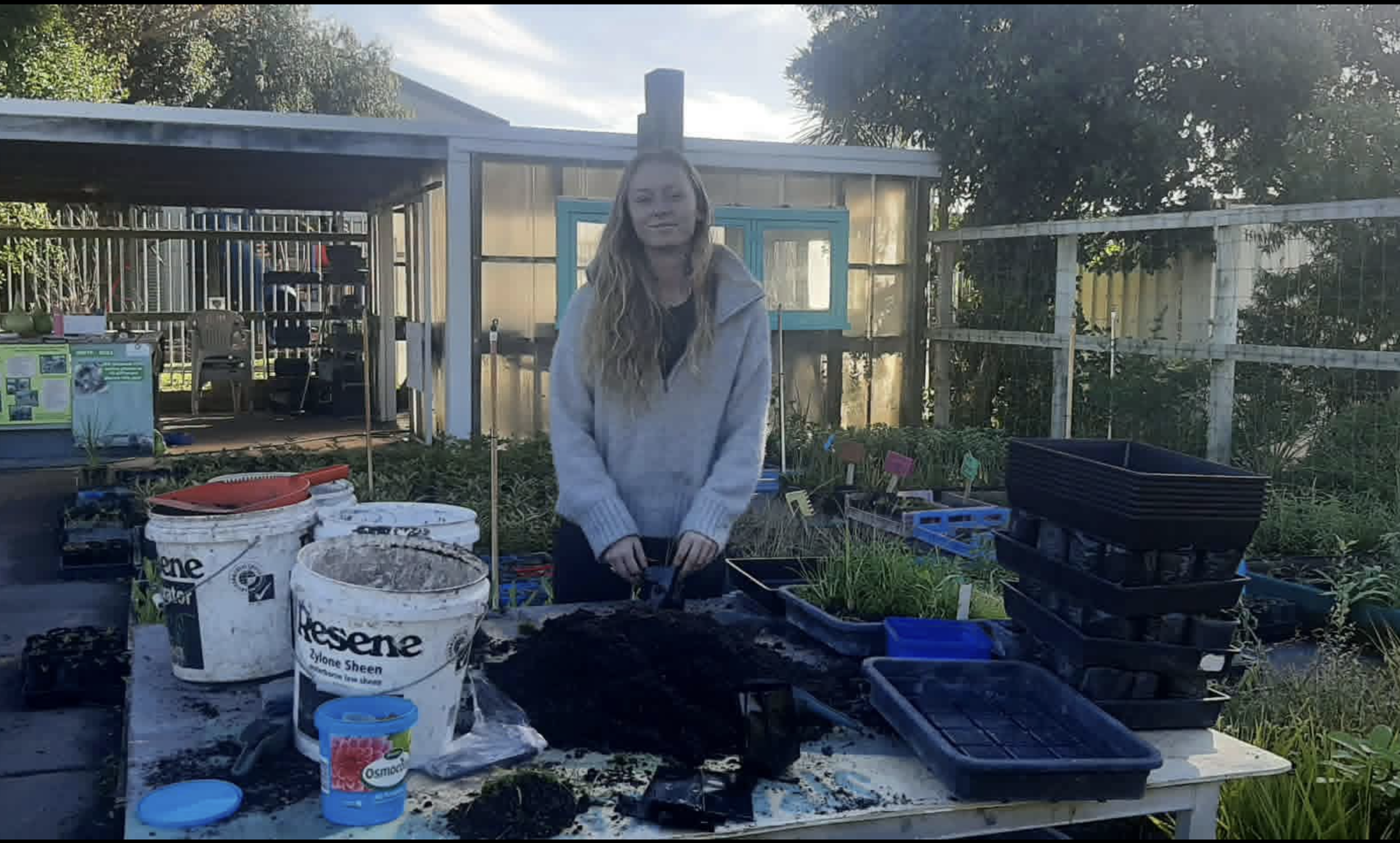
This trial includes a comparison of potting mix - sourcing this from different suppliers, and also enhancing potting mix by adding slow release fertiliser and sheep pellets, to create a more ideal growing medium which is free draining and fertile.
The trial will learn whether WNTP can grow a similar or better quality plant using less space within the irrigated nursery area. The proposed trial would include a comparison of potting mix - sourcing this from different suppliers, and also enhancing potting mix by adding slow release fertiliser and sheep pellets, to create a more ideal growing medium which is free draining and fertile.
Project Updates
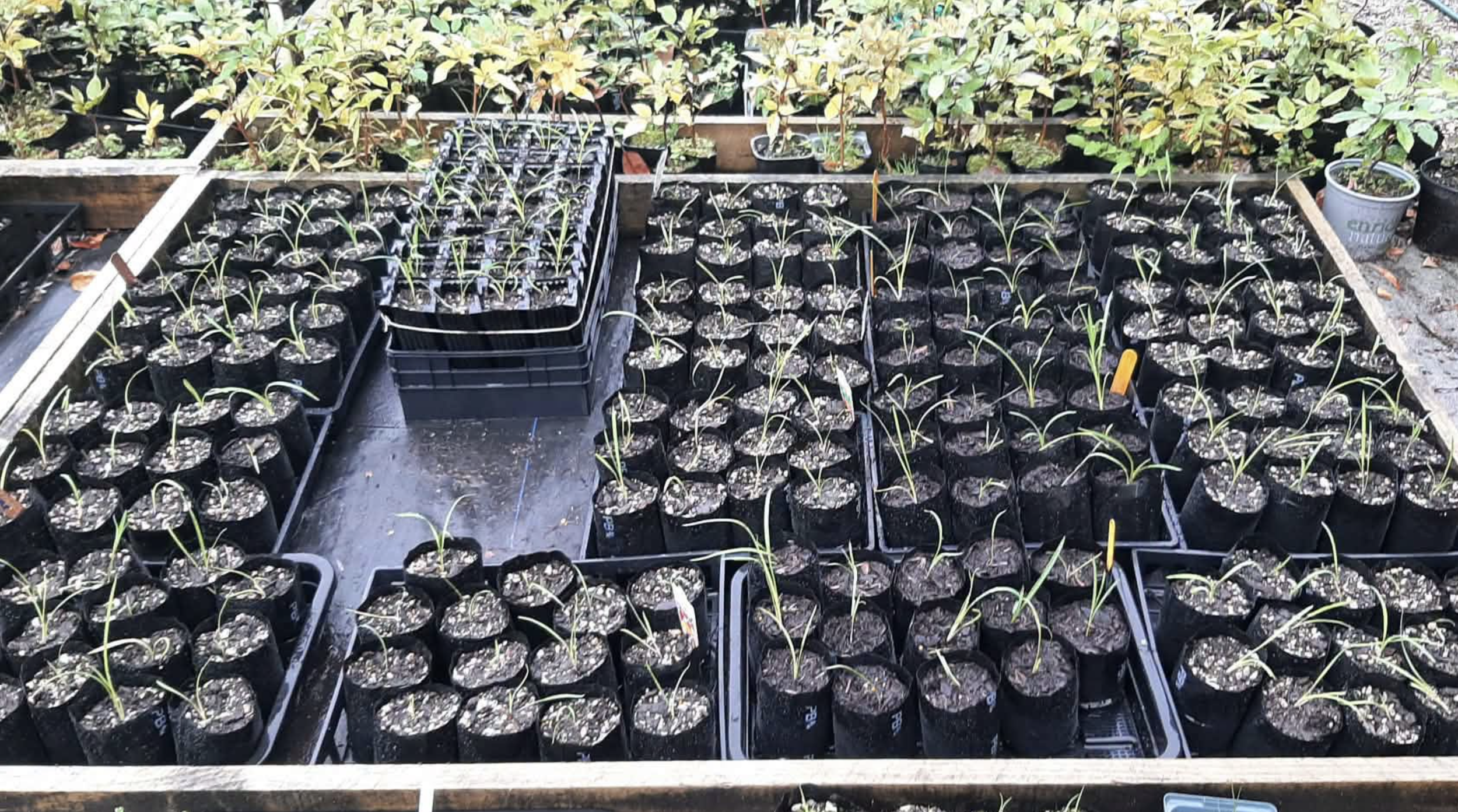
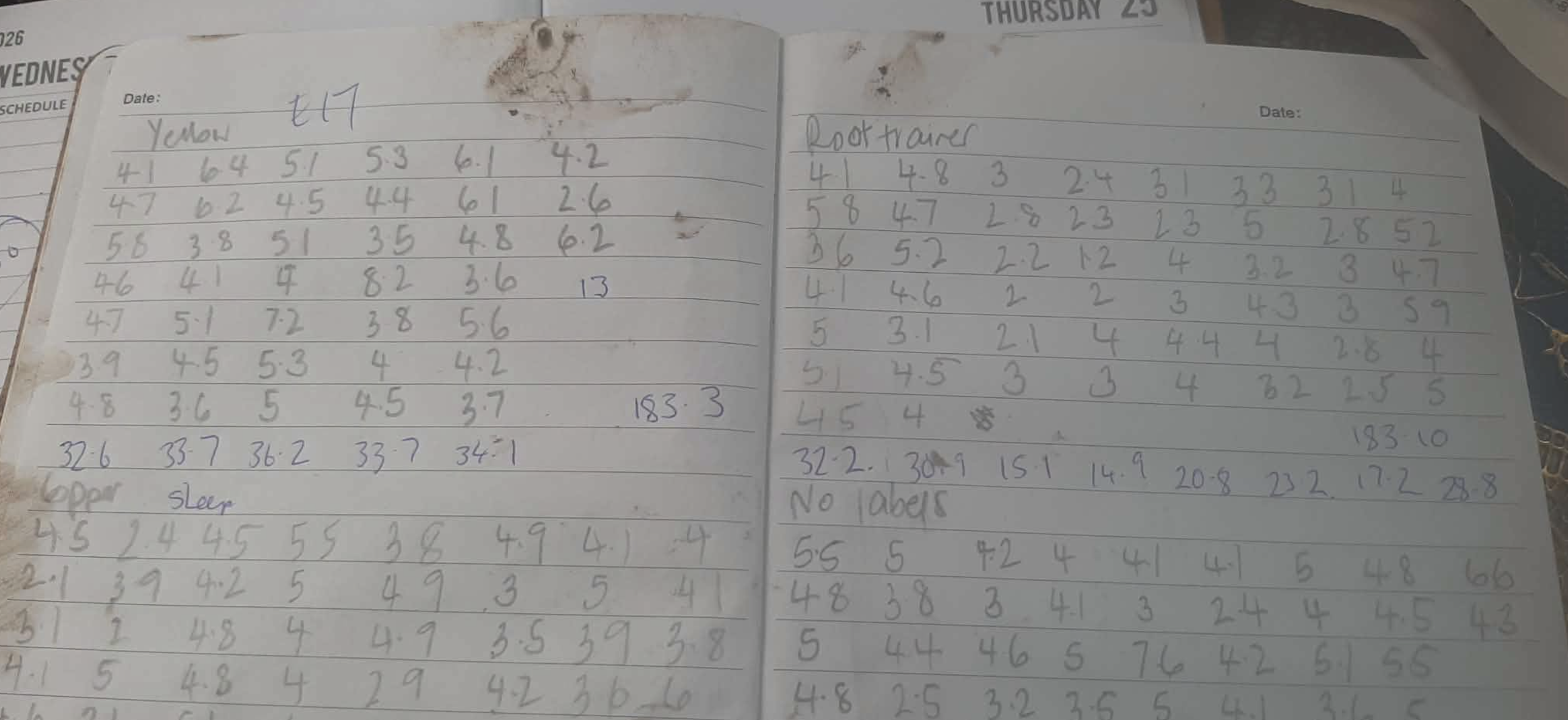
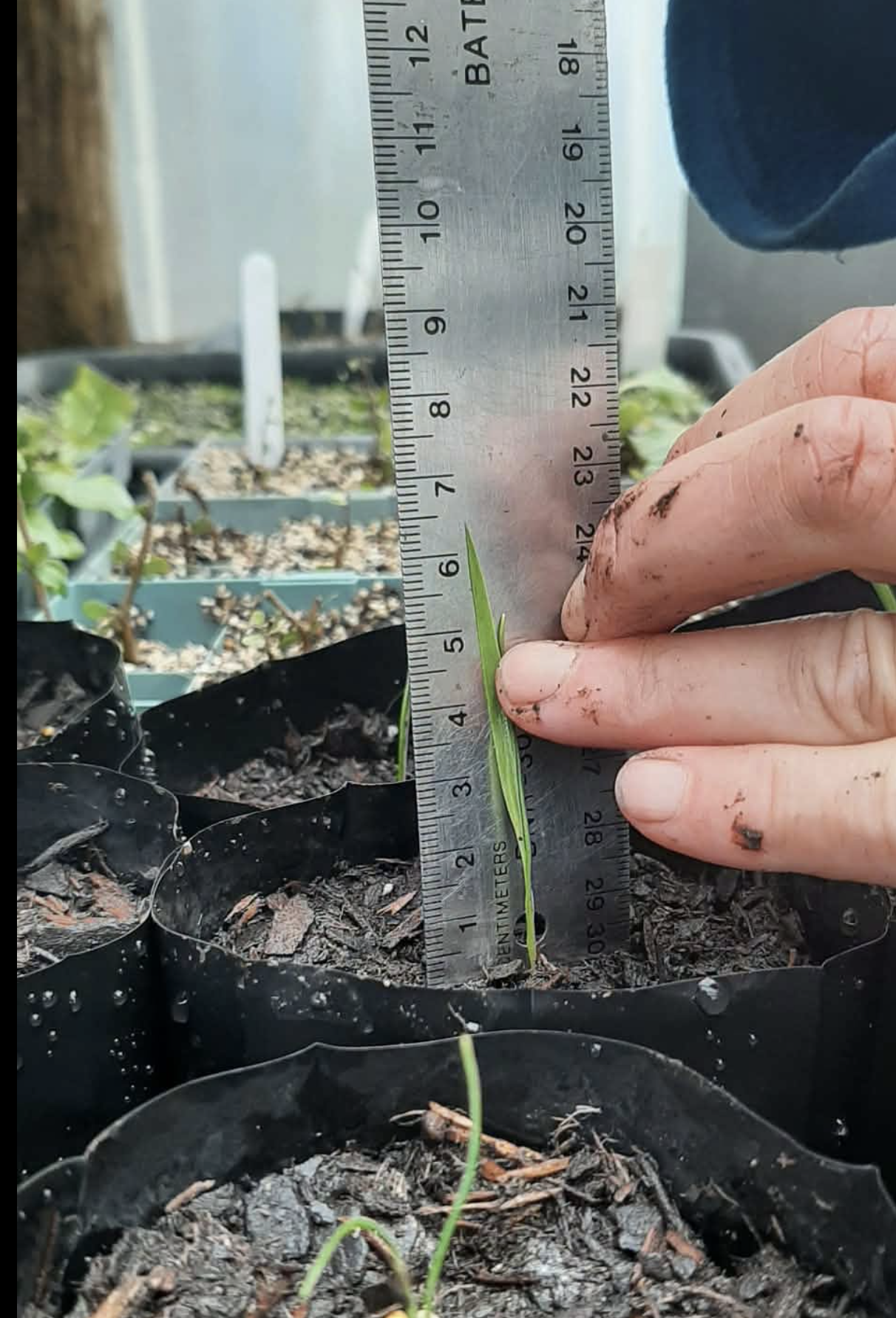
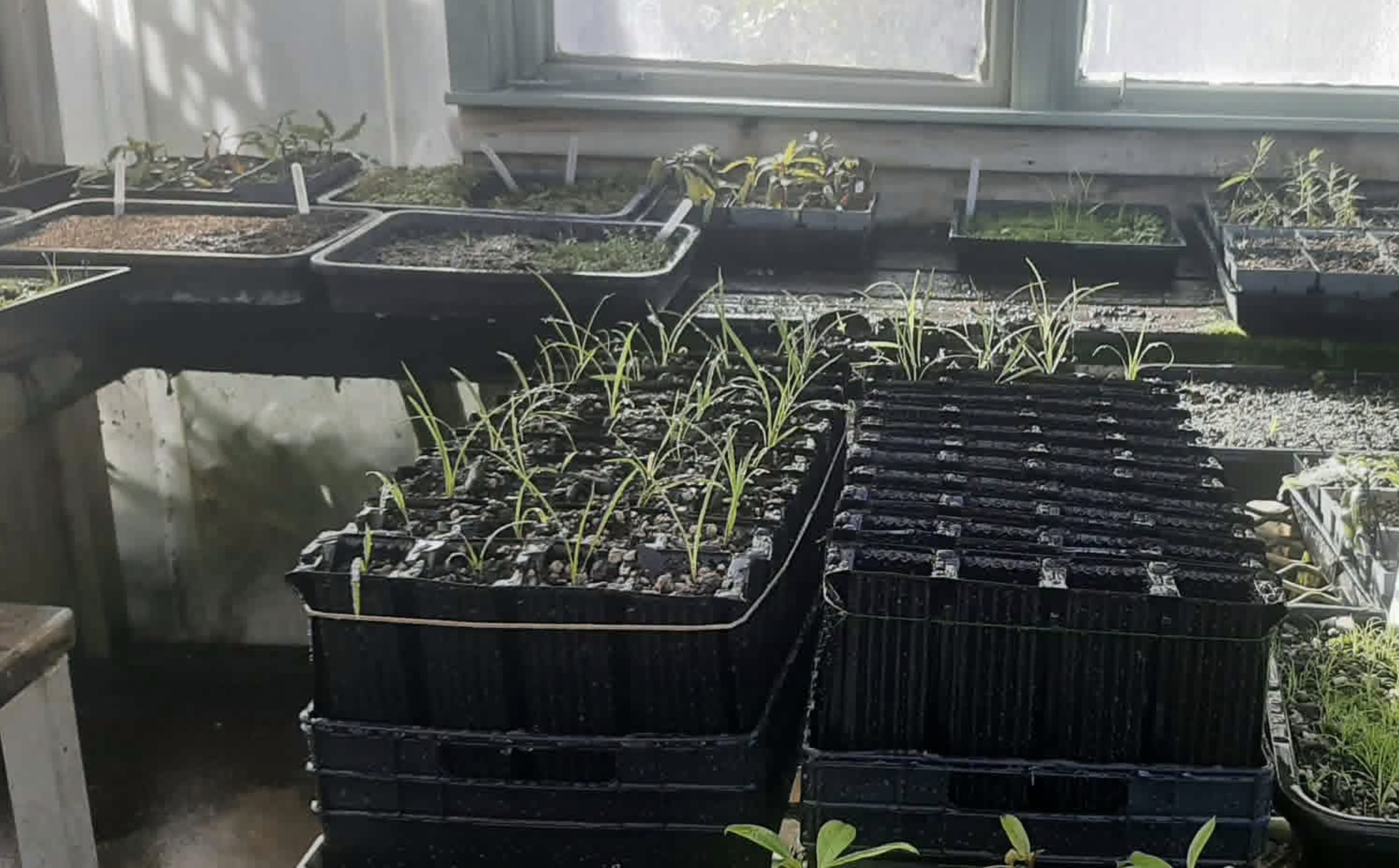
The project has made good progress toward its intended outcomes, with the funding enabling the Women’s Native Tree Project Trust to establish and monitor a trial of different potting mixes and root-trainer systems. The project has involved approximately 500–600 native seedlings, with initial measurements completed and ongoing monitoring planned at 8 / 12 / 16 / 20 / 24 weeks from moving outside.
A key strength has been the collaborative nature of the project, including the involvement of Jacopo Orazi, who contributed mycorrhizal fungi, biochar and other inputs to extend the trial. The project has also generated interest among nursery visitors and provided useful practical learning around the cost, space requirements, handling and effectiveness of different growing methods.
The trial has identified some clear challenges with root trainers, including their cost, instability, difficulty filling and transporting, and the additional time required to use them. The group has also developed useful comparisons between different potting mixes, including cost per 100 litres and practical advantages and disadvantages of using each.
Trial includes comparison for Harakeke Ti kōuka using the following:
Judds Potting Mix
Judds and Slow Release Zealand Mix
Judds Potting Mix with Sheep Poo
EIT Blend
Root Trainer
Mycorrhizal Fungi biochar mix
“Our community are interested in this trial, we have had lots of comments from nursery visitors about what we are doing. We love that it inspired Jacopo to contribute to the trial too. The WNTPT is very happy to be able to do this research.” Kauri Forno - Women’s Native Tree Project Trust



Fostering the collective well-being of Tairāwhiti Catchments
