

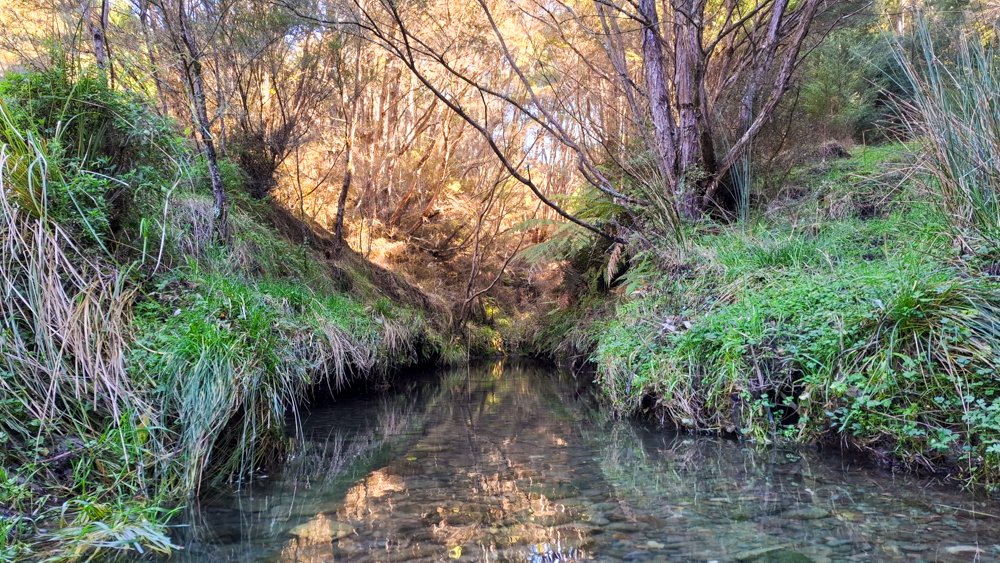
Wheao Catchment Group

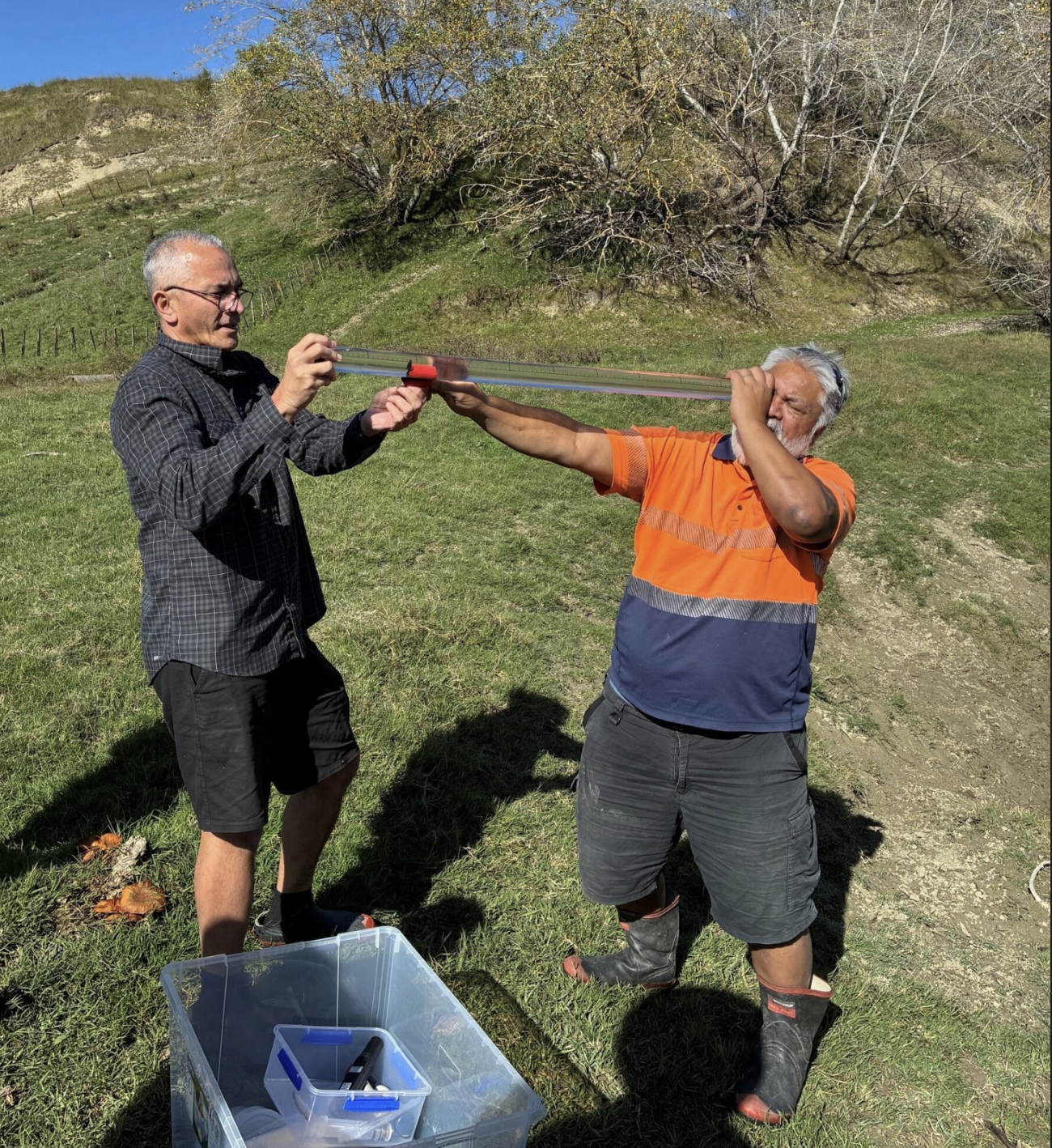
Project Outline
Wheao Catchment Group korero
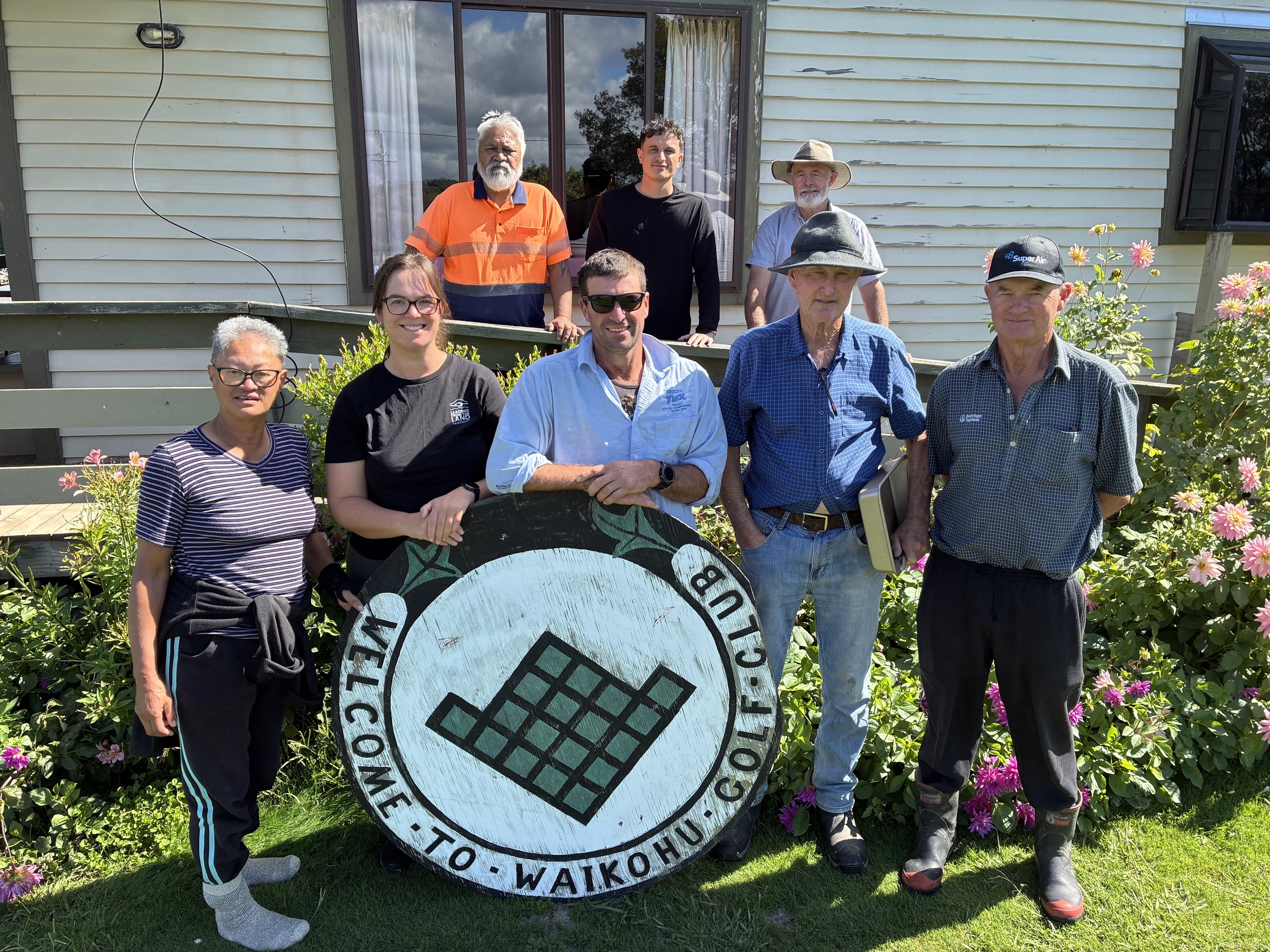
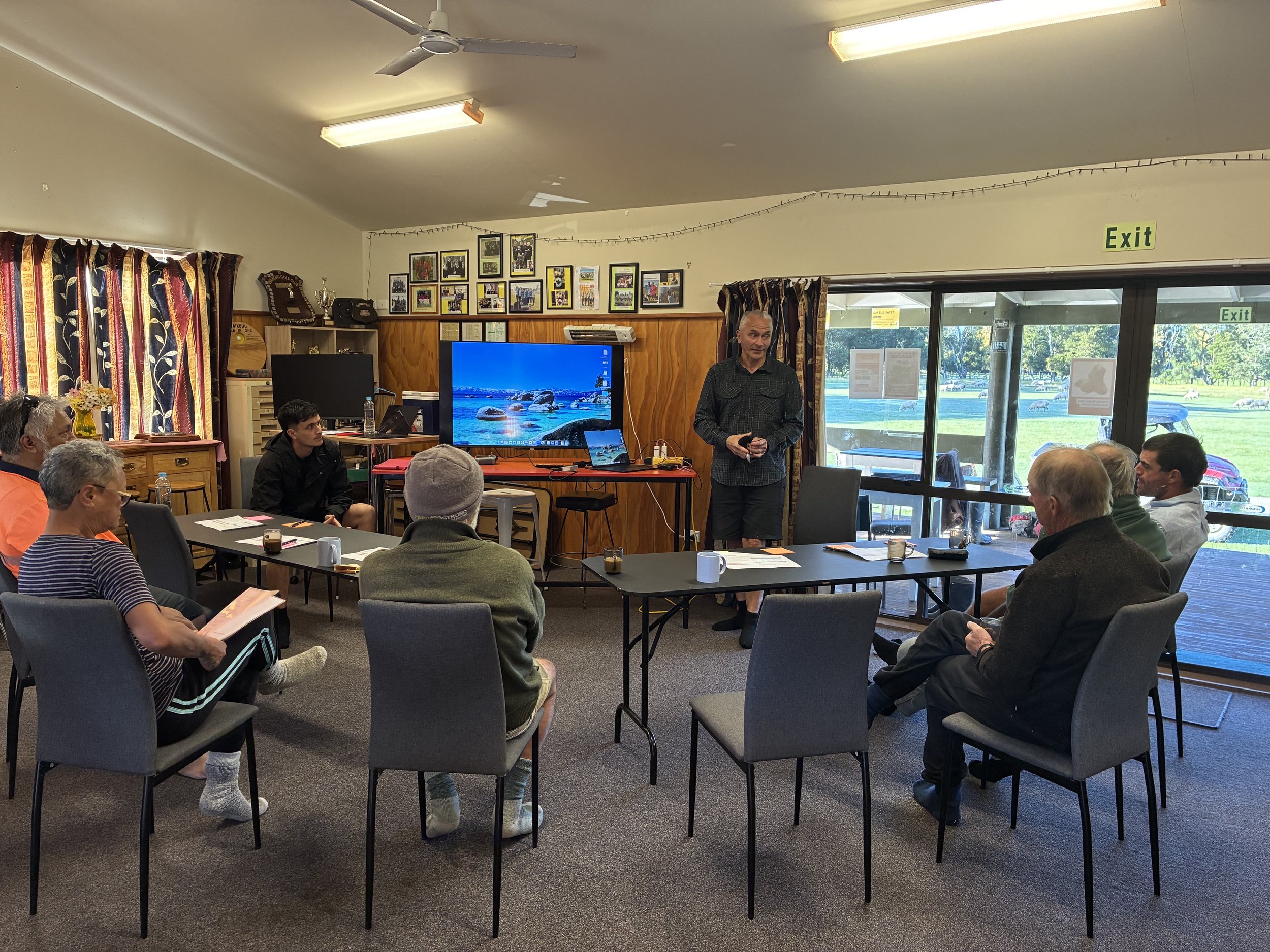
The Wheao Stream Catchment Group is a newly formed catchment group based around Otoko and Whatatutu. It’s made up of 10 members, representing 10 properties including residential, arable, sheep and beef, forestry, horticulture (kiwi), lifestyle, Māori-owned land and conservation land.
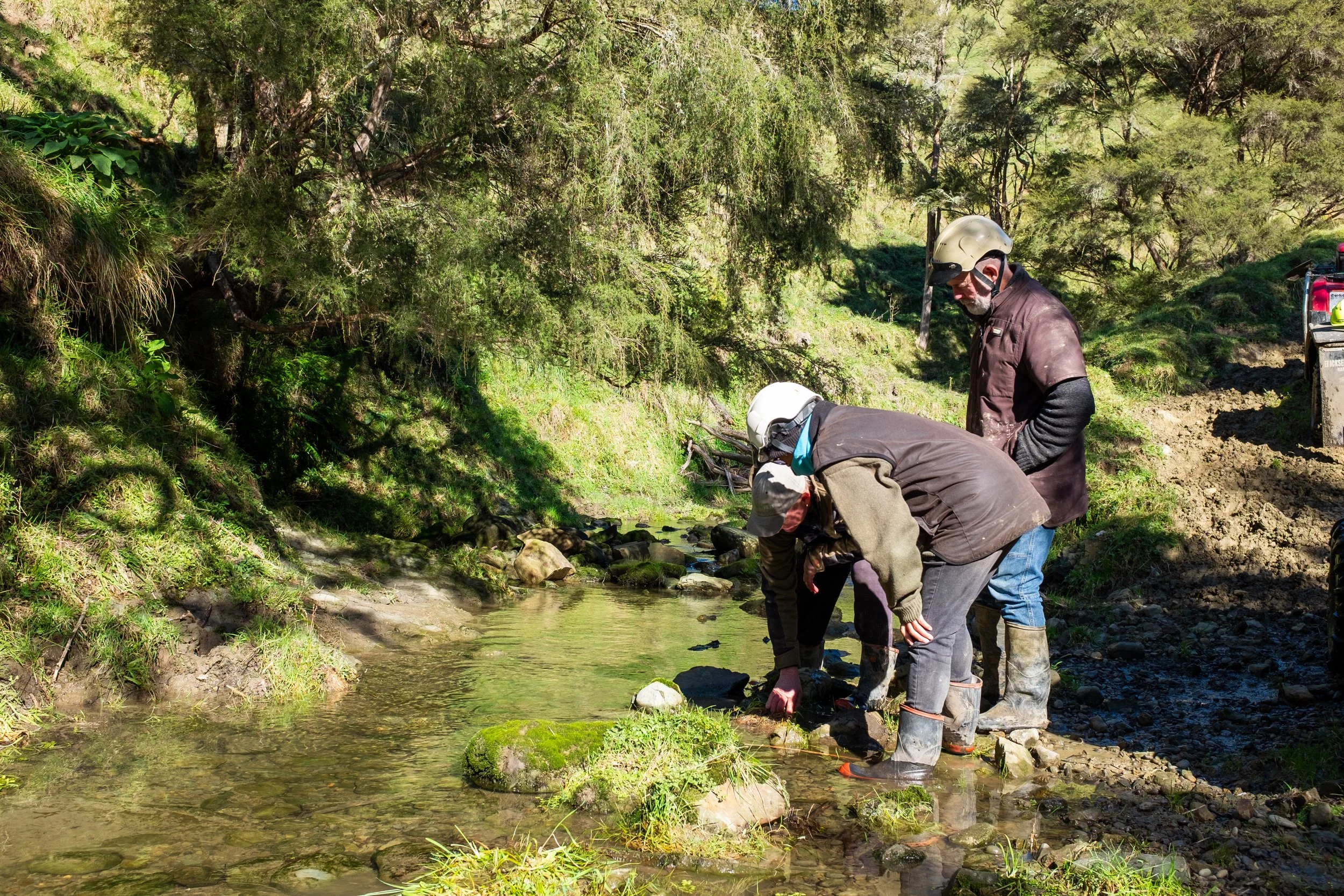
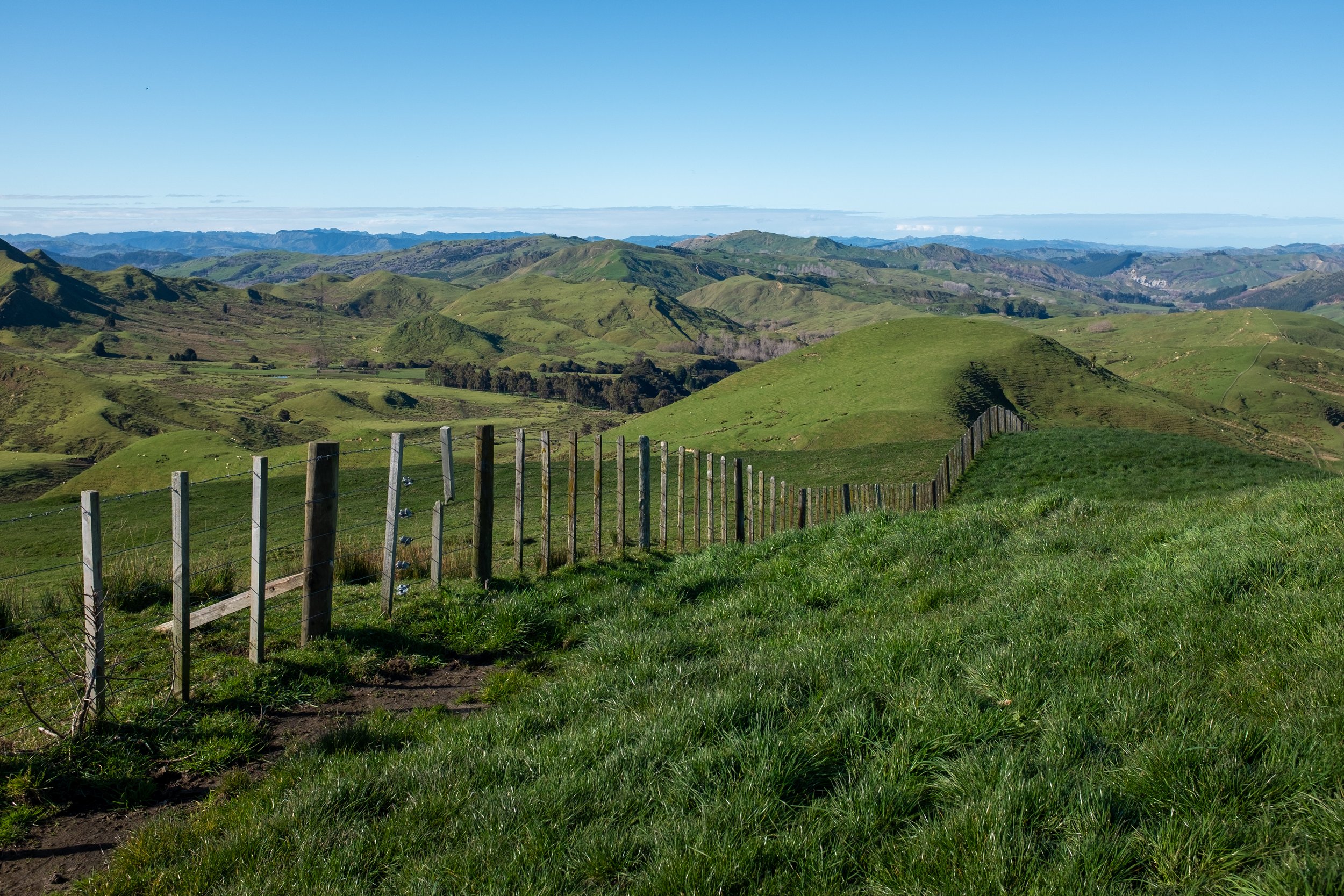
The group’s area of interest is approximately 4511 hectares (ha), focussing on the Wheao Stream and its tributaries – Omanuporoaki Stream and Otuhira Stream (see table below).
They want to build knowledge and capability around the catchment they live in and as kaitiaki, guide future restoration efforts. Te Wheao are inspired to wrap their learning in mātauranga Māori, te kōrero tuku iho (history ) and waiata that reference Te Wheao, to uplift its mauri.
Historical Milestones and Events
Group Established 2026
Leading from the Land -
Project Grant
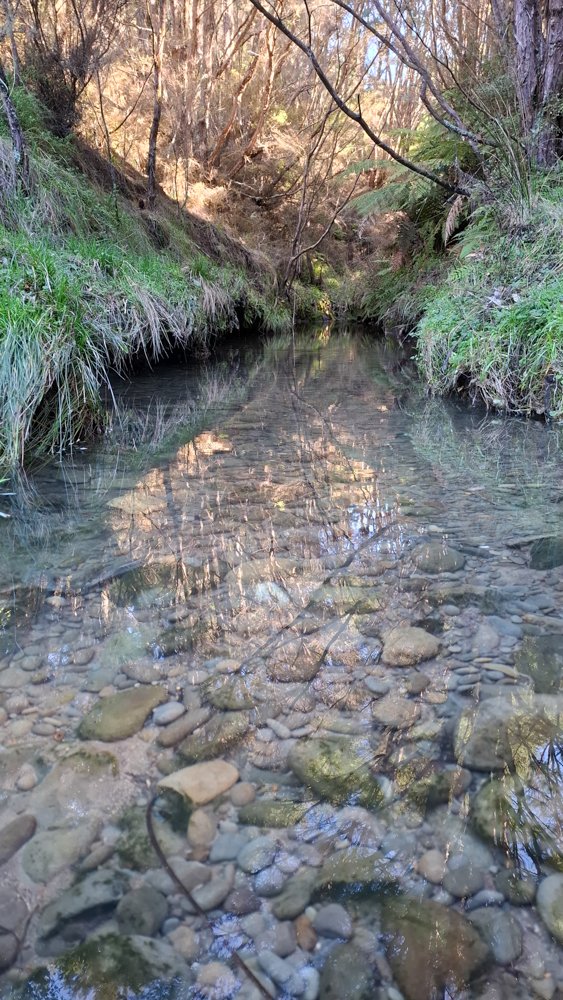
Funding to restore, enhance and protect biodiversity within the Te Wheao Stream.
Using the Mauri Compass App, our initial objective will be to collect and collate data/information on the current environmental health of the Wheao stream. This information will inform our catchment plan that focuses on freshwater and land uses at a catchment scale and ensure priority is given in a timely manner.
Historical data informs us that fresh water mussels (kakahi) once thrived in this stream, there would be a focused report on the state (if any) of fresh water mussel as well as other species identified.
The Mauri compass is a tool that can provide our catchment with live views and in-depth photos of significant features with drone technology that will assist us in identifying and monitoring problem areas within the streams pathway.
Project Collaborators
Mangatu Marae/ Tapuihikitia Marae - Custodians of local waterways, impacts for kai gathering for whanau, resource of volunteers.
Te Kura Kaupapa Maori O Whatatutu/ Te Karaka Area School - Exposing Tamariki to gain intimate, localized knowledge of the environment - naming key features like rivers, streams, and knowing the history (kōrero tuku iho) associated with them.
Local farmers - Building understanding around farm management practices and the effects on the Wheao stream.
Project Learning Aims
Current condition of the Wheao Stream
Trends over time
Sources and Drivers of Environmental issues
Where pollution or sediment is likely coming from
How rainfall, stock access, storm water or upstream activites affect the site.
Which stressors matter most (nutrients, sediments, pathogens, flow)
Information to guide decisions
Where to focus future restoration or investment
What management changes are needed
Evidence to support funding, policy or community action
Project Timeline
Start Date: Febuary 2026 Project End Date: March 2027


Fostering the collective well-being of Tairāwhiti Catchments
