

Tikapa Organics

Leading from the Land -
Project Grant
Project Outline
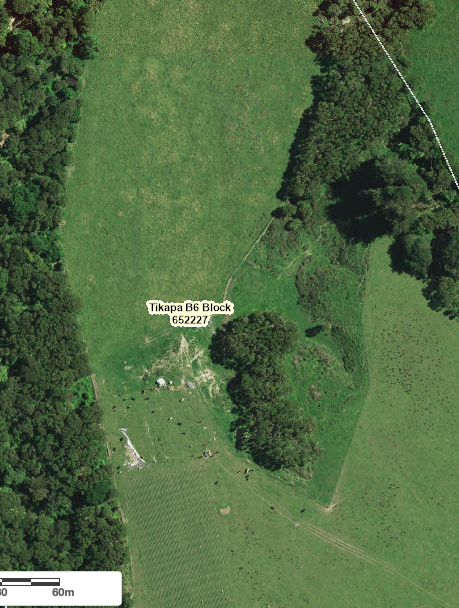
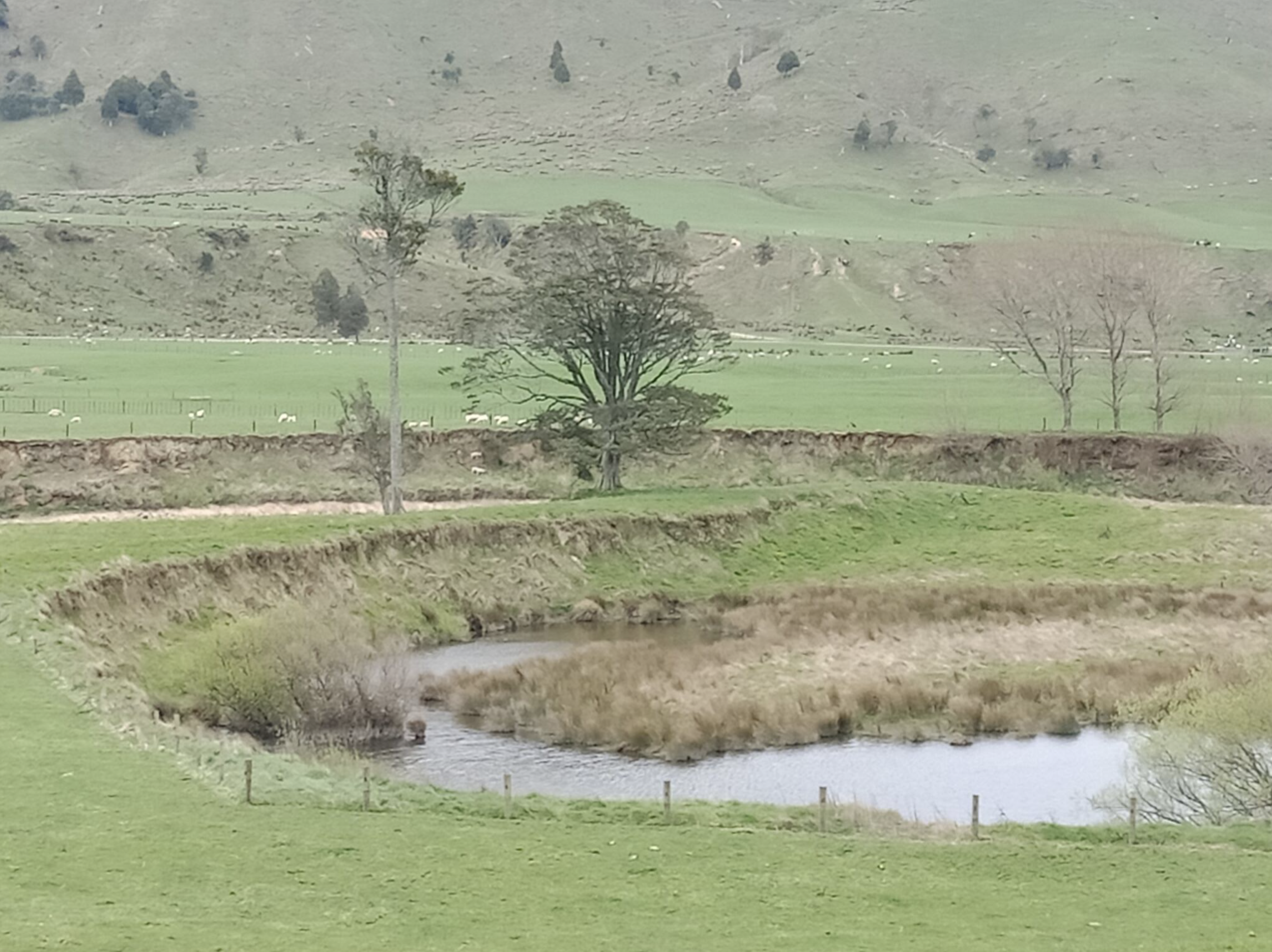
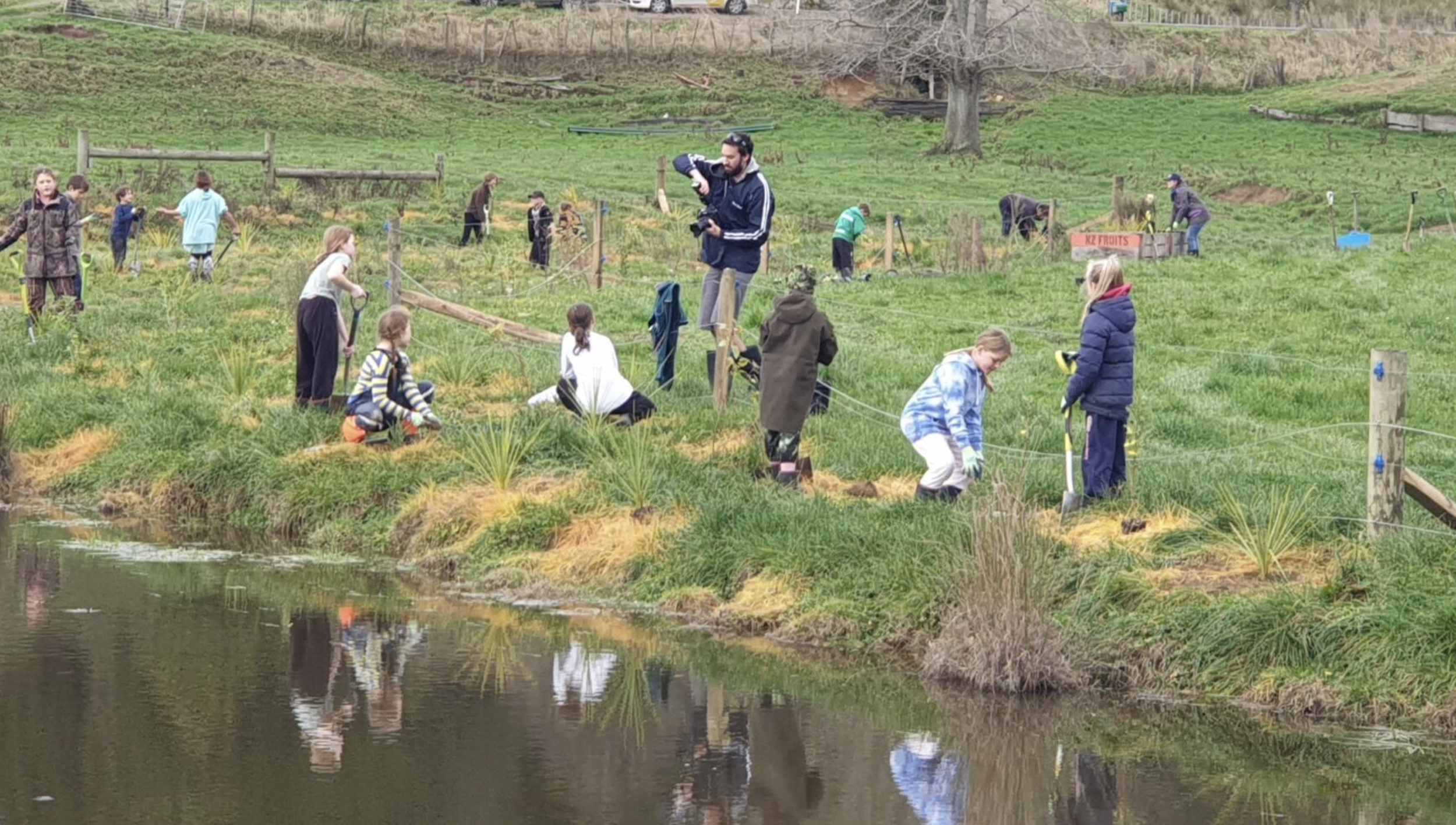
This project will restore an historic wetland on the Tikapa B6 whenua through a community‑-led, whānau‑-driven restoration effort that supports learning, collaboration, and practical environmental action. The wetland, now a bog, is fully fenced, creating an ideal foundation for a pilot restoration project that trials improved methods for clearing invasive blackberry and gorse and re - establishing native wetland vegetation.
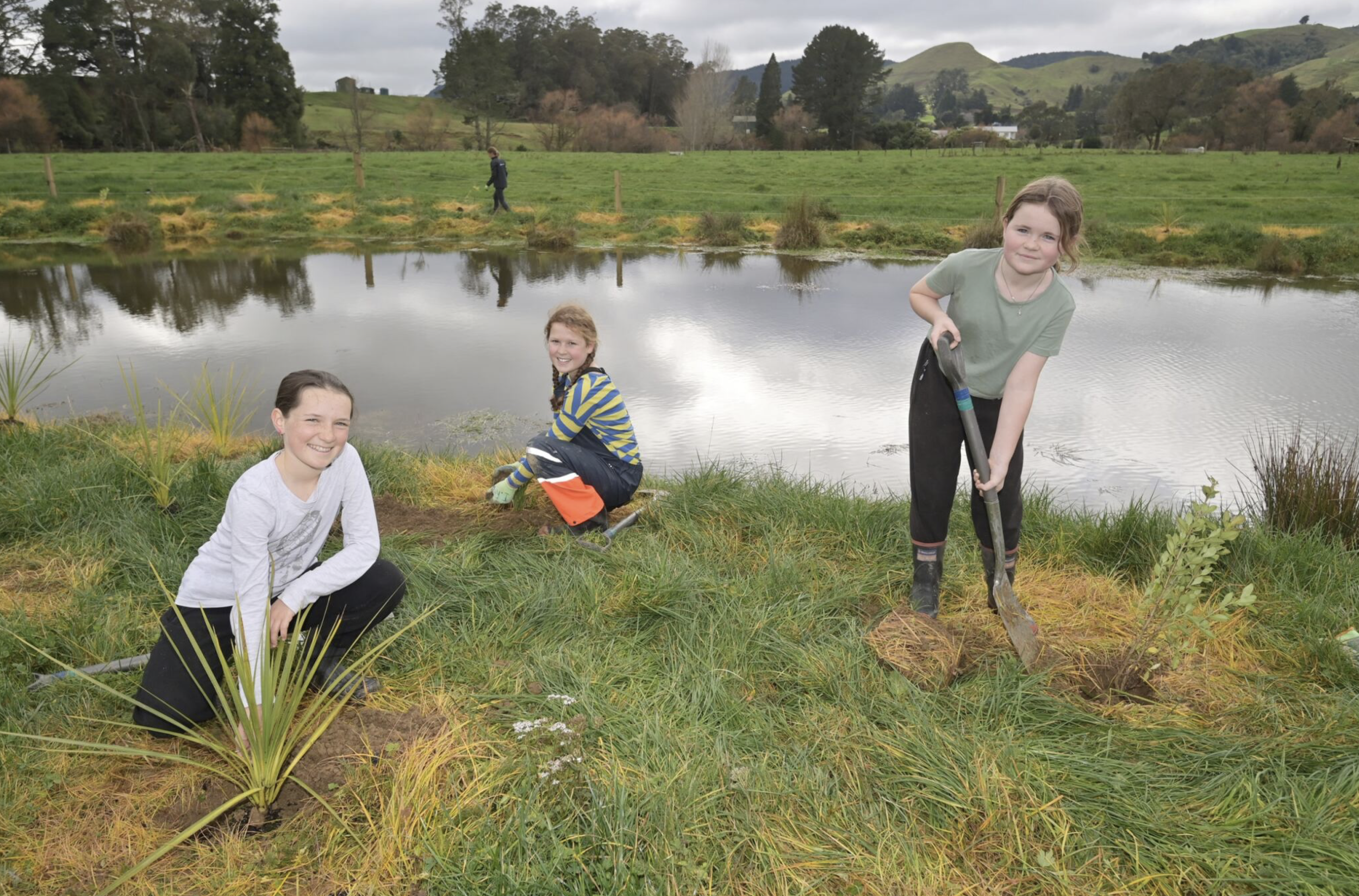
Key activities include scraping and removing invasive weeds, preparing and stabilising the soil, and planting appropriate native wetland species grown through the whānau nursery. Throughout the project, hands - on workshops and wānanga will be offered to whānau, neighbours, and community members, providing opportunities to upskill in wetland restoration, weed management, water protection, and native plant propagation.
The project will strengthen collaboration between whānau, local practitioners, and community groups by sharing practical techniques, trial results, and monitoring outcomes. Milestones include weed removal, replanting, establishing simple water quality and soil stability monitoring, and hosting a community field day to share learnings.
By restoring this wetland, the community will build stronger capability to respond to environmental challenges while demonstrating a scalable, culturally grounded approach to wetland recovery.
Learning Goals
• How native wetland species respond in a previously grazed, weed - dominated environment including understanding which species establish best after scraping blackberry and gorse, and which planting combinations most effectively support wetland function.
• How wetland restoration improves water quality and soil stability. How quickly water clarity, sediment reduction, and hydrological balance improve as native vegetation is restored around the bog.
• Effective, community - led methods for restoring small wetlands on whānau and hapū land. This project provides an opportunity to test practical, affordable restoration methods that other whānau and communities can replicate.
• The role of wānanga and hands - on learning in building local capability. How workshops and community involvement contribute to long - term guardianship and stewardship and intergenerational knowledge transfer.
• How collaboration strengthens environmental outcomes. By working with whānau, rangatahi, the Pā o Pōkai, Graeme and Len Atkins, and local practitioners, we hope to learn what models of partnership lead to the most successful restoration outcomes.
• How wetland restoration can guide community responses to environmental challenges
This project will help us learn how small, targeted wetland projects can contribute to climate resilience, erosion control, and healthier freshwater systems.
Project Collaborators
• Tikapa Whānau (Whānau Landowners)
Primary project leaders and kaitiaki of the whenua, including adults and kaumātua who guide decision‑-making and long‑-term aspirations for the wetland restoration.
• Rangatahi from Tikapa and Surrounding Communities
Involved in hands‑-on learning, planting, weed control, monitoring, and wānanga focused on wetland restoration and mātauranga‑-based land care.
• Te Pā o Pōkai
Providing cultural support, participation in wānanga, and strengthening community engagement and collective action around the restoration kaupapa.
• Graeme Atkins (Len’s brother) and Atkins Whānau
Graeme, Len and whanau contribute local ecological expertise, mātauranga, and practical knowledge of restoration methods, supported by wider whānau involvement in planting, nursery supply, and on‑-ground mahi.
• Local Community Members and Neighbours
Participating in workshops, volunteer planting days, and collaborative learning focused on wetland health, water quality, and erosion control.
• Supporting Environmental Practitioners (as needed)
Advising on wetland species selection, weed management, and monitoring approaches to strengthen community capability.
Project Partner Support / In kind Contribution
The total project cost is $59,000, with a $6,000 grant from Leading from the Land covering the one major cost the whānau could not meet independently: contract labour to scrape and remove dense blackberry and gorse surrounding the wetland. This specialist work was a prerequisite for restoration and is essential in supporting successful native vegetation re-establishment, improved water quality, and long-term wetland stability.
The whānau are contributing significant volunteer labour including planting, maintenance, and ongoing monitoring. They are also supplying the native plants for the restoration from their own whānau nursery, reducing project costs and ensuring locally adapted species.
• Graeme and Len Atkins (Expertise and Guidance)
Graeme and Len provide ecological knowledge, species selection advice, and guidance for wetland restoration techniques. Their involvement strengthens both the technical quality of the project and its connection to local mātauranga and whakapapa.
• Wider Atkins Whānau Support
Members of the whānau are contributing equipment, on - ground help, nursery expertise, and local knowledge gained from previous restoration efforts on the property.
• Community and Rangatahi Participants
Local volunteers, rangatahi, and neighbours will contribute labour through planting days, wānanga, and monitoring workshops.
• Te Pā o Pōkai
The Pā provides cultural support and community participation, helping to mobilise collective action around the wetland restoration kaupapa.
Project Start - End Dates
Feb 2026 - August 2026


Fostering the collective well-being of Tairāwhiti Catchments
