

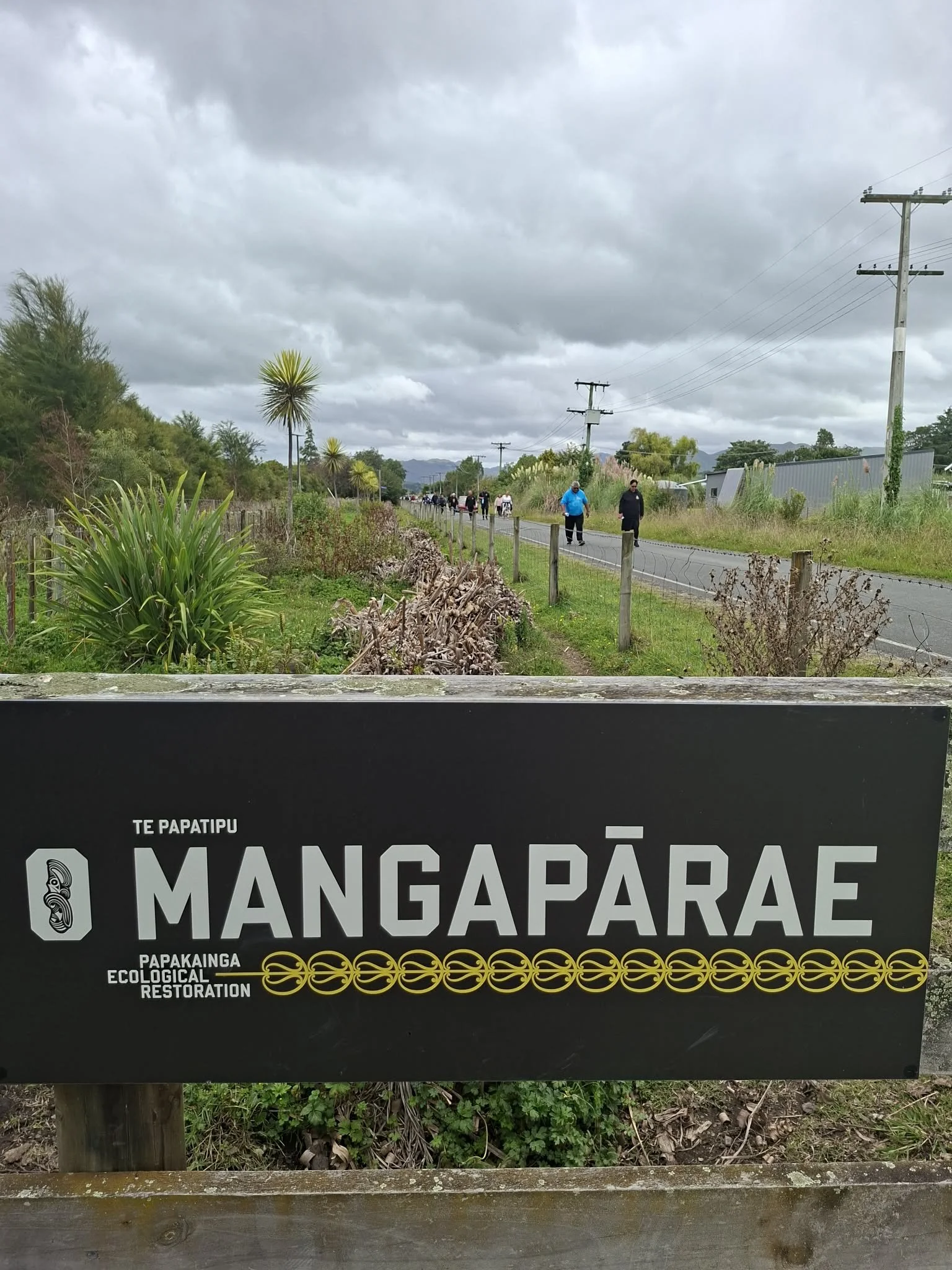
Mangapārae Papakāinga Trust

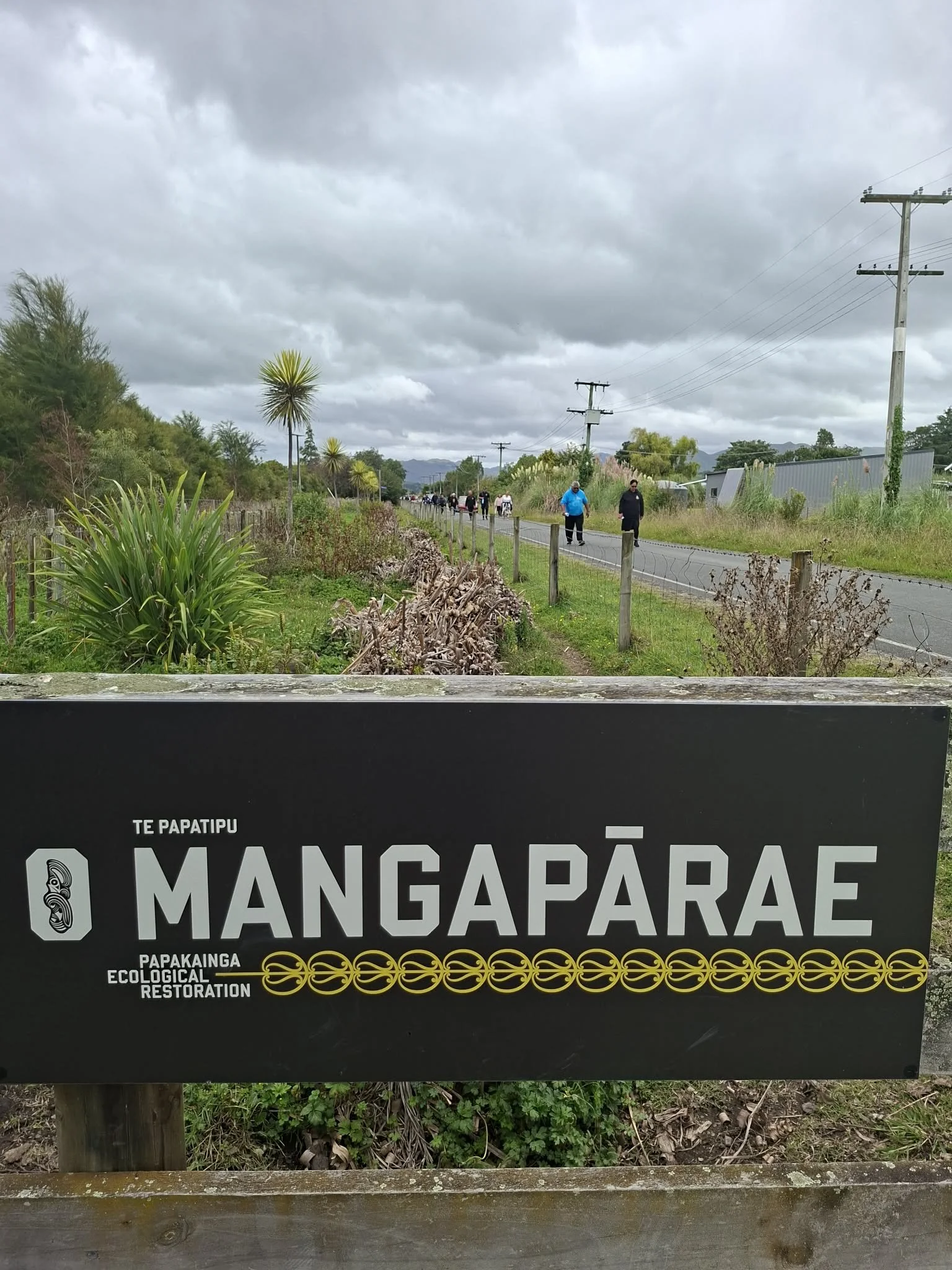
Mangapārae Papakāinga Trust korero
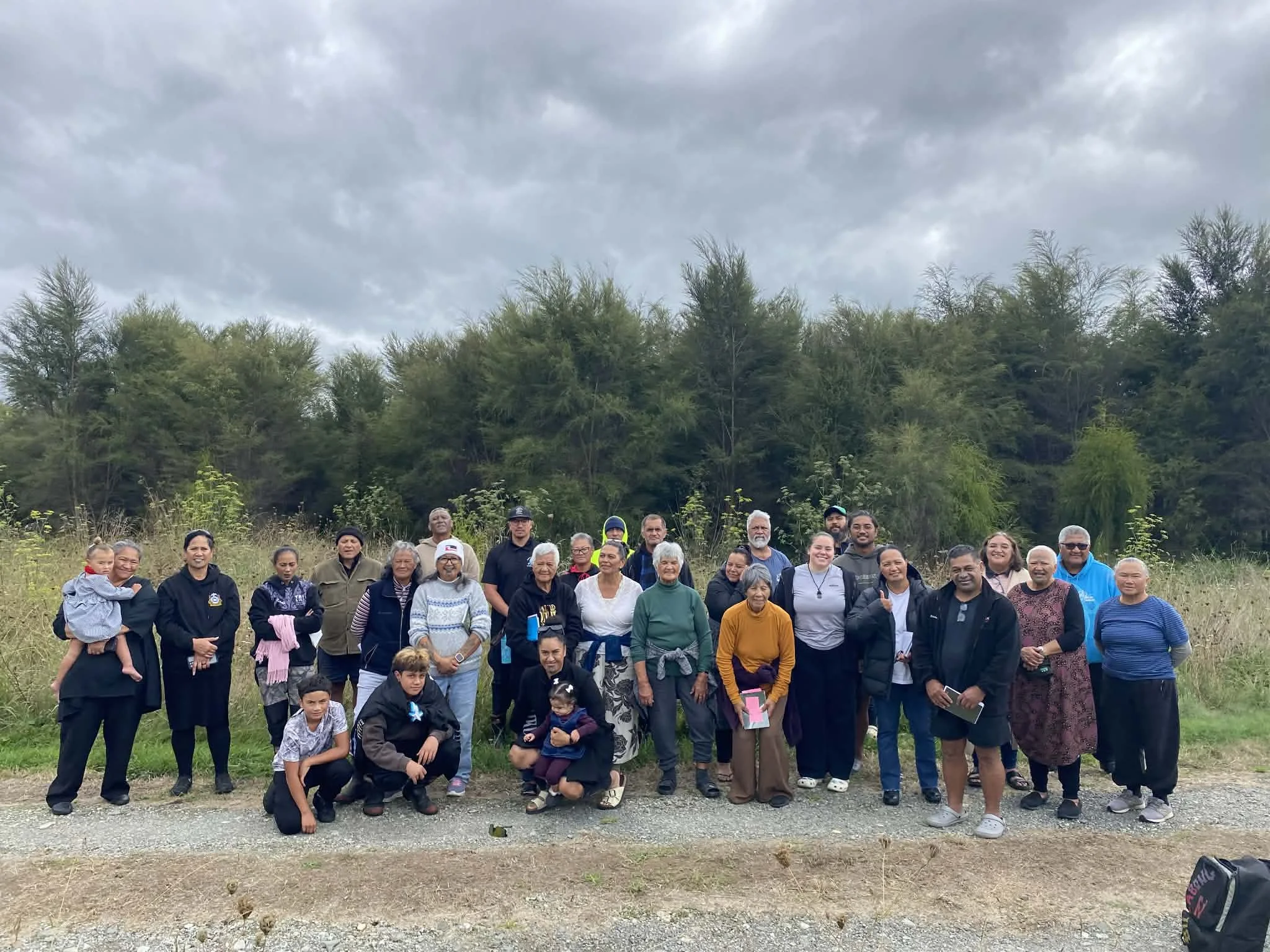
Mangapārae Papakāinga Trust is a whānau-community led, rōpū whakapapa to Ngā Uri O Urikore Tamanui and made up of local Taiao kaitiaki, educators, creators, innovators, researchers, and community leaders. The Trust is led by Dr Virginia Tamanui and Sjimmy Fransen , and its wider kaupapa is supported by Mangatū Marae and connects into the Whātātūtū community. Volunteers are from the community and wider whanau.
Mangapārae Papakāinga Trust is guided by their vision of “a flourishing whenua, a flourishing people.” This reflects a commitment to restoring the health of the land as the foundation for the wellbeing of whānau and future generations. The words of Te Kooti Arikirangi Te Turuki, who prophesied the erosion of the Mangatū lands, continue to resonate with our whānau.
Today, we understand this as a call to action, highlighting the need for kaitiakitanga and healing in response to the impacts of land loss, deforestation and the long-term mismanagement of our whenua and waterways. These impacts have not only degraded the land but have also disrupted our connection to mātauranga Māori and our inherited responsibilities as kaitiaki. Through this whānau-led restoration project, we seek to reclaim and revitalise that knowledge, restoring both the whenua, waterways and our relationship with it. This work is about more than environmental repair, it is about re-establishing our ways of knowing and being, strengthening intergenerational connection, and demonstrating our enduring commitment to the wellbeing and flourishing of both the land, waters and our people.
Supporters / Sponsors
Trees That Count/Project Crimson
Mangatu Marae: people and volunteer support in kind
Predator Free NZ
LotteryNZ
News / Media
Mangapārae Papakāinga Trust online
Historical Milestones and Events
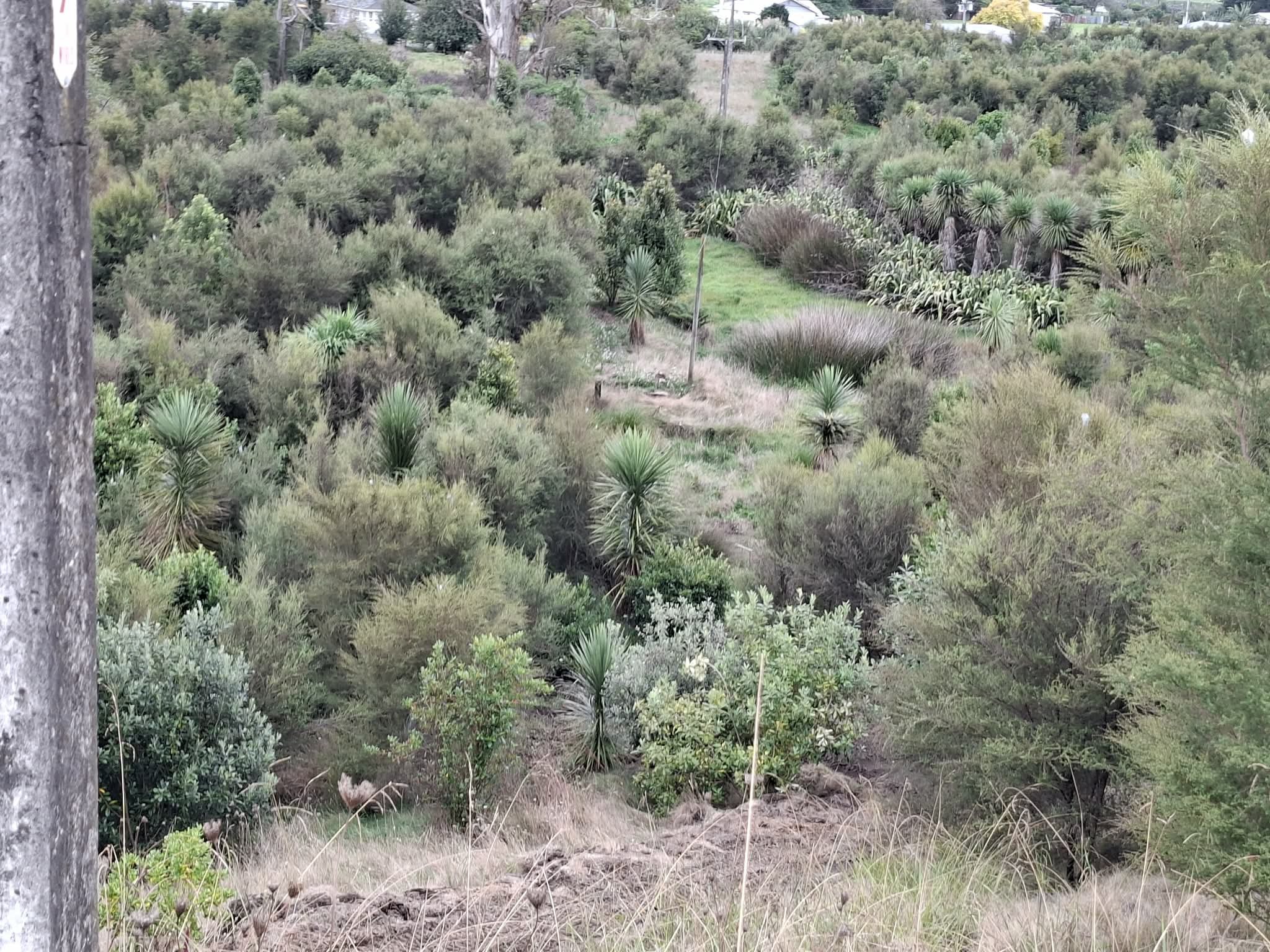
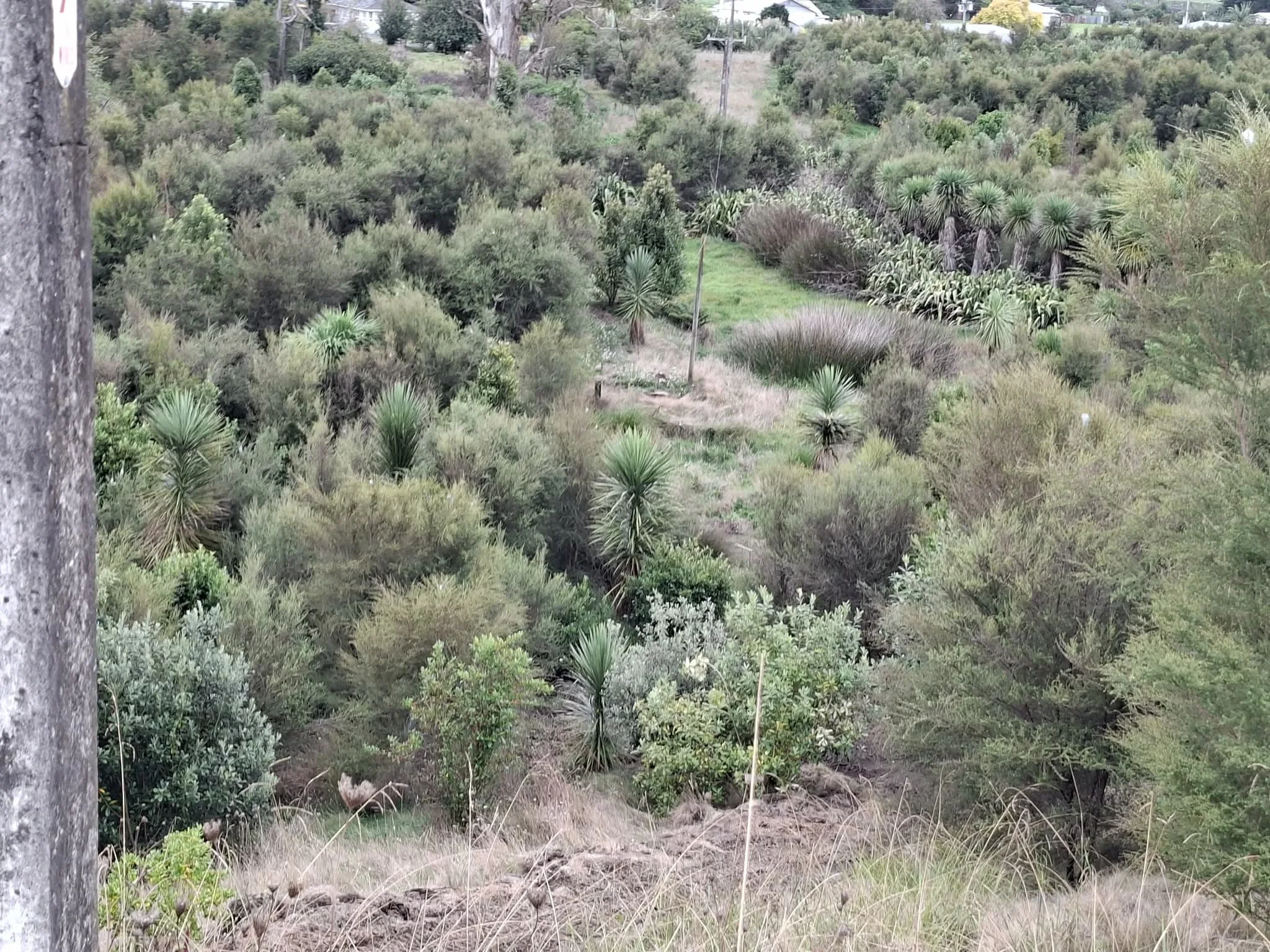
2017: developed a wetland management plan and/or restoration management plan that includes improving the water quality 2027: Support and advice from GDC 2017: Fist planting 4000 native trees Our program achieved significant outcomes largely as a result of community participation, volunteers support and the overall tautoko of our hapu and marae whanau. This support allowed us to complete removal of significant areas of weed and pests and engage with our stakeholders and neighbours who control our surrounding environments to also remove pests.
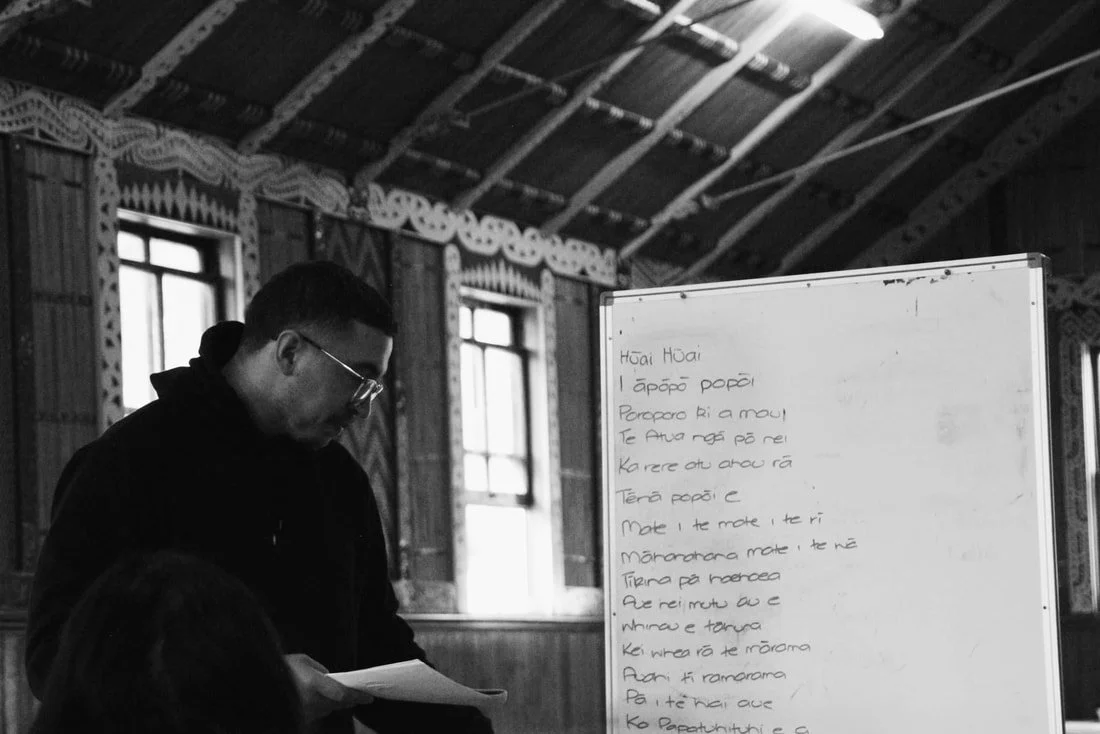
2017-2022: Our wananga series also involved many local whanau and empowered our community to write submissions, participate in our wider hapu ecological planning program. Support and recognition from WWF New Zealand.
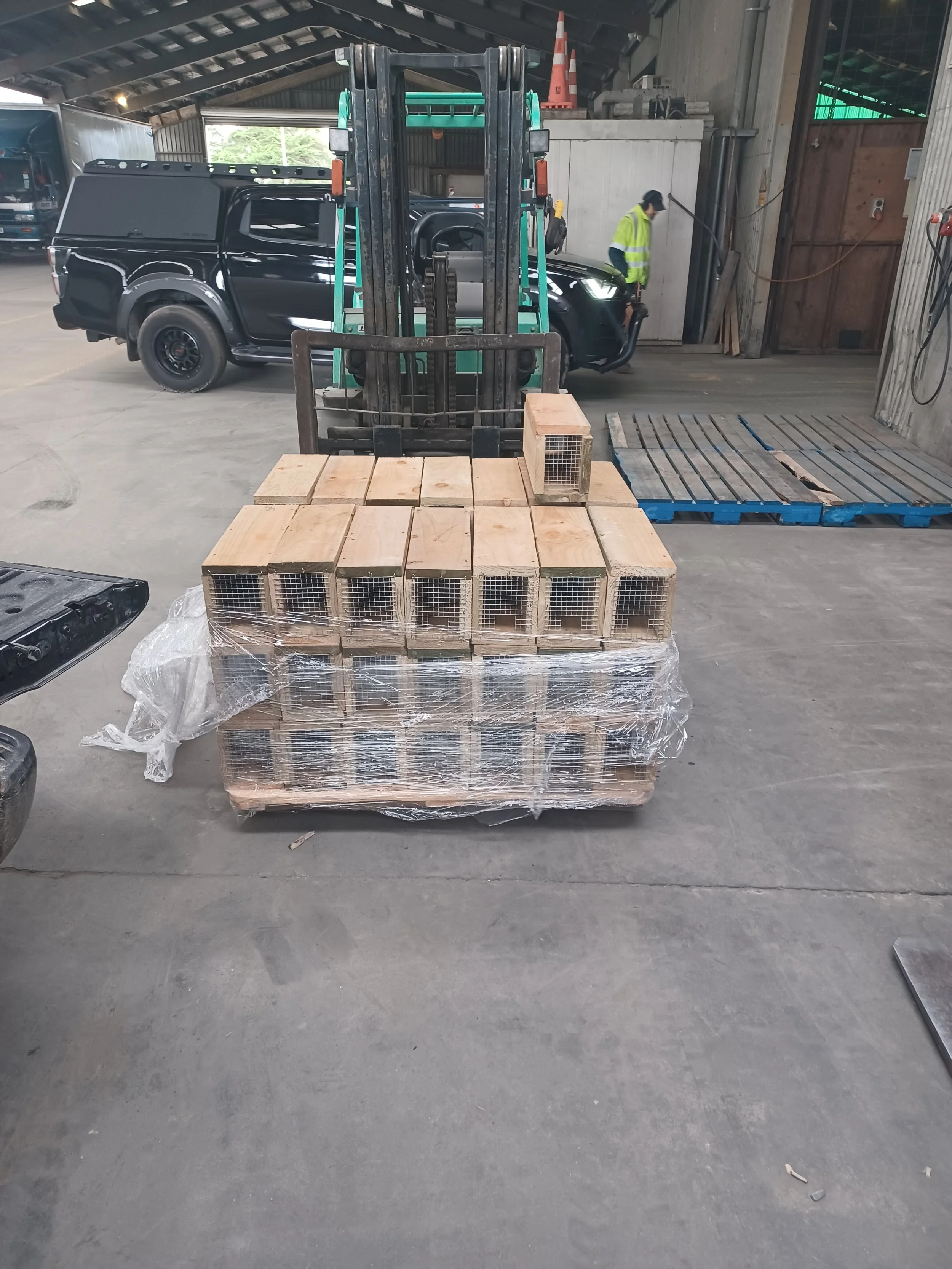
2022-2024: Together with the wider community and hapu, we reintroduced weka, Ngutukaka. Mangapārae is a very short period is now a haven for endangered species and supports native fish, birds, and other wildlife populations. These benefits now flow into the wider ecological area, as the Mangapārae wetland connects to the Mangatu and Waipaoa rivers.
2025: Built and developed our unique and hapu specific Ewe whenua map: Whānau wananga collaborative mapping of waterways, kainga and whānau. Whānau to provide historical detail of whanau living along our awa, their kainga and relationship to the waterways and stories of what lived there in terms of native flaura and fauna including now endangered species.
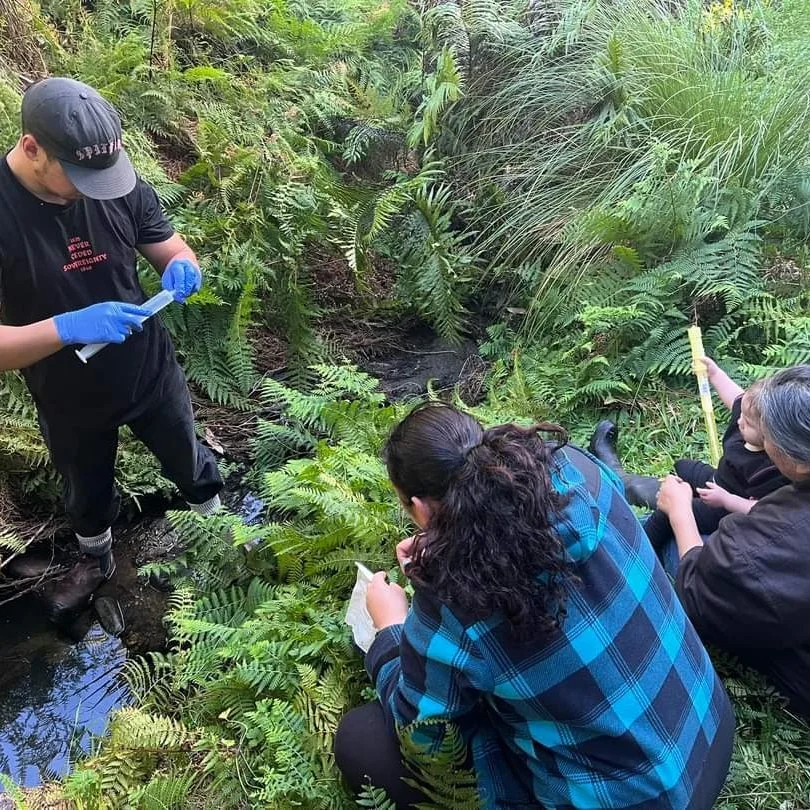
2017-2026: The project team purchased and planted 14000 native trees including 3000 kahikatea and 1000 Totara. Releasing and pest control ensured 90% survival of the planting. The project team completed e-DNA species sampling and documentation, with results available on our website. MPI, GDC and MFE have agreed to provide Mangapārae Papakainga with new eDNA kits for 2025 to test upper Waipaoa and Urukokomoka rivers. Mangapārae raranga Wananga to present findings and project was hosted in August at Mangatū marae and at Te Whare Piringa Mangapārae Papakainga attended by 30 weaver practitioners to share indigenous harvesting knowledge, weaving methodologies, maramataka and ecological restoration achievements. Bird count and recording was done during the Te Ohonga wananga which included a trip to Areoma Maunga. Two significant and unexpected bird observation events happened. Sightings of Koekoeā and one Kārearea sighting. 300% increase of kereru, tui, tiwaiwaka and also weka.
Leading from the Land -
Project Case study
Project Outline
This project is a learning and action initiative designed to deepen understanding of how local hapu and community-informed mātauranga and best-practice science can be integrated to restore wetland systems and tuna pathways within a working rural landscape, surrounded by forestry and cattle farming… and lots of uncontrolled invasive pests.
The aim is to learn which restoration approaches are most effective for improving fish/tuna passage, water quality, and wetland function, including how different native planting species perform across varying conditions and how hydrological interventions (e.g. clearing blockages and reshaping waterways) influence ecological outcomes
The projects also seeks to understand how to effectively engage whānau, hapū, landowners, and primary sector partners in a collaborative, catchment-based approach. This includes learning what supports behaviour change around riparian management, stock exclusion, and long-term stewardship.
Importantly, the project will strengthen understanding of how wānanga-based, community-led approaches can build capability, restore mātauranga, and support intergenerational kaitiakitanga.
These learnings will inform future restoration work and contribute to a scalable model applicable across our wider Rohe and similar environments. A long-term aspiration is to measure and understand the effects on the well-being of the community and its people, as well as the taiao.
Whakaora i ngā Huarahi Tuna is a three-stage, whānau-led restoration project to reconnect tuna pathways from the Mangapārae wetland to the Waipaoa River while strengthening community capability and environmental resilience.
Stage One (May–August 2026) brings together whānau, hapū, and experts through wānanga at Mangatū Marae and Te Piringa Mangapārae to share mātauranga Māori and scientific knowledge. Milestones: delivery of wānanga, completion of baseline eDNA testing, and assessment of waterway blockages to guide restoration design.
Stage Two (September 2026–February 2027) delivers a pilot restoration, reopening waterways through excavation, weed removal, and planting trials to stabilise banks and improve habitat. Milestones: priority channels cleared, tuna passage re-established, and trial planting completed.
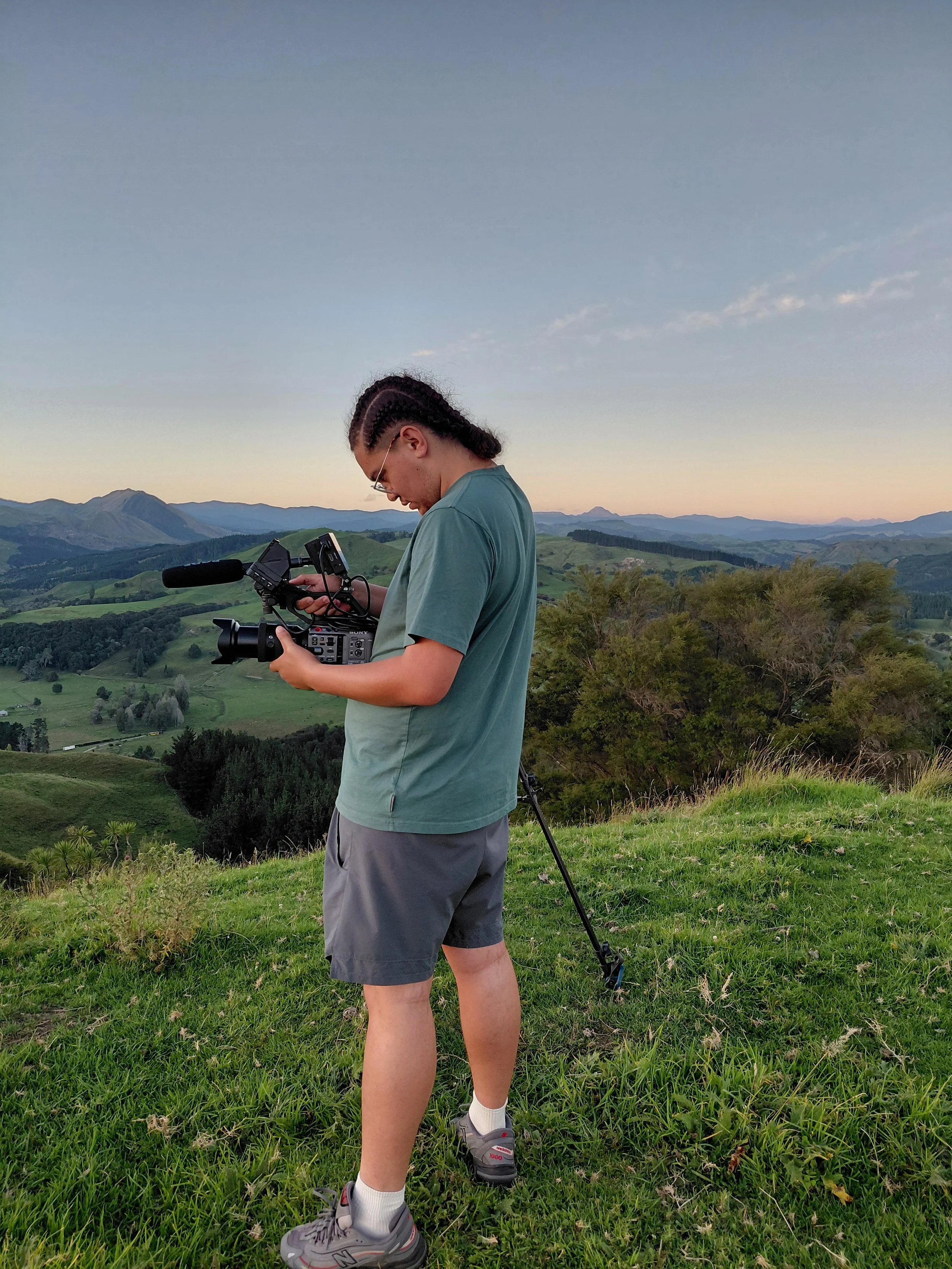
Stage Three (March–May 2027) focuses on monitoring and sharing outcomes through repeat eDNA testing, evaluation wānanga, and visual storytelling. Milestones: evidence of biodiversity improvement, documented project outcomes, and community presentations.
The project builds on almost 10 years of mahi, over 13,000 native plantings, and strong partnerships with neighbouring landowners. It will deliver restored fish passage, improved water quality, and a scalable, community-led model that integrates mātauranga Māori with science to support long-term environmental and social wellbeing.
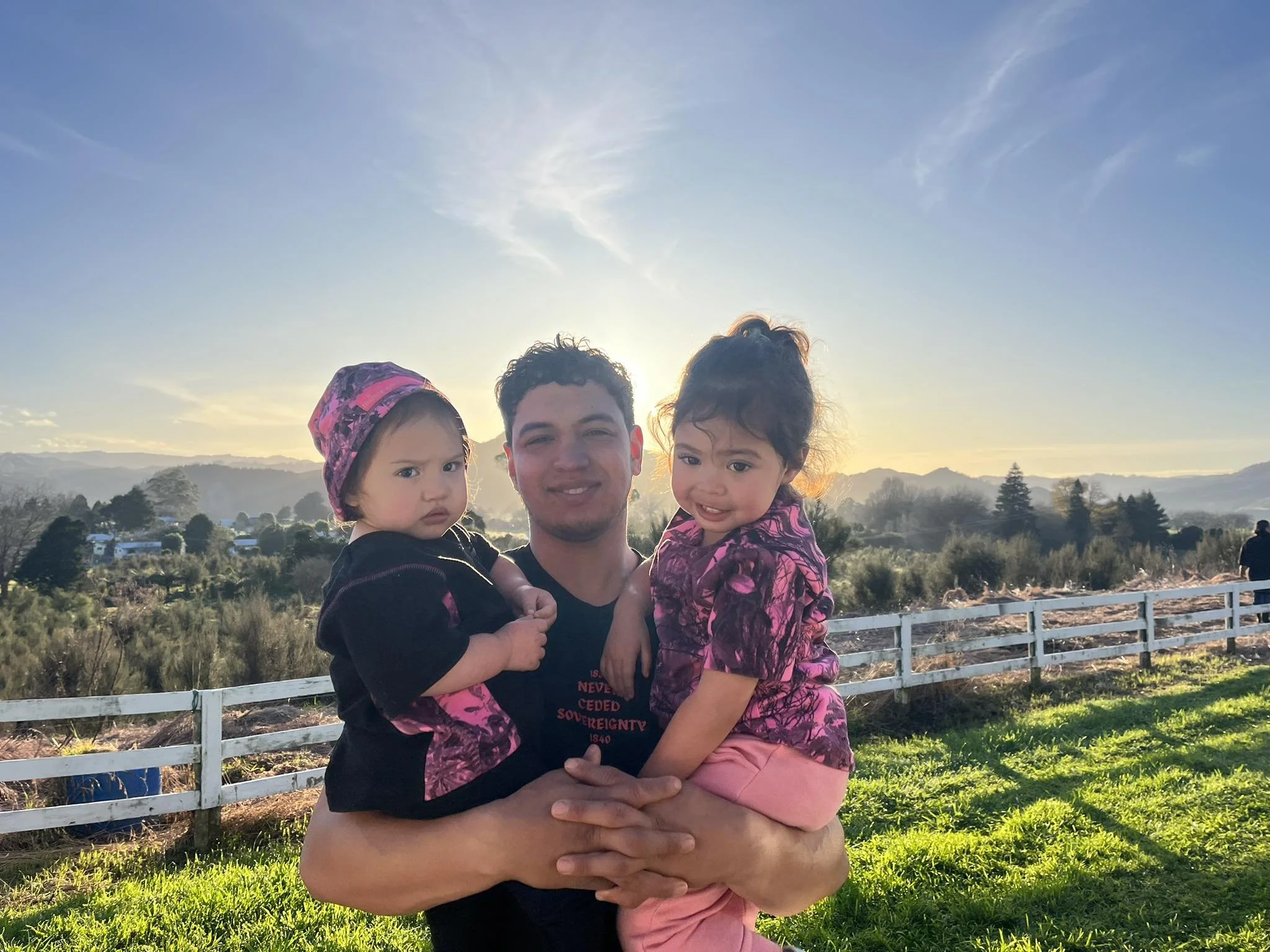


Fostering the collective well-being of Tairāwhiti Catchments
