

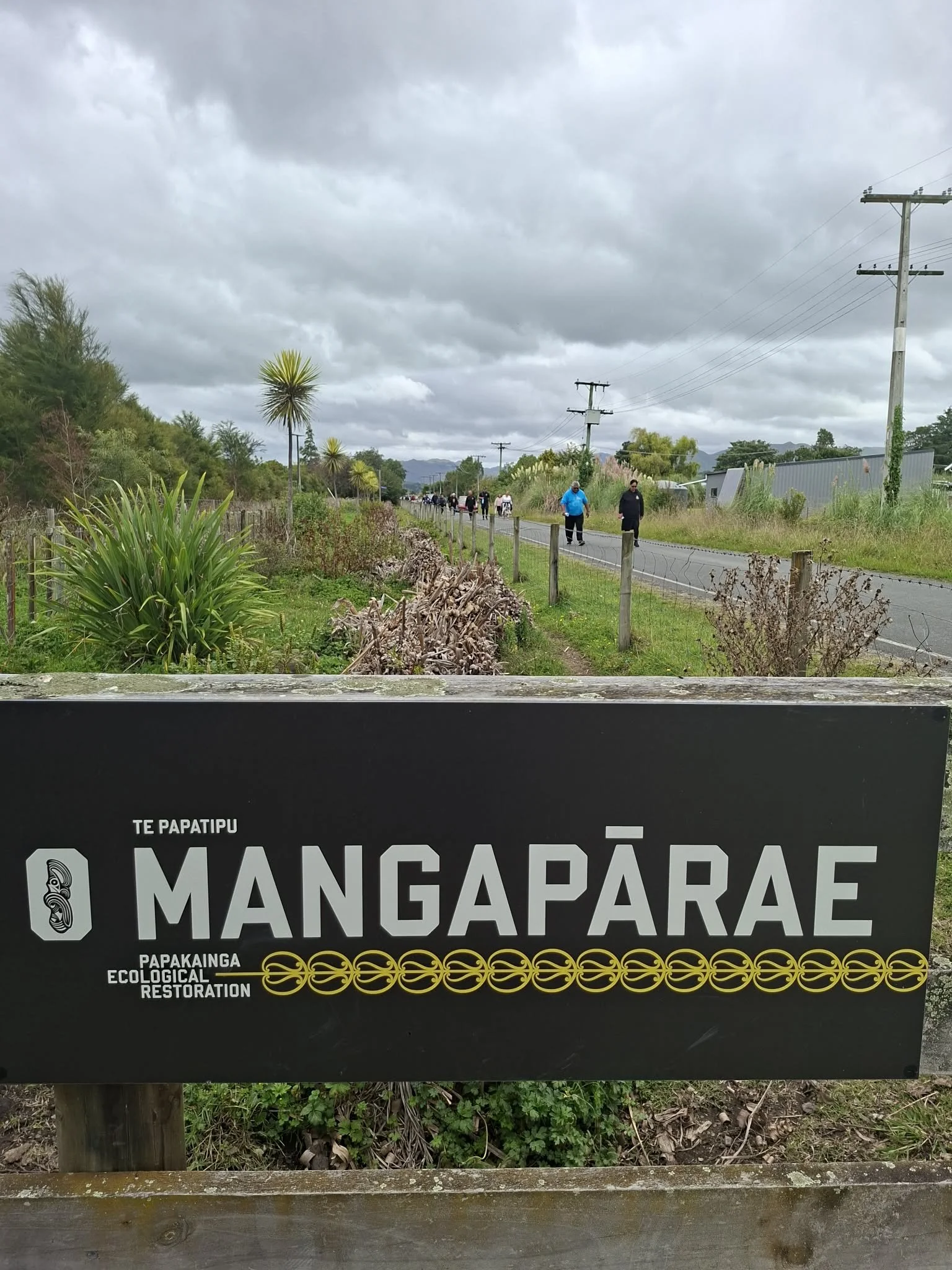
Mangapārae Papakāinga Trust

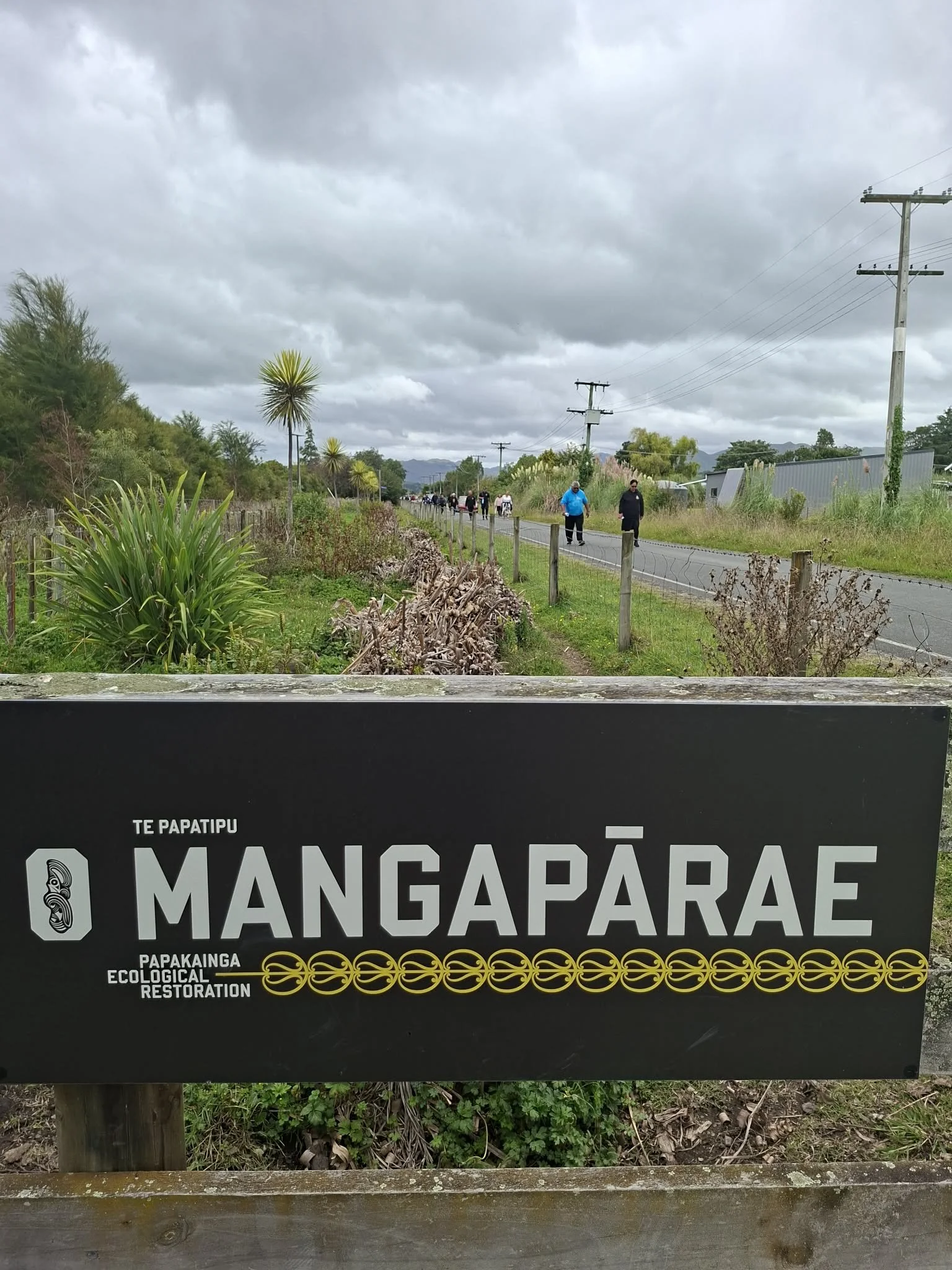
Mangapārae Papakāinga Trust korero
Vision – Moemoeā
To restore the mauri of our whenua and uplift the wellbeing of whānau through culturally grounded, intergenerational healing practices that strengthen identity, belonging, relationship, and hauora.
We aspire to a future where:
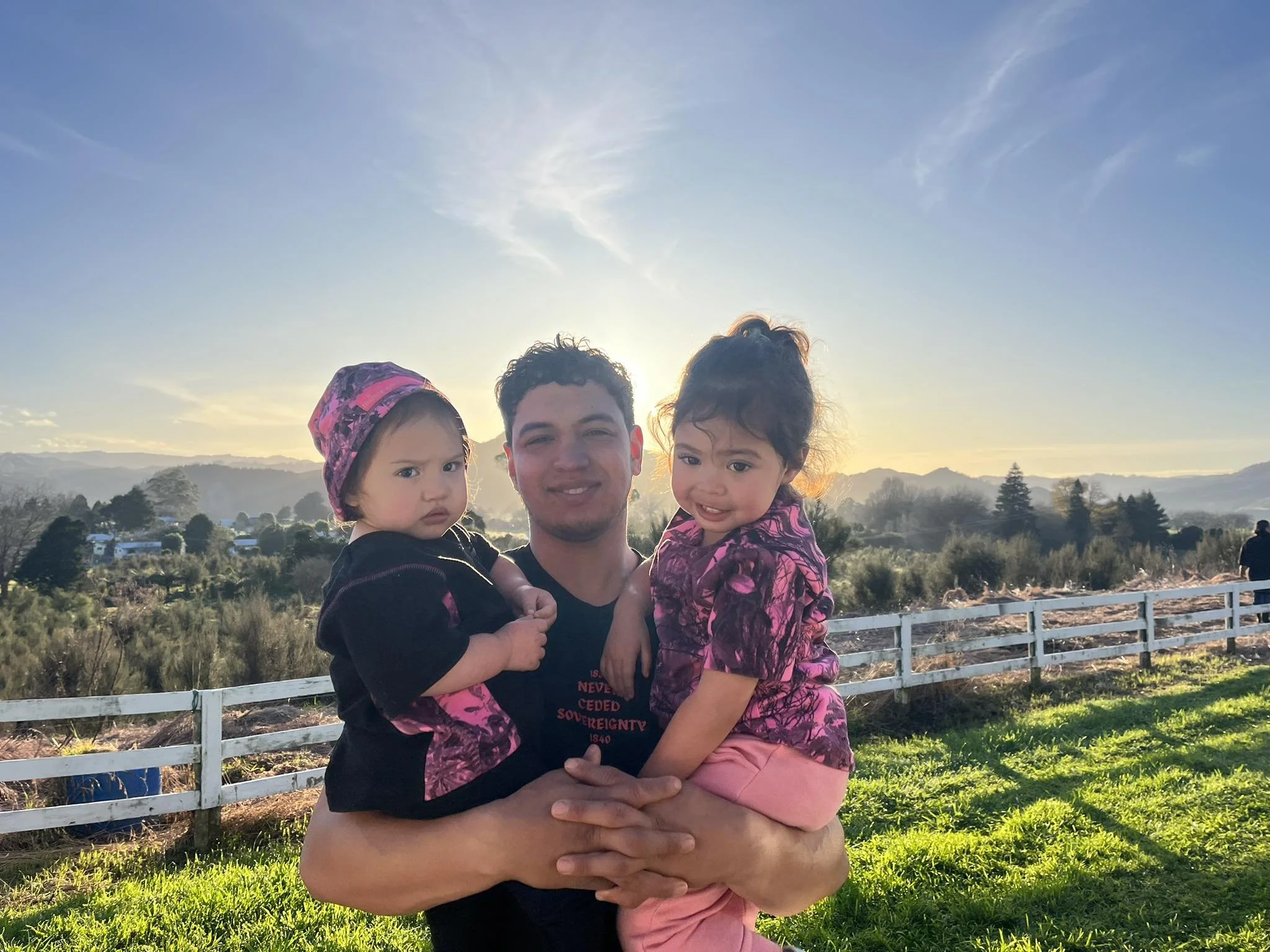
Whānau are grounded in whakapapa and cultural knowledge
Māmā, pāpā and pēpi thrive in connected, healthy environments
Rangatahi learn their history and inherit strong cultural foundations
Our whenua is healed, nourished, and regenerating
Our papakāinga is a living centre of mātauranga, creativity, and collective wellbeing
Our lived experience informs us that maintaining a relationship with whenua, "putting our hands in the soil" and doing the work of whanaungatanga, is a protective factor even when it seems too hard.
Mangapārae Papakāinga Trust is a whānau-community led, rōpū whakapapa to Ngā Uri O Urikore Tamanui and made up of local Taiao kaitiaki, educators, creators, innovators, researchers, and community leaders. The Trust is led by Dr Virginia Tamanui and Sjimmy Fransen , and its wider kaupapa is supported by Mangatū Marae and connects into the Whātātūtū community. Volunteers are from the community and wider whanau.
Mangapārae Papakāinga Trust is guided by their vision of “a flourishing whenua, a flourishing people.” This reflects a commitment to restoring the health of the land as the foundation for the wellbeing of whānau and future generations. The words of Te Kooti Arikirangi Te Turuki, who prophesied the erosion of the Mangatū lands, continue to resonate with our whānau.
Today, we understand this as a call to action, highlighting the need for kaitiakitanga and healing in response to the impacts of land loss, deforestation and the long-term mismanagement of our whenua and waterways. These impacts have not only degraded the land but have also disrupted our connection to mātauranga Māori and our inherited responsibilities as kaitiaki. Through this whānau-led restoration project, we seek to reclaim and revitalise that knowledge, restoring both the whenua, waterways and our relationship with it. This work is about more than environmental repair, it is about re-establishing our ways of knowing and being, strengthening intergenerational connection, and demonstrating our enduring commitment to the wellbeing and flourishing of both the land, waters and our people.
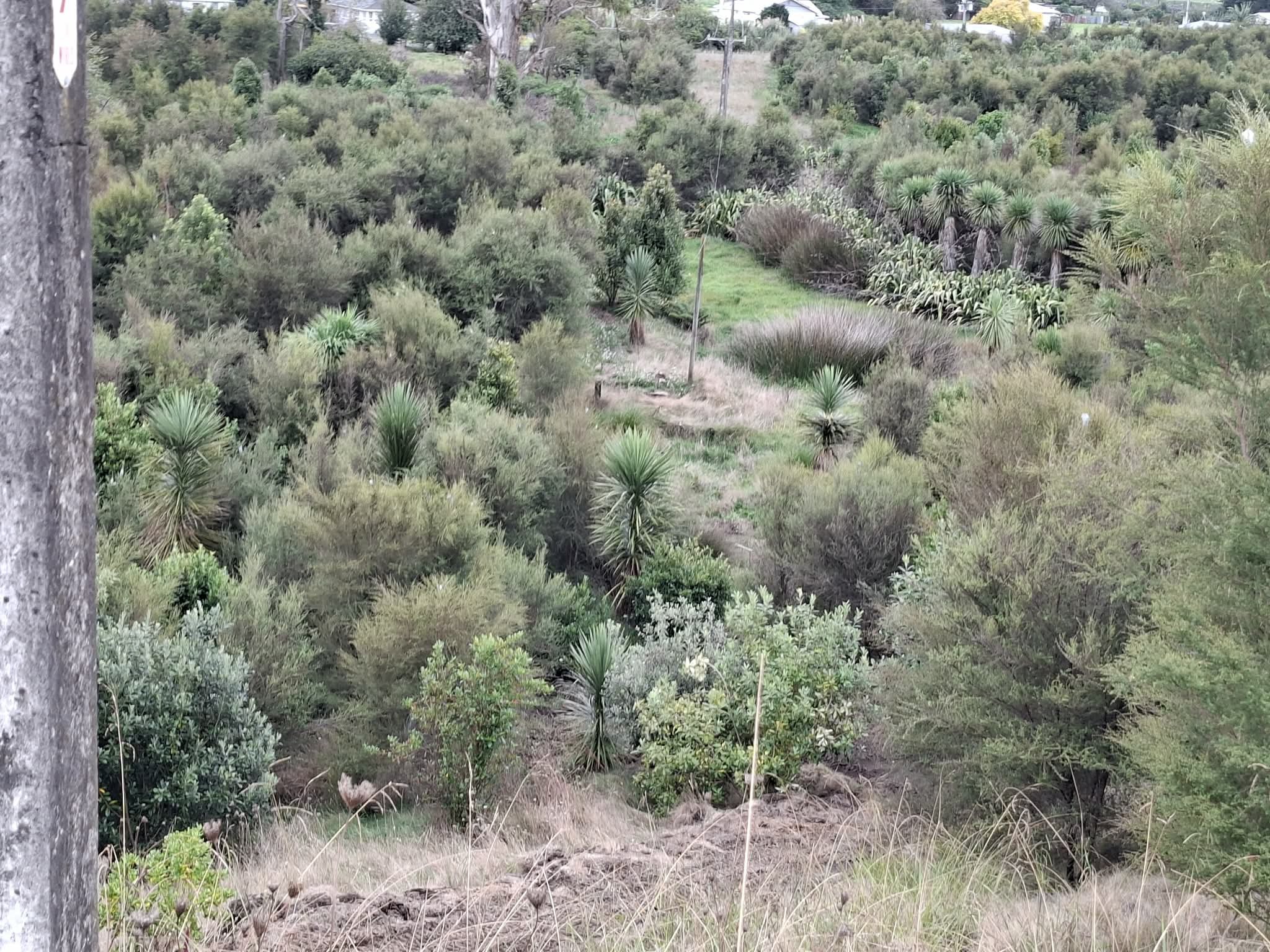
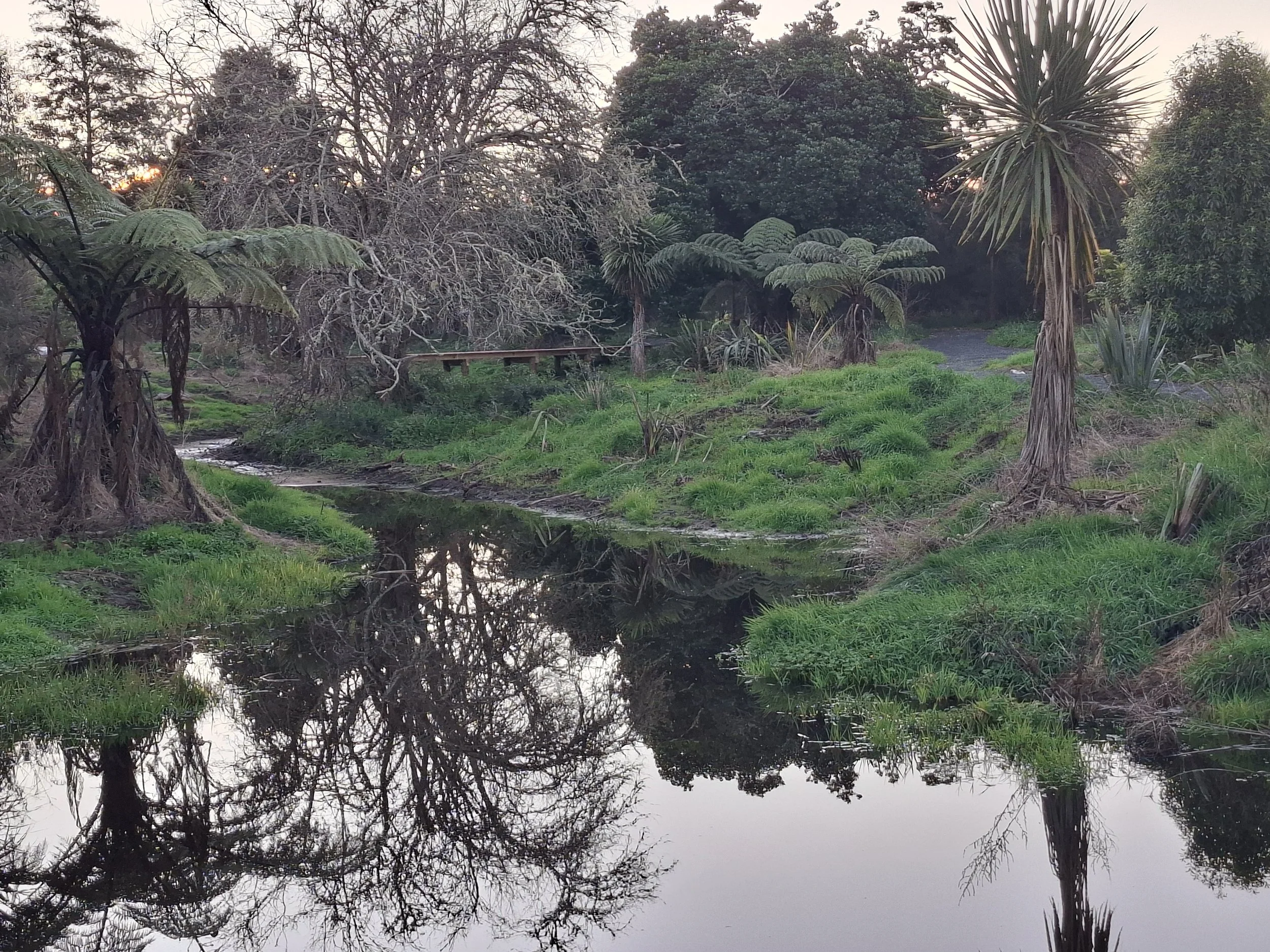
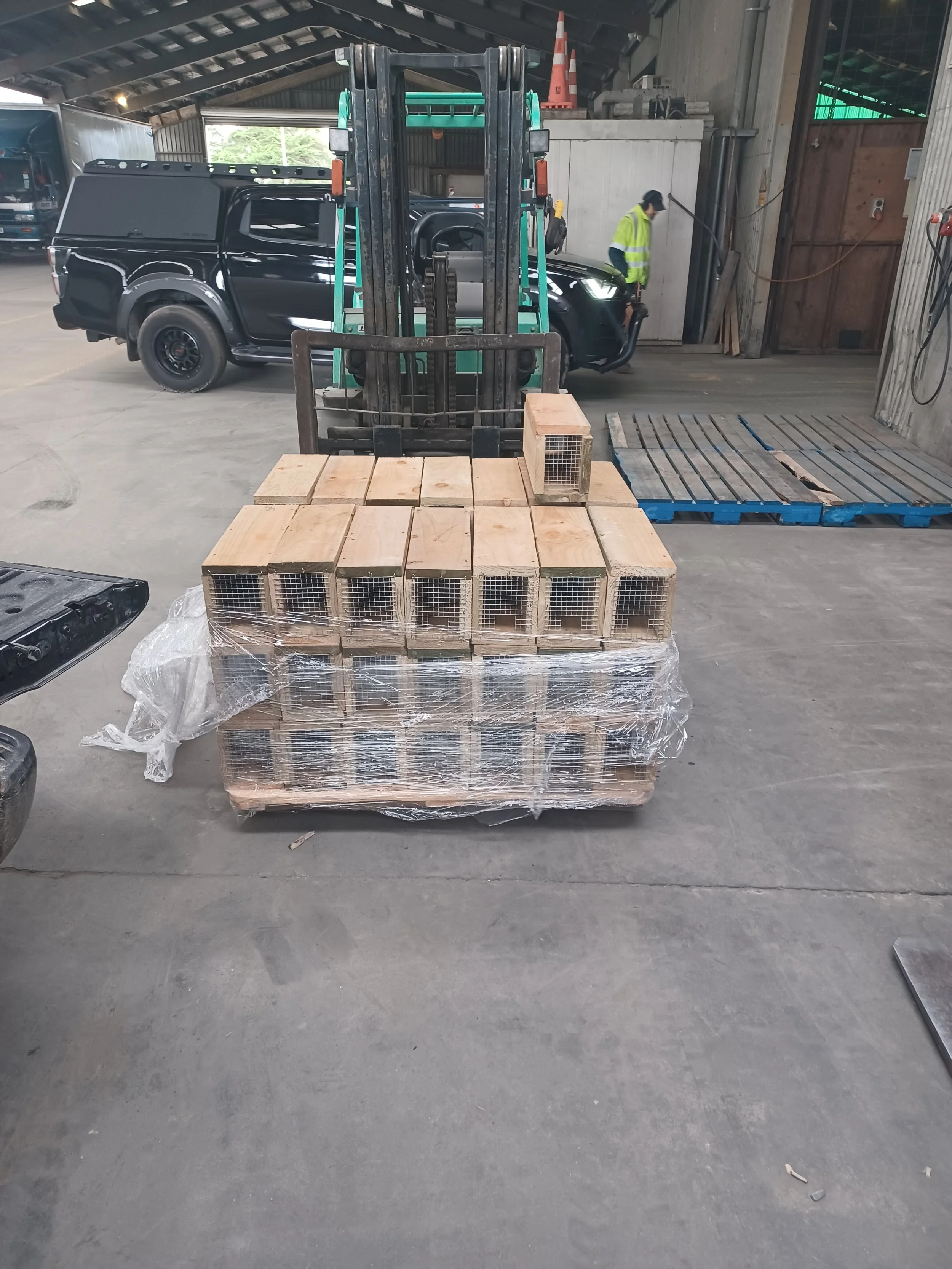
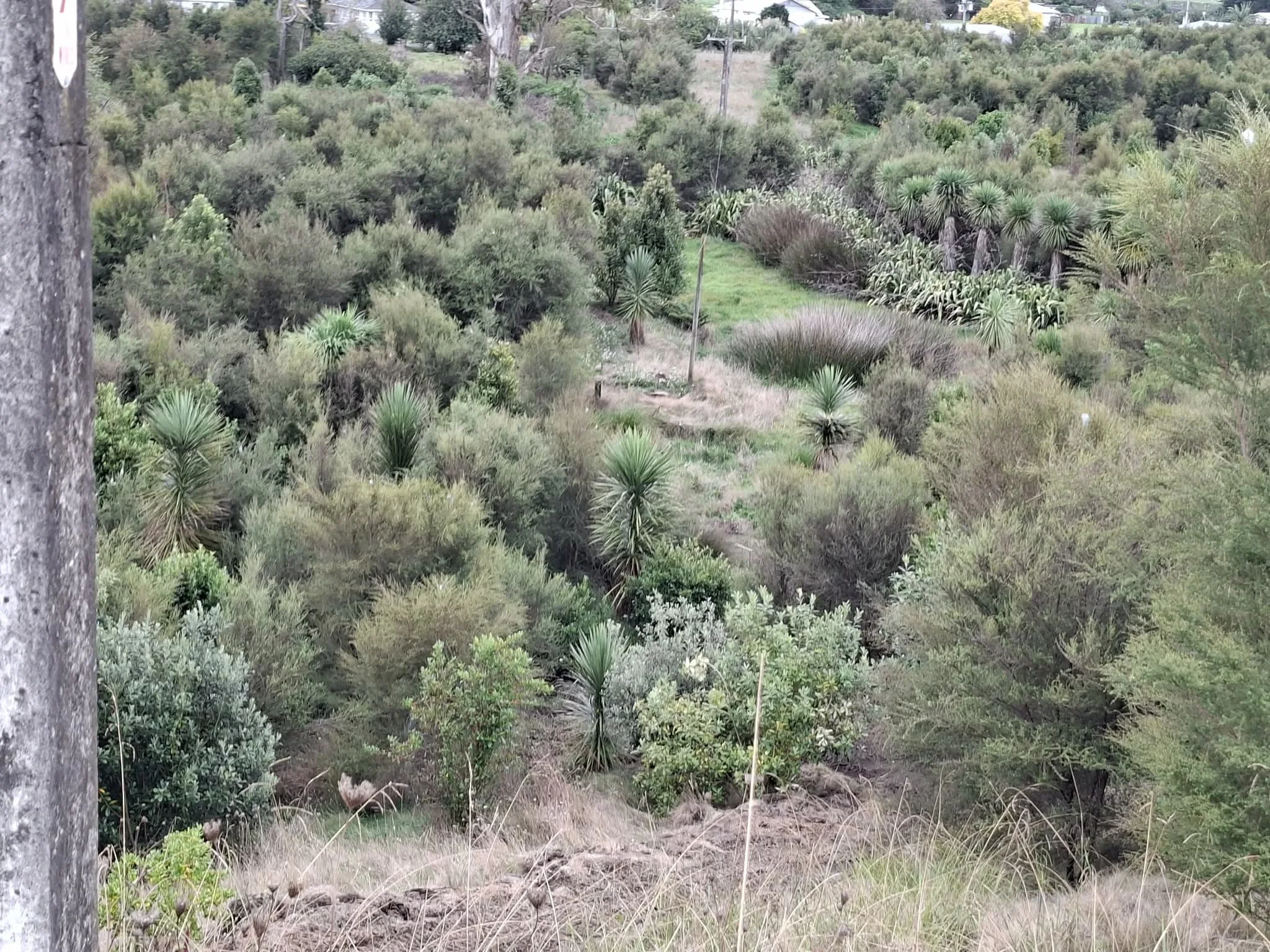
Mangapārae is now a haven for endangered species and supports native fish, birds, and other wildlife populations.
Supporters / Sponsors
Trees That Count/Project Crimson
Sunrise Foundation
Gisborne District Council
World Wildlife NZ (WWF)
Predator Free NZ
Lottery NZ
LFTL
Eastern and Central Community Trust
Tuhi Tuhi Communications - ( www.takoa.co.nz )
News / Media
Mangapārae Papakāinga Trust online
Historical Milestones and Events
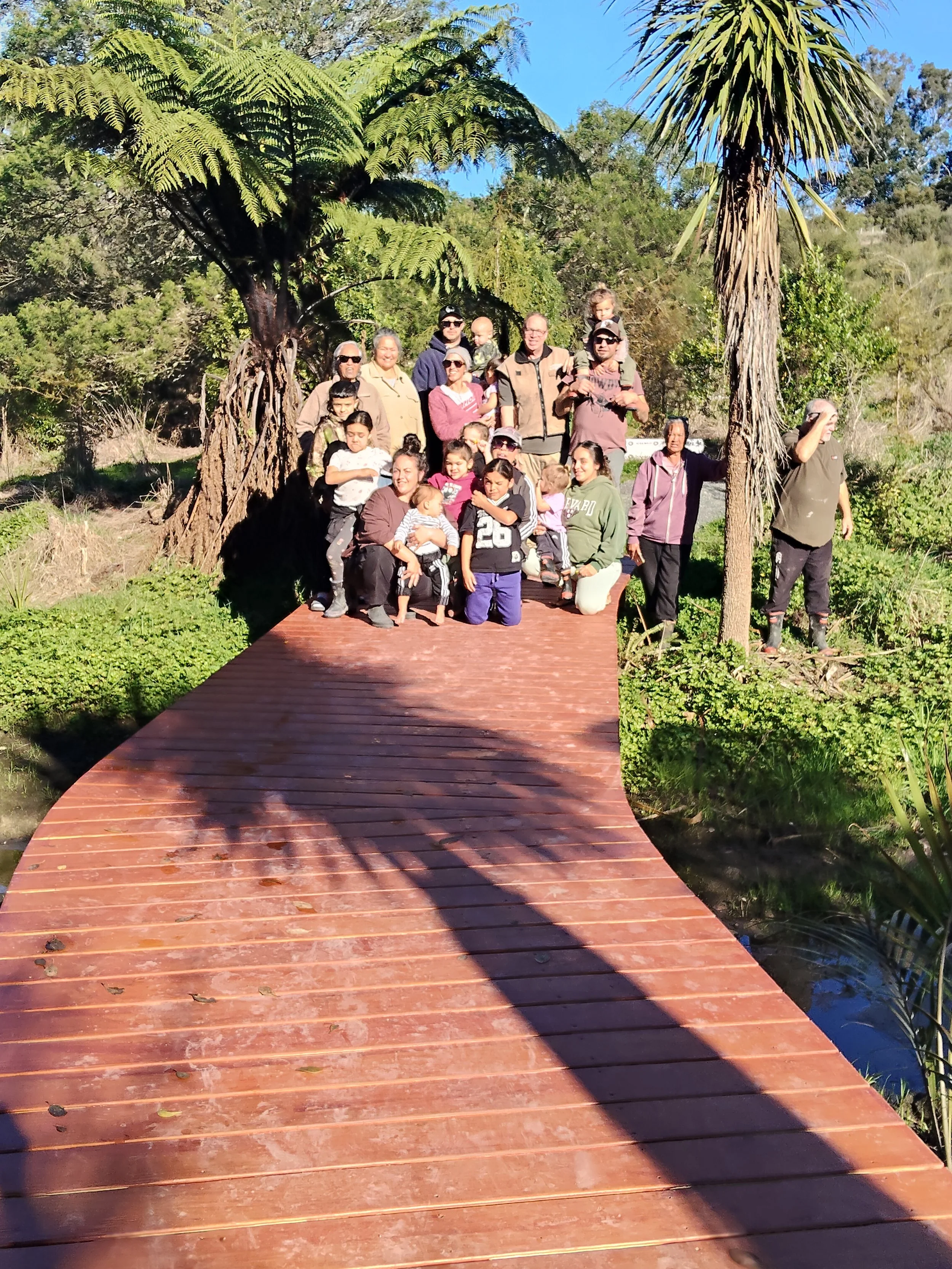
Since commencing its environmental restoration programme in 2017, Mangapārae Papakāinga Trust has transformed a degraded wetland, into a thriving ecological and cultural landscape through sustained community leadership, volunteer effort, and strong hapū/community partnerships. Guided by a wetland restoration plan and supported by agencies including Gisborne District Council, WWF New Zealand, MPI and the Ministry for the Environment, the Trust has planted more than 14,000 native trees—including 3,000 kahikatea and 1,000 tōtara, with over 90% survival through ongoing pest control and maintenance. Community wānanga have strengthened local environmental knowledge, supported ecological planning, and revitalised mātauranga Māori through initiatives such as hapū mapping of waterways and kāinga, raranga wānanga, and eDNA species monitoring. Restoration efforts have enabled the successful reintroduction of weka, contributed to significant increases in native bird populations and an opportunity for tuna and other fisheries to be reestablished, with Mangapārae now providing important habitat for endangered species while enhancing the ecological health of the connected Mangatū and Waipaoa river catchments.
Leading from the Land -
Project Grant
Project Outline
This project is a learning and action initiative designed to deepen understanding of how local hapū and community-informed mātauranga and best-practice science can be integrated to restore wetland systems and tuna pathways within a working rural landscape, surrounded by forestry and cattle farming… and lots of uncontrolled invasive pests.
The aim is to learn which restoration approaches are most effective for improving fish/tuna passage, water quality, and wetland function, including how different native planting species perform across varying conditions and how hydrological interventions (e.g. clearing blockages and reshaping waterways) influence ecological outcomes
The projects also seeks to understand how to effectively engage whānau, hapū, landowners, and primary sector partners in a collaborative, catchment-based approach. This includes learning what supports behaviour change around riparian management, stock exclusion, and long-term stewardship.
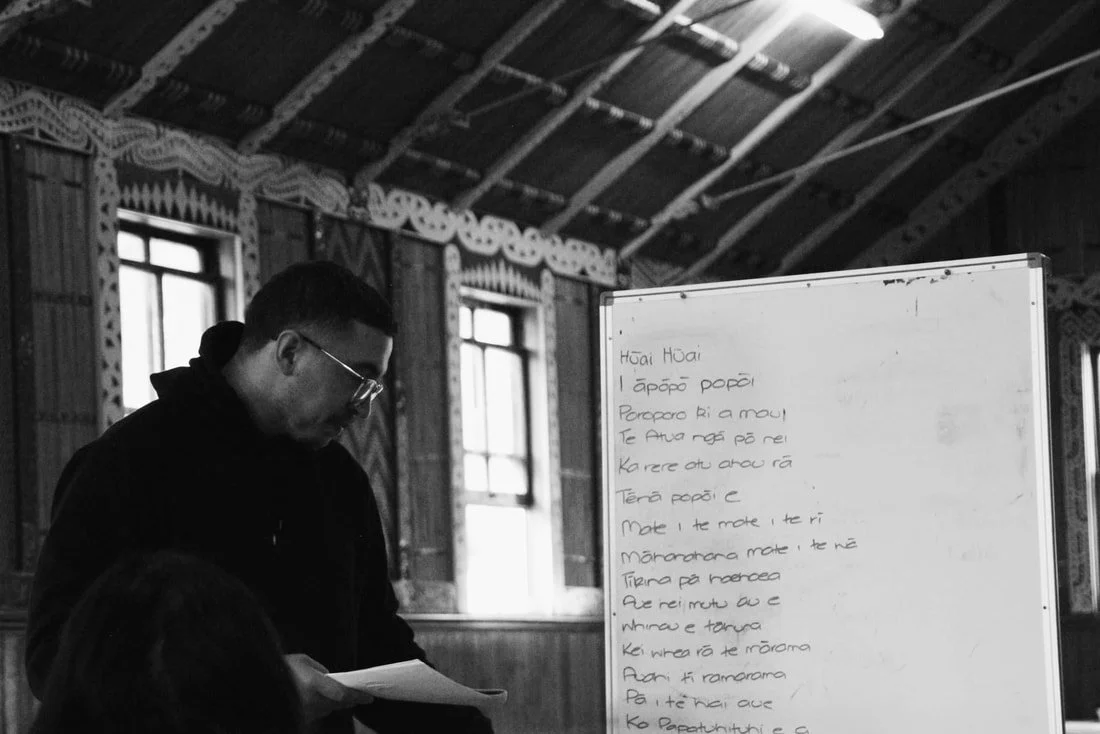
Importantly, the project will strengthen understanding of how wānanga-based, community-led approaches can build capability, restore mātauranga, and support intergenerational kaitiakitanga.
These learnings will inform future restoration work and contribute to a scalable model applicable across our wider Rohe and similar environments. A long-term aspiration is to measure and understand the effects on the well-being of the community and its people, as well as the taiao.
Whakaora i ngā Huarahi Tuna is a three-stage, whānau-led restoration project to reconnect tuna pathways from the Mangapārae wetland to the Waipaoa River while strengthening community capability and environmental resilience.
The project builds on almost 10 years of mahi, over 13,000 native plantings, and strong partnerships with neighbouring landowners. It will deliver restored fish passage, improved water quality, and a scalable, community-led model that integrates mātauranga Māori with science to support long-term environmental and social wellbeing.
Outcomes
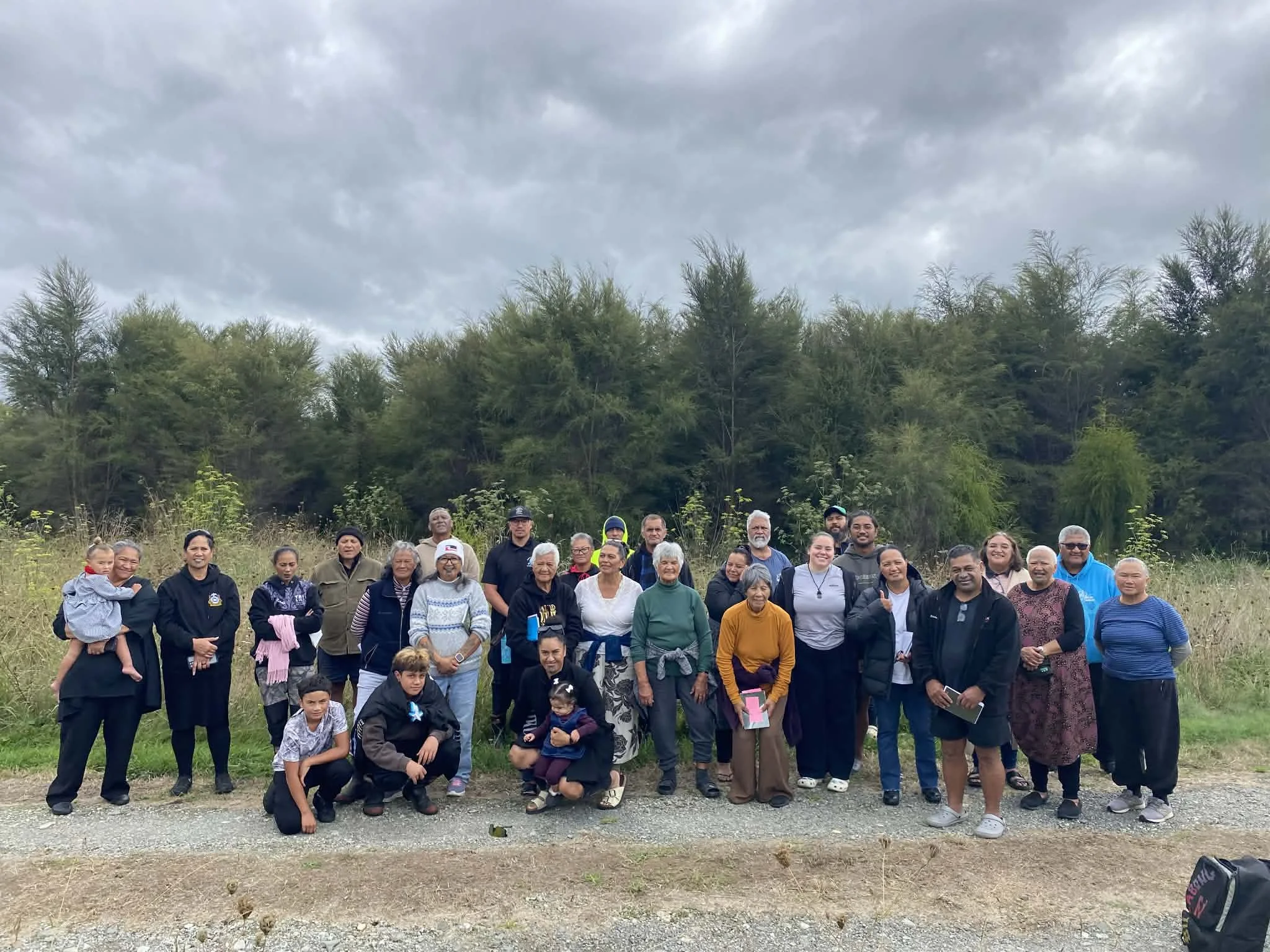
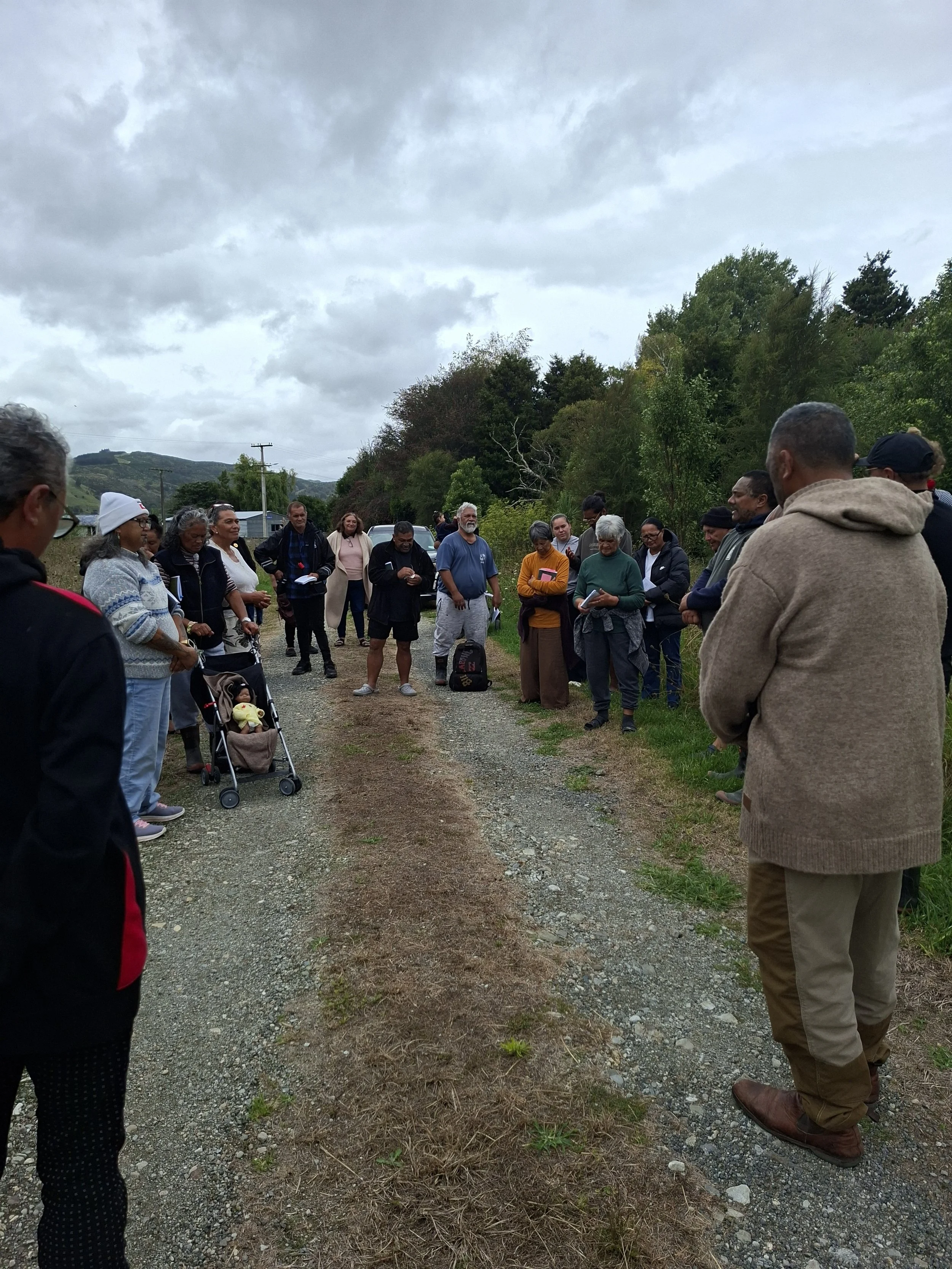
• Strong community engagement and leadership – brought whānau, hapū, practitioners and technical experts together through wānanga and site visits, strengthening collaboration and shared responsibility for the whenua.
• Integration of mātauranga Māori and science – combined local knowledge, pūrākau and traditional ecological practices with scientific expertise and environmental evidence to guide restoration decisions.
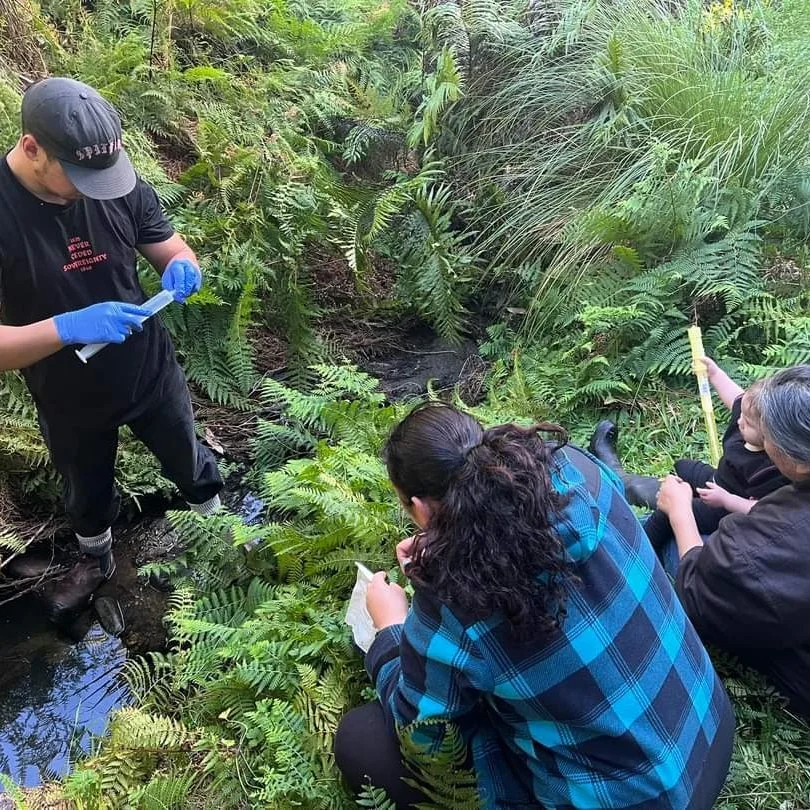
• Baseline environmental assessment completed – undertook eDNA testing and mapped physical barriers to tuna migration, providing an evidence-based foundation for restoration.
• Clear restoration pathway established – moved the project from initial planning and aspiration towards practical, targeted restoration of tuna pathways and wetland habitats.
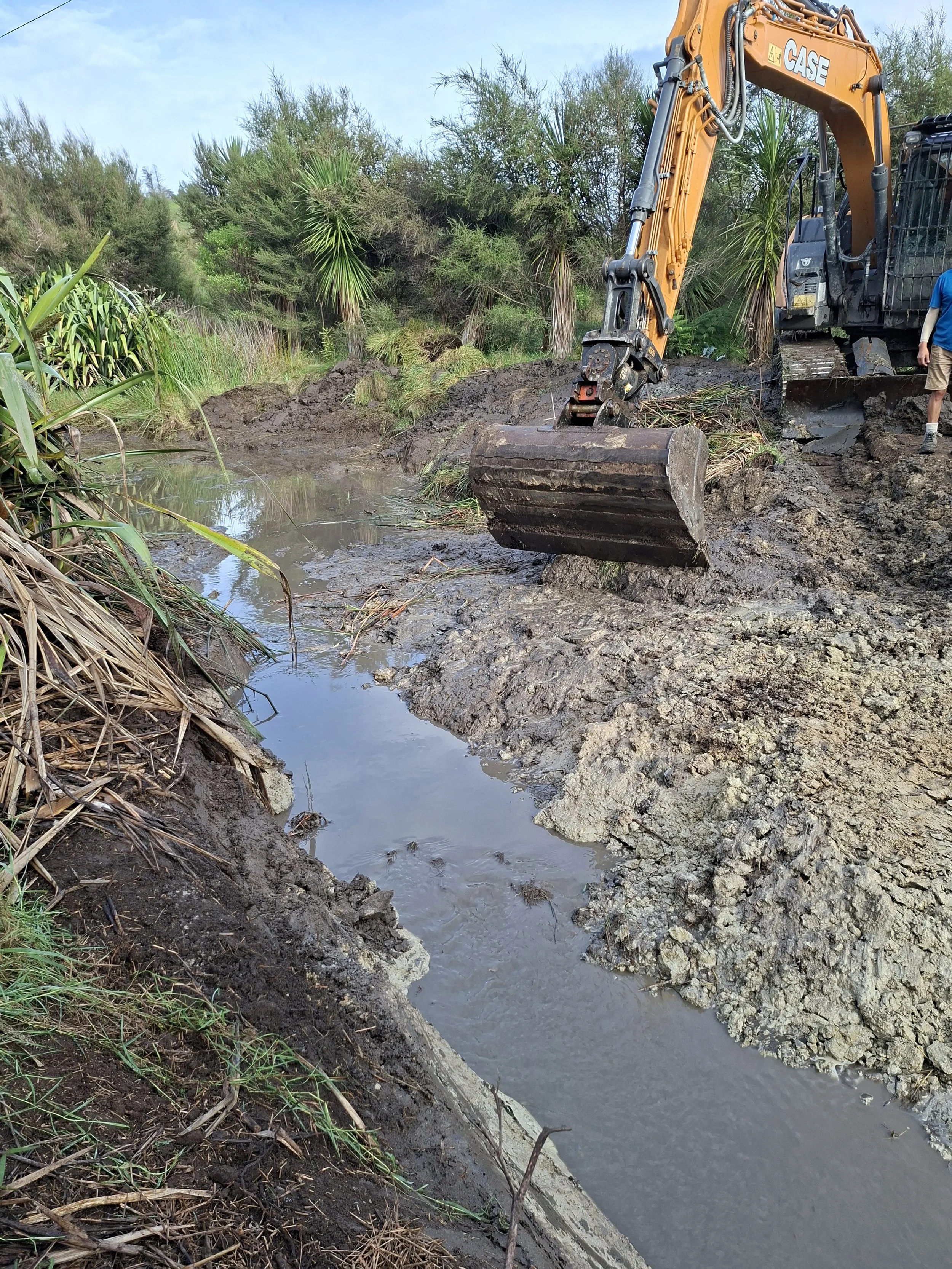
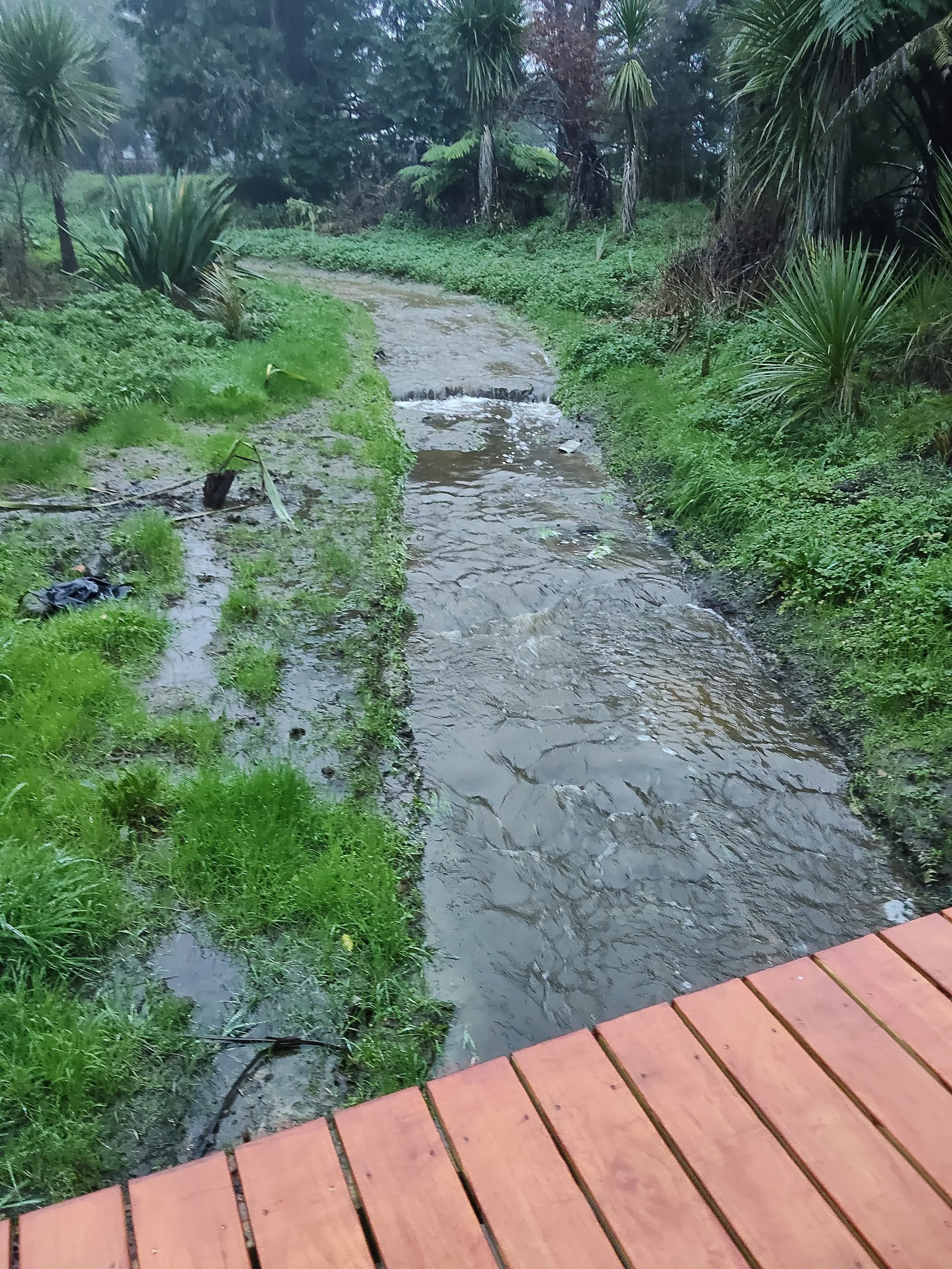
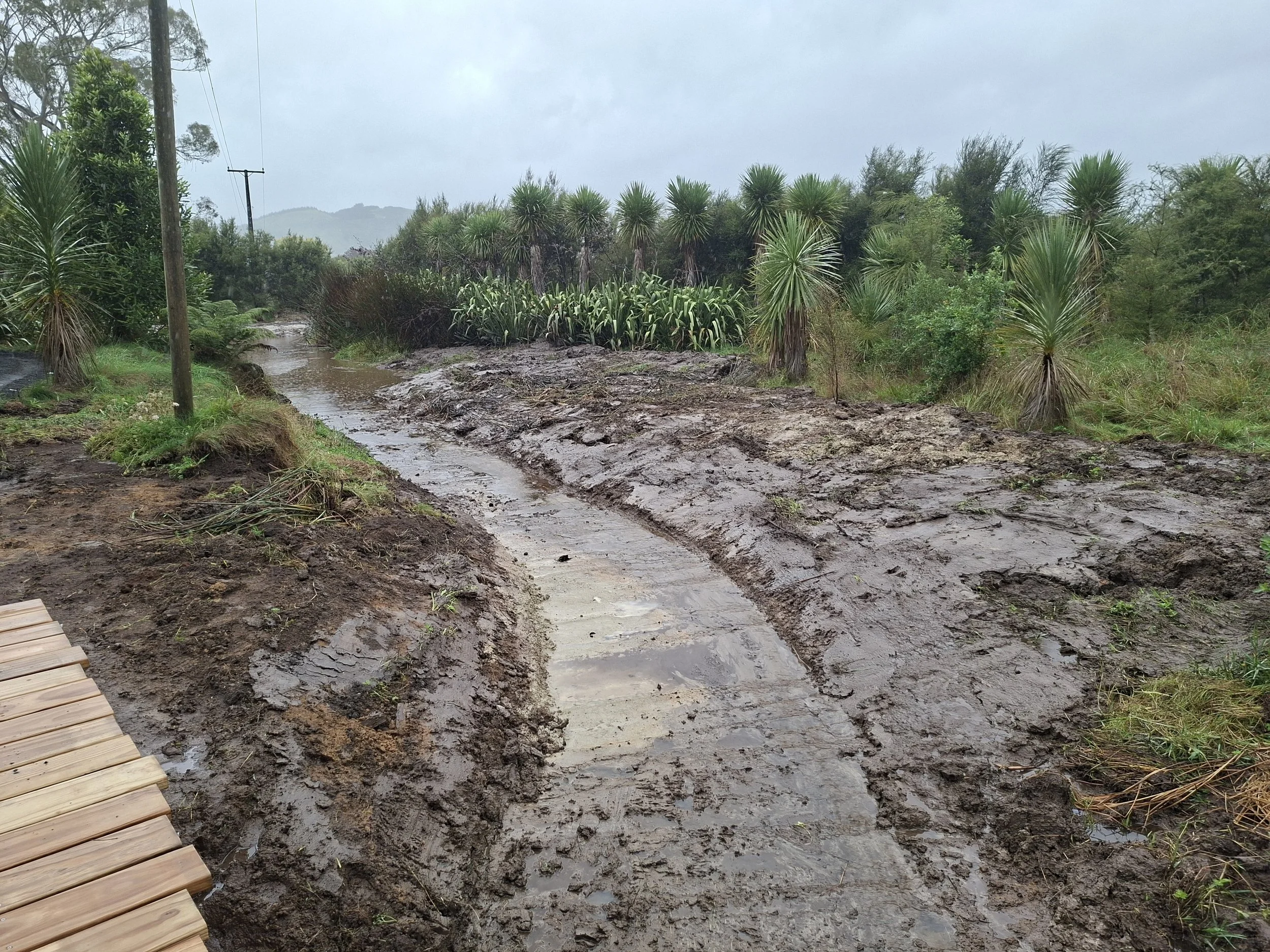
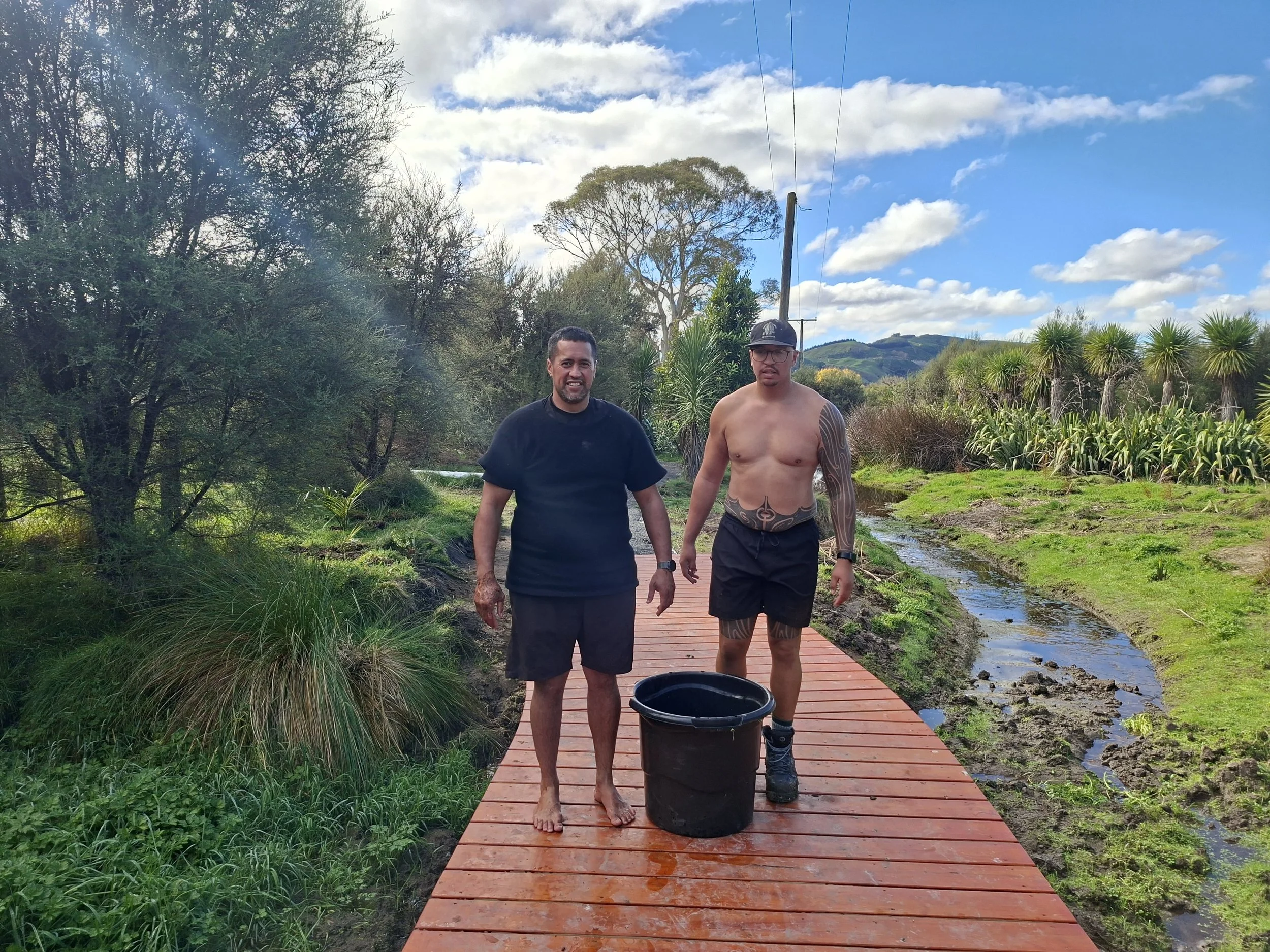
• Practical restoration underway – began reopening priority tuna pathways through excavation, invasive grass removal, channel restoration and native planting.
• Increased community capability – created opportunities for hands-on learning and strengthened the confidence and skills of whānau, rangatahi and hapū to act as kaitiaki.
• Stronger partnerships established – developed relationships with environmental organisations, scientists, DOC and other local communities, creating opportunities for future collaboration.
• Foundation for Stage Two established – developed a clear plan for further restoration, monitoring, ecological testing and knowledge-sharing.
Community Impact:
The LFTL funding has enabled Mangapārae Papakāinga Trust to move from aspiration and planning into evidence-based, community-led restoration. It brought whānau, hapū, environmental practitioners and technical experts together, strengthening relationships, shared knowledge and collective responsibility for the whenua. The project has increased community confidence and capability, particularly among whānau, rangatahi and hapū, to participate in practical restoration and act as kaitiaki. It has also strengthened connections to whakapapa, whenua and waterways while establishing a foundation for longer-term restoration and knowledge-sharing across Tairāwhiti.
The project reinforced the importance of taking a patient, collaborative and long-term approach to restoration. Balancing restoration work with whānau commitments, limited time and resources, and weather events highlighted the need for flexibility and strong relationships. The project also demonstrated the value of combining mātauranga Māori, local ecological knowledge and scientific expertise when making restoration decisions. Hands-on wānanga provided an effective way to build community capability while delivering practical restoration outcomes.
Next Steps:
Stage Two will focus on further pilot restoration works, including monitoring reopened waterways, creating additional tuna pathways, restoring natural water flow, removing invasive grasses and extending native planting towards neighbouring and bordering lands and the Waipaoa. The group also plans follow-up eDNA testing, ongoing site monitoring, filming, photography, interviews and digital storytelling to document the restoration journey and share learnings with other communities across Tairāwhiti.
Mangapārae Project Stament
One of the greatest highlights of this project has been seeing our community come together to reconnect with our whenua, our waterways, and our shared responsibility as kaitiaki. Stage One has successfully grounded the project in celebrating our local knowledge, and environmental evidence. Through our wānanga held on the whenua, whānau, hapū, environmental practitioners, and technical advisors have shared knowledge about tuna migration, wetland restoration, traditional ecological practices, and local pūrākau. We are especially grateful for the support and guidance from Dr Paul Franklin, Freshwater Ecologist Earth Sciences, Percy Milner from DOC and Riki Bennett (Ngati Pikiao, Ngati Whakaue, Te Arawa, Ngati Porou) expert Te Ao Māori perspectives on conservation and the natural world. This process brought together lived experience with scientific expertise has strengthened relationships and created a shared vision for restoring our tuna pathways. We were able to move forward the pathway creation after considered advice.
An additional highlight was a site visit from other local whanau from Te Karaka who wanted to share their mahi and marakai journey, we were able to share our projects progress and planned to work together in the future.
A significant milestone has been completing baseline environmental assessments, including eDNA water testing to identify the species currently present within our waterways and mapping the physical barriers preventing tuna migration. Combining this environmental evidence with community knowledge has ensured that our restoration planning is both culturally grounded and scientifically informed. The project has strengthened collaboration between whānau, hapū, environmental organisations, and technical specialists while building confidence that our community can lead innovative restoration solutions.
We are excited to have moved from planning into action by reopening priority tuna pathways through targeted excavation, invasive grass removal, channel restoration,and continued native planting. Delivering these works alongside practical restoration wānanga will allow community members to learn directly from environmental practitioners while actively restoring our wetland. This demonstration project will improve ecological health, increase resilience to flooding, and provide practical lessons that can inform restoration elsewhere across Tairāwhiti.
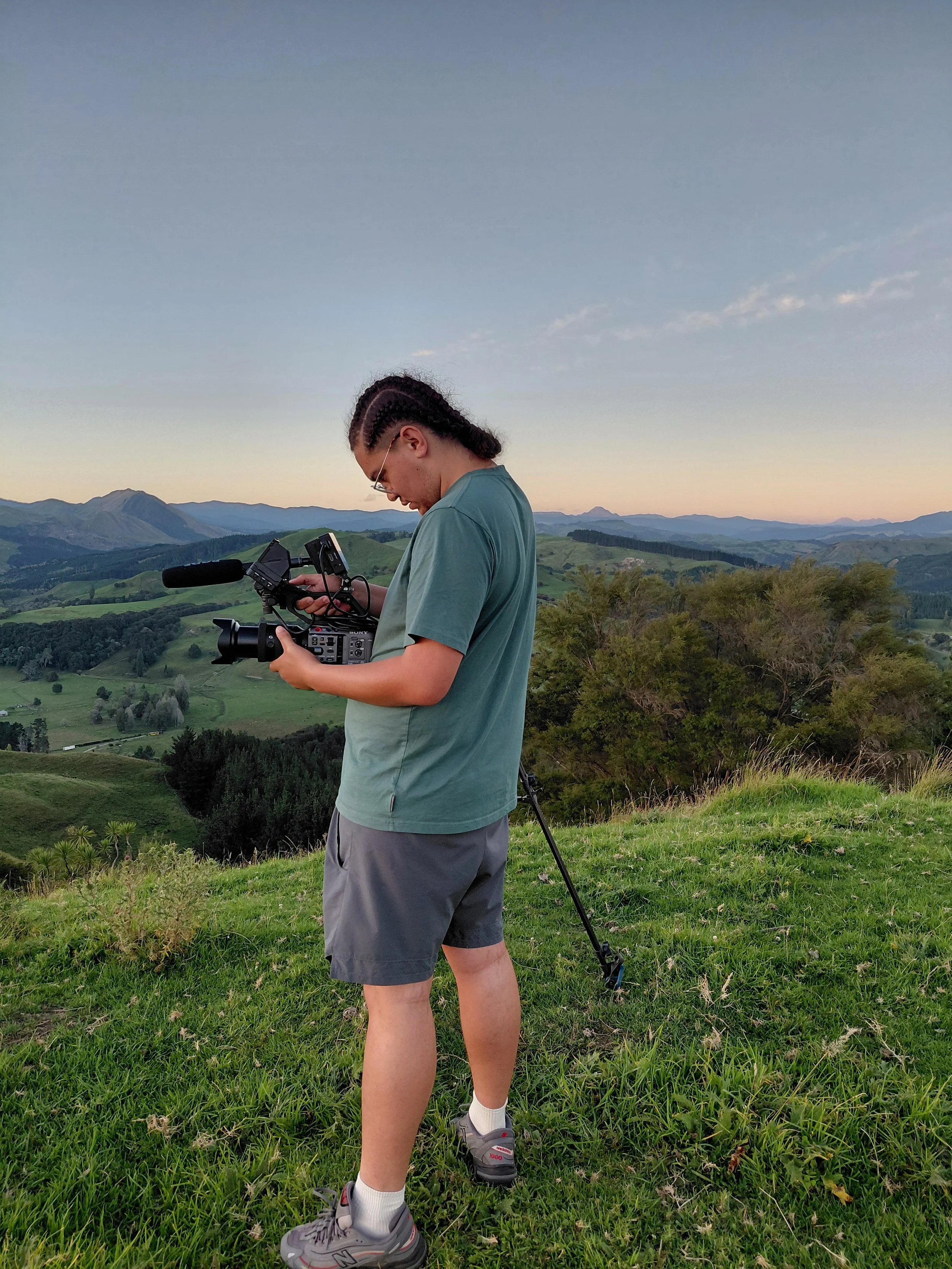
Looking ahead we are equally committed to monitoring ecological outcomes and sharing our journey. Follow-up eDNA testing, ongoing site monitoring, filmed documentation, interviews, and digital storytelling will allow us to measure environmental improvements while capturing the voices, experiences, and aspirations of our community. By sharing our learnings with other communities, we hope our project becomes a practical example of how mātauranga Māori, community leadership, and environmental science can work together to restore both ecosystems and people.
Like many rural community projects, we have faced challenges, community priorities and limited time resources, responding to weather events, and balancing restoration work with whānau commitments. These experiences have reinforced that successful restoration is built through patience, partnership, and long-term commitment. Most importantly, this project has strengthened hope within our community. It has shown that restoring tuna pathways is also about restoring whakapapa, cultural identity, environmental knowledge, and the wellbeing of future generations.


Fostering the collective well-being of Tairāwhiti Catchments
