

Mangaotane Farm Trust

Mangaotane Farm Trust korero
Vision
To Increase the biodiversity within the block and better understand where we can make further gains and improve the effectiveness off our predator control. This will help us to keep whanau connected to the whenua and provide a platform for further generation
Mangaotane has had a history of being a sheep and beef farm, production forestry, carbon forestry as well as native forest carbon sequestration. It is an excellent example of how relatively unproductive and challengingly steep, remote country can contribute both to primary industry production as well as grow biodiversity in the region.
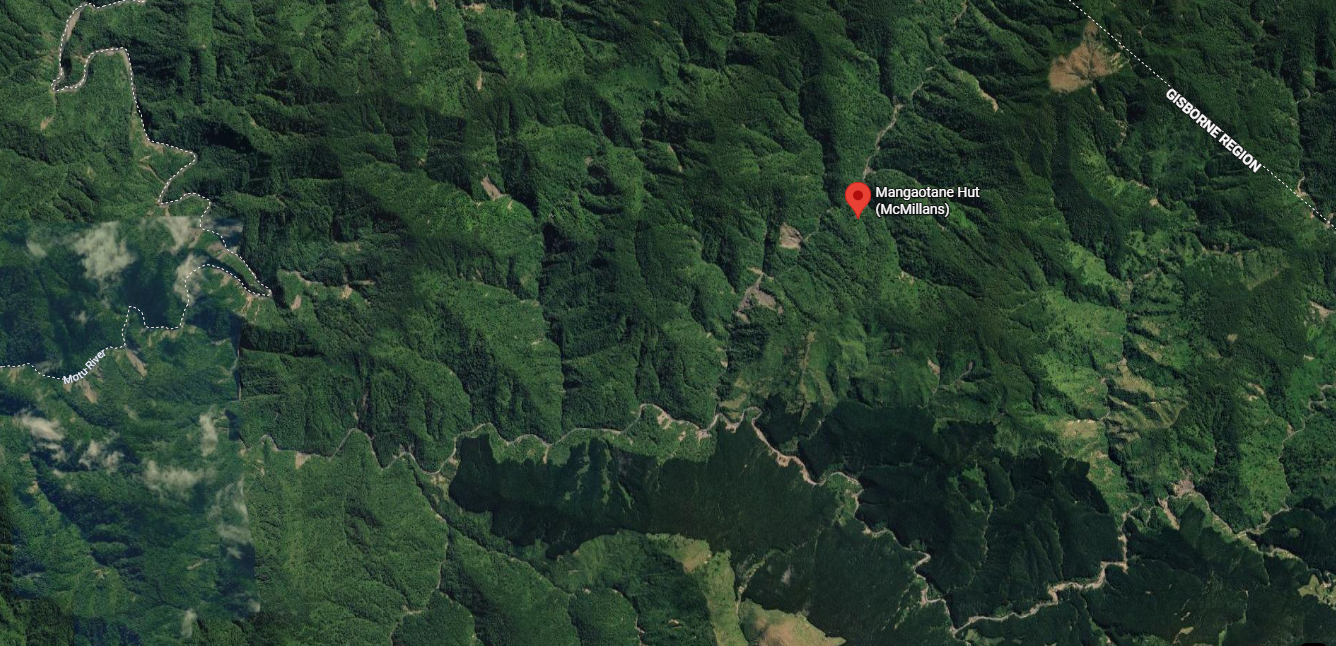
The Mangaotane Farm Trust currently has a biodiversity project operating encompassing an area of 5500ha with over 100km of traplines and predator control networks. The project commenced in 2021 funded ansemploys 5 staff and continues to utilise shareholders and volunteers as and when required. The Mangaotane climate, isolation and access are tall challenges to work around as the biodiversity project continues.
This project showcases what can be achieved in production and carbon forestry scenarios as well as multi owner Māori Trust Blocks when it comes to biodiversity and is quickly becoming a case study that can be a blueprint for the wider community. Shareholders are an integral part of our ungulate control program and assist with pest control through hunting and mahinga Kai processes on a weekly basis. This connection to the whenua is an integral part of our kaupapa.
Mangaotane Farm Trust online
Historical Milestones and Events
Completed a successful rollout and completion of the Ngā Whenua Rāhui Māori Land Funded JFN project.
Recognised and included in the Pūrongo Rua Tau Ngā Whenua Rāhui 2022-2024 Biennial Report
Leading from the Land -
Project Grant
Project Outline
Funding to complete an autonomous survey primarily targeting bats and kiwi to identify the effectiveness of the existing biodiversity projects predator control to date. Data will be compared to baseline data from the initial survey in 2021. This will include the deployment of acoustic recorders and completing an observer ecological field survey of both avifauna and herpetofauna observational surveys utilising Paddy Stewart from Sound Cloud.
Projected Learnings
To better understand the effectiveness of the mahi in the ROMA biodiversity project. The intention is to utilise information to develop a clear plan moving forward and unlock an ongoing work program focussed on taiao restoration with species such as Kiwi, Whio, and Pekapeka at its heart.
The wider ecological survey will uncover species that we suspect are present within the project but have not been quantified and this will help inform strategic objectives moving forward.
The next phase is understanding the condition of the ngahere itself via a more In-depth ecological survey to assist in the next phase of planning.
There is an opportunity to use information to get better buy in from neighbouring properties.


Fostering the collective well-being of Tairāwhiti Catchments
