

Makorori Environmental Protection Society

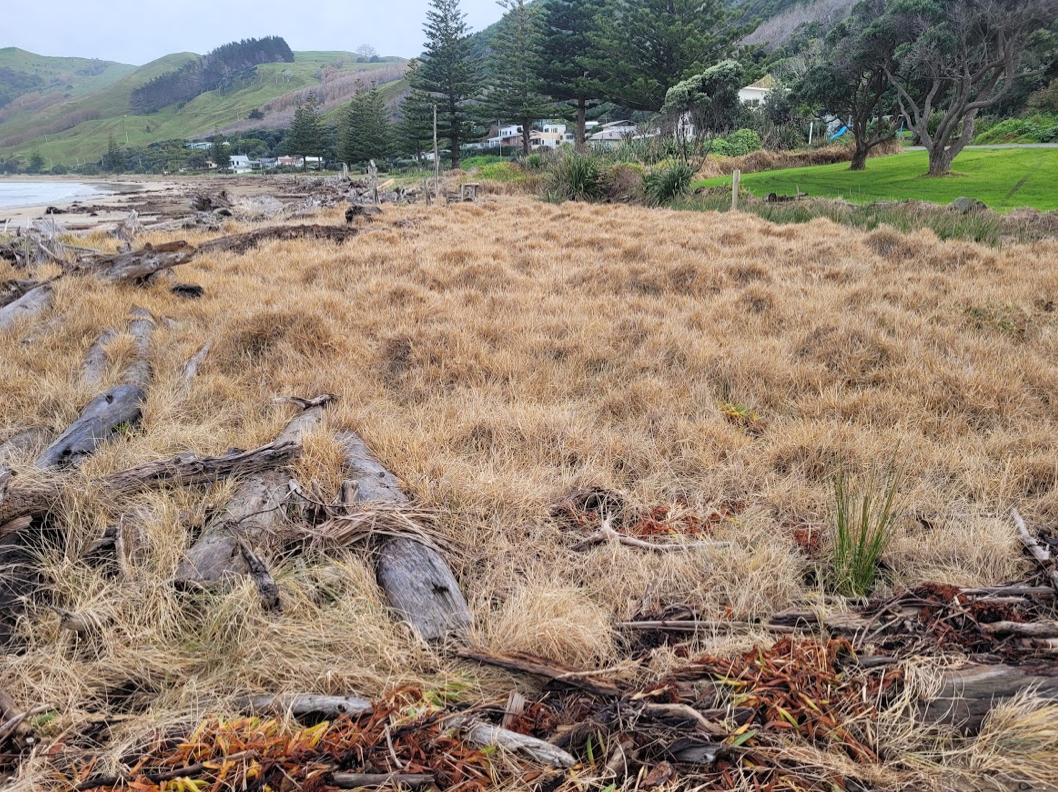
2025
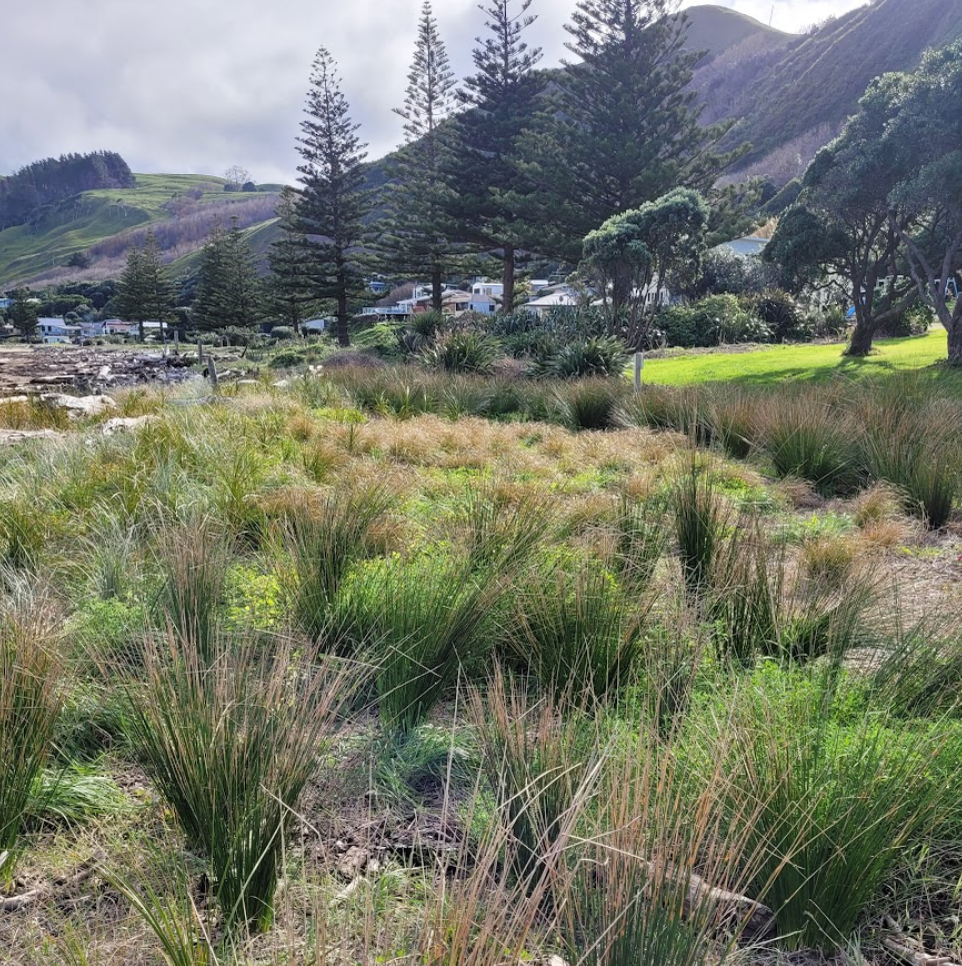
2026
Project Outline
Makorori Environmental Protection Society korero
The Makorori Environmental Protection Society (MEPS) is a community-led, incorporated society established to restore and protect the unique coastal ecosystem at Makorori Beach, Tairāwhiti. Our work is guided by the Makorori Master Plan, developed in collaboration with Gisborne District Council, mana whenua, landowners, residents, and conservation experts. MEPS is committed to the long-term protection of the dune, cliff, and reef ecosystems that are central to both the ecological health of the region and the resilience of the Makorori community.
Makorori is home to rare and threatened species such as Brachyglottis perdicioides (Raukūmara), northern New Zealand dotterel, reef heron as well as a vulnerable active sand dune system that provides natural protection from storm surges and sea-level rise. The beach is also one of the most significant surf and recreation sites in Tairāwhiti. It offers a combination of high-quality waves for a wide range of users, with breaks such as The Point and Centres among the most consistently surfable waves in the Gisborne region.
This environment has suffered from decades of human modification and was further damaged by the 2023 cyclones, which caused erosion, woody debris impacts, and land movement threatening homes and public access. The protection and restoration of this landscape is therefore critical for biodiversity, recreational and cultural values, and the future resilience of the coastal community.
Community engagement is at the heart of MEPS’s approach. Hui, volunteer planting days, and active communication channels have mobilised local residents and fostered a strong culture of environmental stewardship.
MEPs focus areas include:
Dune and native vegetation restoration.
Weed and predator control (rats, possums, stoats) to protect threatened flora and fauna.
Exploring and supporting a maunga-to-moana approach through revegetation of erosion-prone gullies and sediment source areas in partnership with adjacent farms.
Community education and active communication to mobilise local residents and foster a strong culture of environmental stewardship.
Protecting cultural and environmental values through collaboration with mana whenua.
Looking forward, MEPS is committed to expanding restoration efforts across the dune and coastal cliff systems, eradicating invasive weeds and predators, and propagating threatened coastal plant species such as pingao, spinifex, Veronica Tairāwhiti, and Brachyglottis perdicioides (Raukūmara).
As the health of the coastal environment is intrinsically linked to the wider catchment, MEPS is also beginning to explore opportunities to work with adjacent landowners to address erosion and sediment sources further upstream. Recent storm events highlighted the impacts of hill-country erosion, woody debris and sediment movement on the beach, dune system and reef environment. Future initiatives may include revegetation of erosion-prone gullies, restoration of riparian zones, and support for nature-based solutions that improve land resilience while maintaining productive land use.
By taking a maunga-to-moana approach, MEPS aims to enhance biodiversity, improve water quality, reduce sediment entering the coastal environment and strengthen the long-term resilience of both the natural environment and the local community.
Our long-term goal is a resilient, functioning coastal ecosystem that safeguards biodiversity, supports recreation and cultural values, and strengthens climate resilience for future generations.
Historical Milestones and Events
Incorporated as MEPS to formalise our community’s restoration and funding efforts.
Secured $30,000 in cyclone recovery funding, which enabled:
The planting of >8000 dune plants and protection fencing of 3500m² of dune habitat.
Installation of educational signage to improve awareness of dune protection.
Trial plantings of spinifex to stabilise eroding dune areas.
Upskilling of the group in weed control and purchasing tools and equipment for planting and long term maintenance.
Established strong working relationships with Gisborne District Council ensuring alignment with wider regional restoration goals.
Active community engagement through hui and volunteer planting events sharing updates and progress of the group.
Leading from the Land -
Project Grant
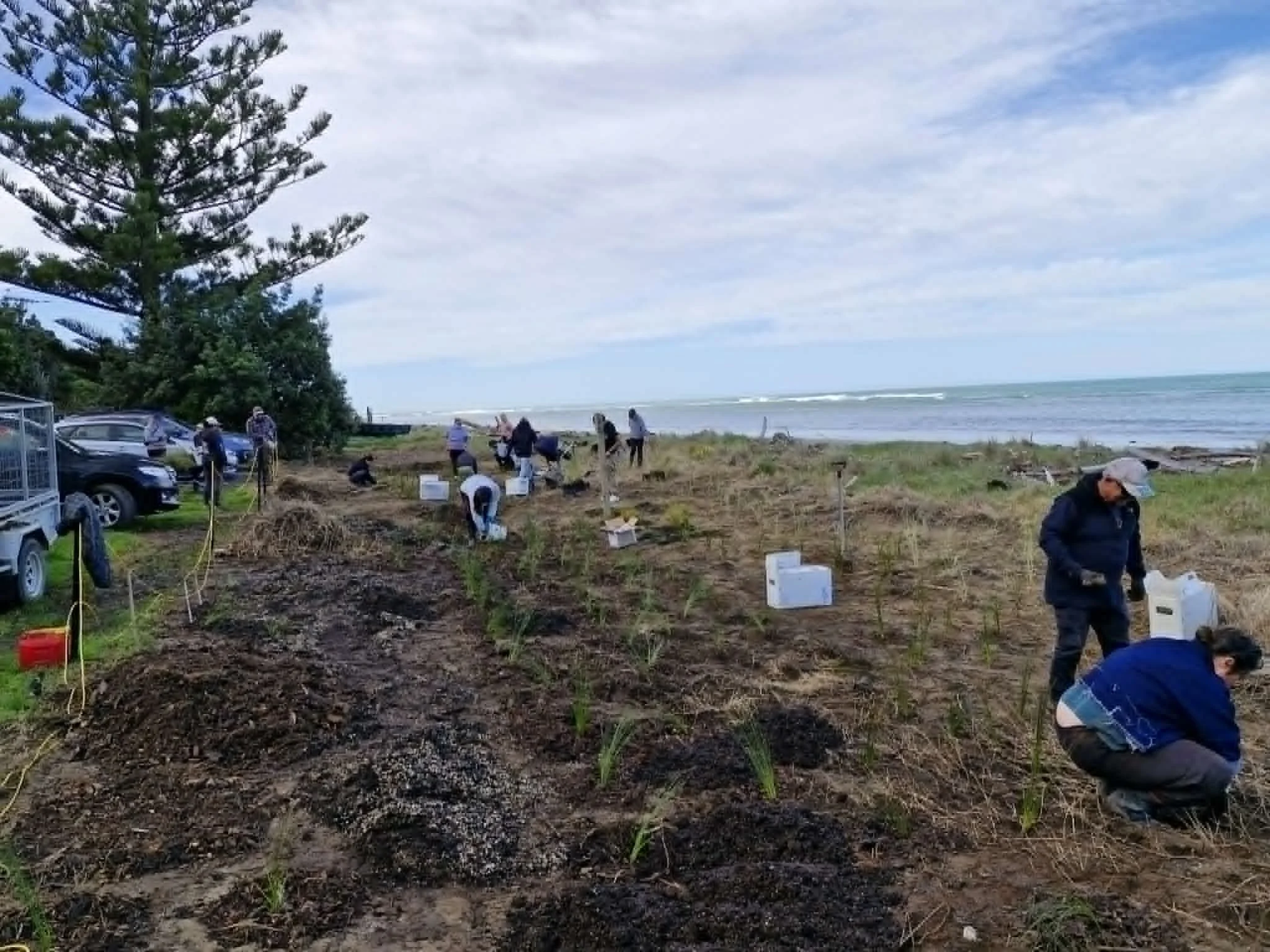
Over 70% of our dune systems nationally have been modified due to farming. With138kms of beaches and 202km of cliffs on the East Coast they are an integral part of our farming systems, particularly in the Makorori Beach environment. Much of the farmland at Makorori is a dune/coastal cliff environment with a flow of ecological assets and threats from the unfarmed to farmed dunes and unfarmed and farmed coastal cliffs. It is also worth noting that much of the dune system along Makorori Beach is owned by the Ferris whanau and held in a Maori trust block.
This project is a collaboration between the farmers and wider residential community to protect and enhance the highest value ecological assets within the catchment. It is natural that over time this project will be extended to build on this network will incorporate the gully systems within the farms.
MEPS is still learning what works best in local conditions, and this project supports an adaptive, learning-by-doing approach where action and refinement occur together.
In 2026, MEPS will trial new approaches to pest control, community-scale dune plant propagation, and project coordination to build long-term community capability to respond to environmental challenges along the Makorori coastline.
Project Collaborators
Whaia Titirangi – sharing mātauranga and technical knowledge on dune restoration and plant
propagation
Gisborne District Council (Oriana Ross) – ongoing technical and organisational support
Nga Manu Waiata – alignment with neighbouring pest control efforts
Makorori community – volunteers, residents, and local landowners contributing time, labour,
and local knowledge
Tai Ora Surf School in Uawa – volunteers and education around dune ecosystems and
importance of resilience
Project Learning Aims
1 - Pest Control
MEPS will trial a self-setting trapping network along the coastal cliff reserve and farmland boundary, alongside traditional trapping methods in dune areas.
MEPS will trial an alternating network of self resetting traps and DOC200s paired with Trapinator single set traps along the coastal cliff reserve and farmland boundary. This trial is targeting both possums and stoats in an effort to protect shore nesting and coastal cliff birds such as Korora (Little Blue Penguins) who are known to nest here, tarāpunga (Red Billed Gulls) of which there is a historic nesting population and potentially Grey Faced Petrel as well as Sooty Shearwaters in future. The trial will be run for 12 months and is tasked with understanding which trapping methodology is more effective at controlling stoats and possums while taking into account trapping effort.
A secondary trial will be conducted utilising a 25 trap strong snap trap network aimed at protecting the lizard community of Makorori including shore skinks, northern grass skinks, copper skinks, raukawa gecko and forest gecko. The trial will alternate lure types to find the best lure in this unique ecosystem through the seasons.
Key learnings will include:
● Effectiveness of trapping approaches on farm and dune environments
● Pest movement patterns and interactions with recreational users
● Feasibility of extending the approach to Makorori Headland and along the wider beach
system
2 - Plant propagation
The project will trial community-scale propagation of Hebe Tairāwhiti (at risk) , Tauhinu, Raukumera (critically endangered), spinifex/ kōwhangatara and pingao from locally collected seed and cuttings.
● Success factors for establishing and maintaining small local greenhouses
● Improving self-sufficiency and reducing reliance on off-site nurseries
● Sharing propagation knowledge with other groups such as Wainui Coastal Care, Whaia
Titirangi and Tai Ora (Uawa dune restoration).
Project coordination and community capability
After two planting seasons delivered entirely by volunteers, MEPS aims to learn what level of
coordination is required to sustain and grow this work. Project coordination will ensure the running of the Incorporated Society including seeking additional funding and leading the day to day running needs of the group.
Project Timeline
Start Date: March 2026 Project End Date: March 2027
Project Update - August 2026
To date, our focus has been on securing funding to purchase plants for this planting season. Most of our planting areas have now been prepared, although limited volunteer time and suitable weather for weed spraying have delayed some sites from being fully plant-ready. One 01/08/26, we completed our first community planting day for the season, with at least 5 more planned over the coming months.
We recently held a community hui to share our plans for the upcoming season and hear ideas and questions from our community. We discussed trapping, this year's planting, potential planting areas for next year, raising community-grown seedlings, culvert blockages, dune erosion, catchment and future weed management and planting te kūrae / the headland behind Makorori settlement.
We have successfully propagated wīwī from seed and locally sourced Tairāwhiti koromiko from cuttings. We have also taken cuttings from a couple of raukūmara plants that were displaced during a recent slip. Our next challenge is bringing the wīwī and raukūmara through to the transplant-ready stage. We are trialling a growtunnel to help with this, as te kūrae shades Makorori for much of the day, makingseedling propagation a constant balancing act.
We have also begun looking into the most appropriate traps for the ridge area and have arranged a planning meeting with the adjoining farm owners. We already have a small trap line in place, and following interest from several residents, we are hoping to extend it along the ridge behind their homes.
Finally, we have applied to become a Coast Care group through the Coastal Restoration Trust New Zealand. This will provide us with a platform to share updates, celebrate successes, highlight challenges, and connect with others who are interested in supporting the restoration of Makorori.


Fostering the collective well-being of Tairāwhiti Catchments
