

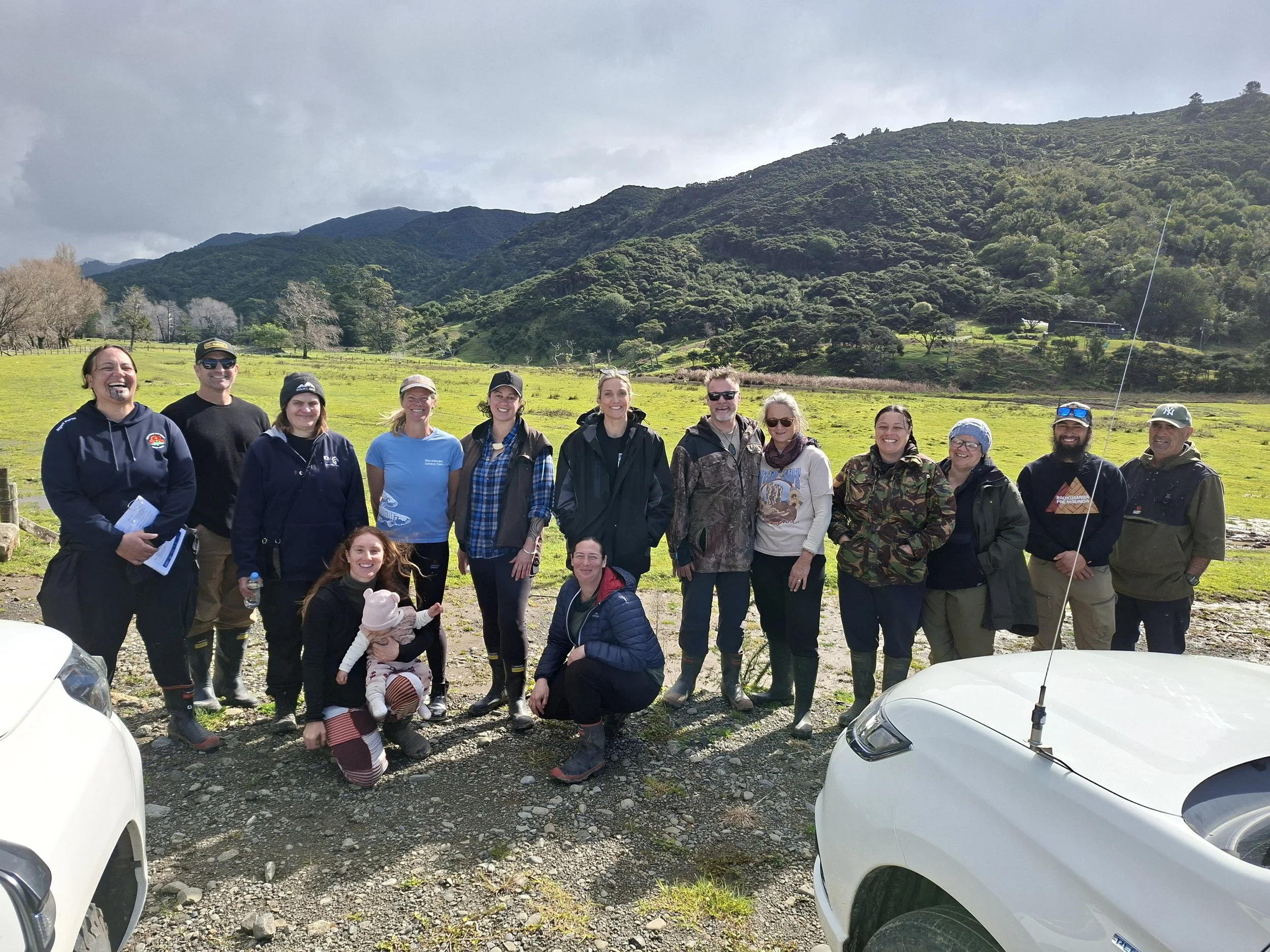
East Coast Hunting Fishing
and Taiao

Mana Whenua - Mana Whānau - Mana Rangatahi korero
Mana Tane ki Ruatoria is a men's support group located in the rural community of Ruatoria. It was established in July 2025 following many community hui after a lot of trouble within the community, as well as a lack of support systems for males in Ruatoria. We hold fortnightly wananga on Wednesday evenings where tane get together to share korero and experiences with each other. We finish each wananga with a kai. On weekends we get together with our whanau and share our mātauranga around safe mahi kai practices and helping others to reconnect with the whenua and moana.
Our vision is to promote better health and well-being for whanau.
Engagement Event
A two day wānanga that supports whanau through kaitiakitanga, pest management, and sustainable kai initiatives. The project will support biodiversity and the recovery of native flora and fauna through ongoing pest control, while also strengthening community relationships and reducing financial pressures through the use of
harvested pest species.
Outcomes
Key activities included:
Native rakau matauranga (sharing knowledge on the different species of natives we have in our rohe).
Pest identifying games included, pest sound guess game, match the pest to the sign it leaves from footprints to poop, name the pest in English and Te Reo Māori, match the pest to the damage they make on the whenua, and match the weapon to pest.
How to make possum bait and how to set possum traps, how to pluck possum fur.
Knife sharpening on stone and steel.
Venison break down, skinning, boning, steaking, mince making.
Native planting
Learnings included:
Our participants learned the traditional names, roles, and rongoā (medicinal) uses of native rākau.
They learned firsthand the destructive impact that pests have on the whenua, native canopies, and native birds.
They learned how to identify pests by the sound, sign, names and pics.
They learned the different methods of eradicating them, trapping, hunting.
Health and safety around hunting, knifes, and firearms.
Humane and hygienic wild meat processing, the session successfully demonstrated how pests can be managed to provide sustainable kai and putea for the whānau.
Project outcomes:
This wananga supported participants to reconnect with the whenua while developing practical skills in pest management, native planting, wild meat processing, and trapping.
Participants increased their understanding of how pests affect Te Taiao and the importance of protecting native species for future generations.
The sharing of mātauranga Māori strengthened cultural connections and reinforced the role of tangata whenua as kaitiaki.
Participants also gained practical skills that can be used to support their whānau through sustainable kai gathering, reducing food costs, and developing greater self-sufficiency.
Through hands on learning and shared experiences, this wananga encouraged teamwork, confidence, and a stronger sense of belonging.
Overall, this kaupapa supported whānau wellbeing by connecting environmental restoration, cultural knowledge, practical skills, and kaitiakitanga.
Future opportunities for learning and action:
The momentum from this wānanga has highlighted several clear pathways forward:
Establish ongoing community pest monitoring and control activities.
Increase rangatahi involvement in environmental restoration (in schools).
Develop practical training pathways linked to conservation and land management
Strengthen whānau access to sustainable kai and traditional kai gathering knowledge
Encourage participants to become mentors and share their learnings with others
Build partnerships that support continued learning and community led environmental projects.
Develop long term projects that protect native species and restore the mauri of the whenua.
The long-term goal is to encourage participants to put their learning into practice and contribute positively to their whānau, whenua and community.
Engagement
Benefits
Reflections
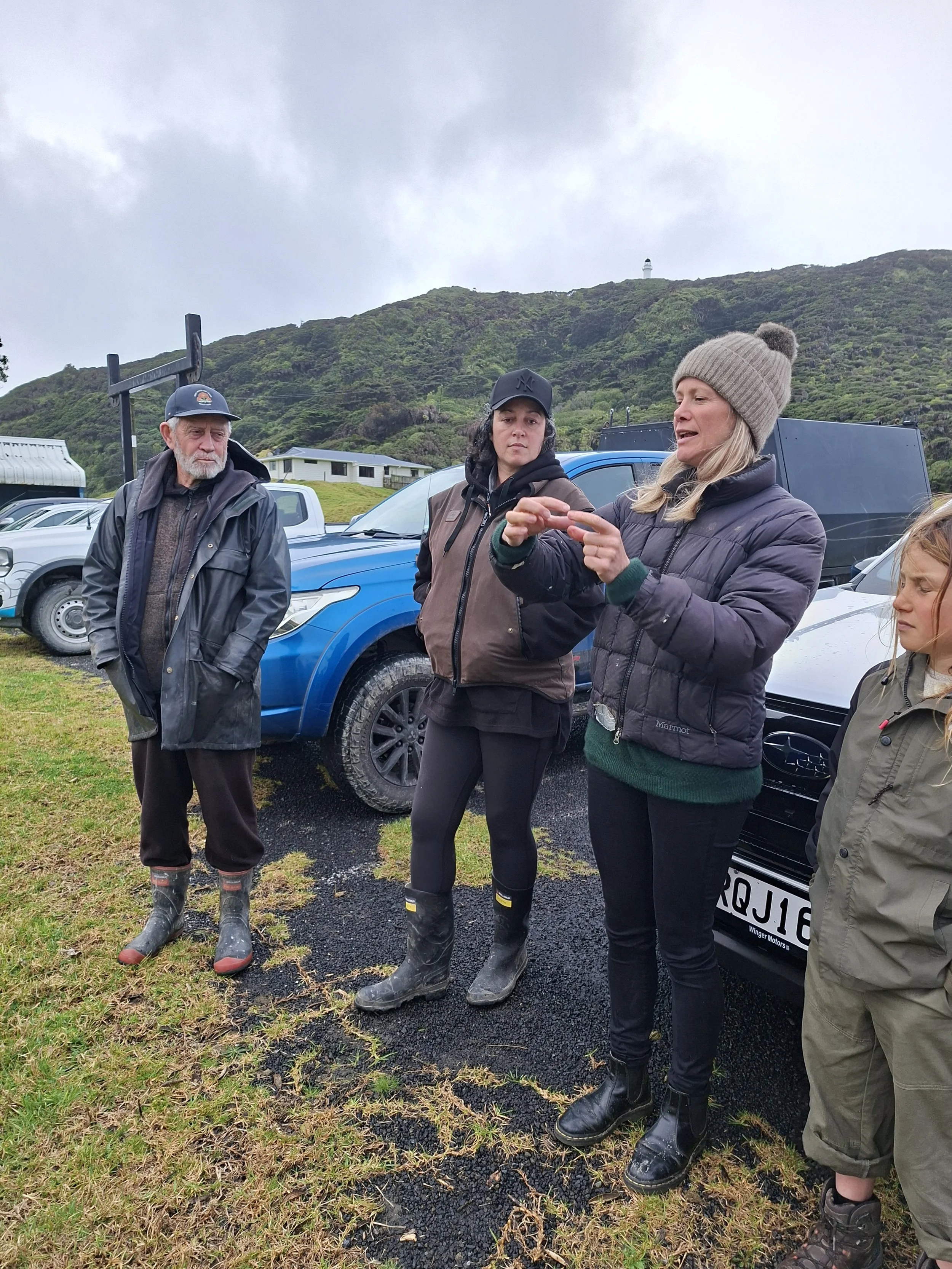
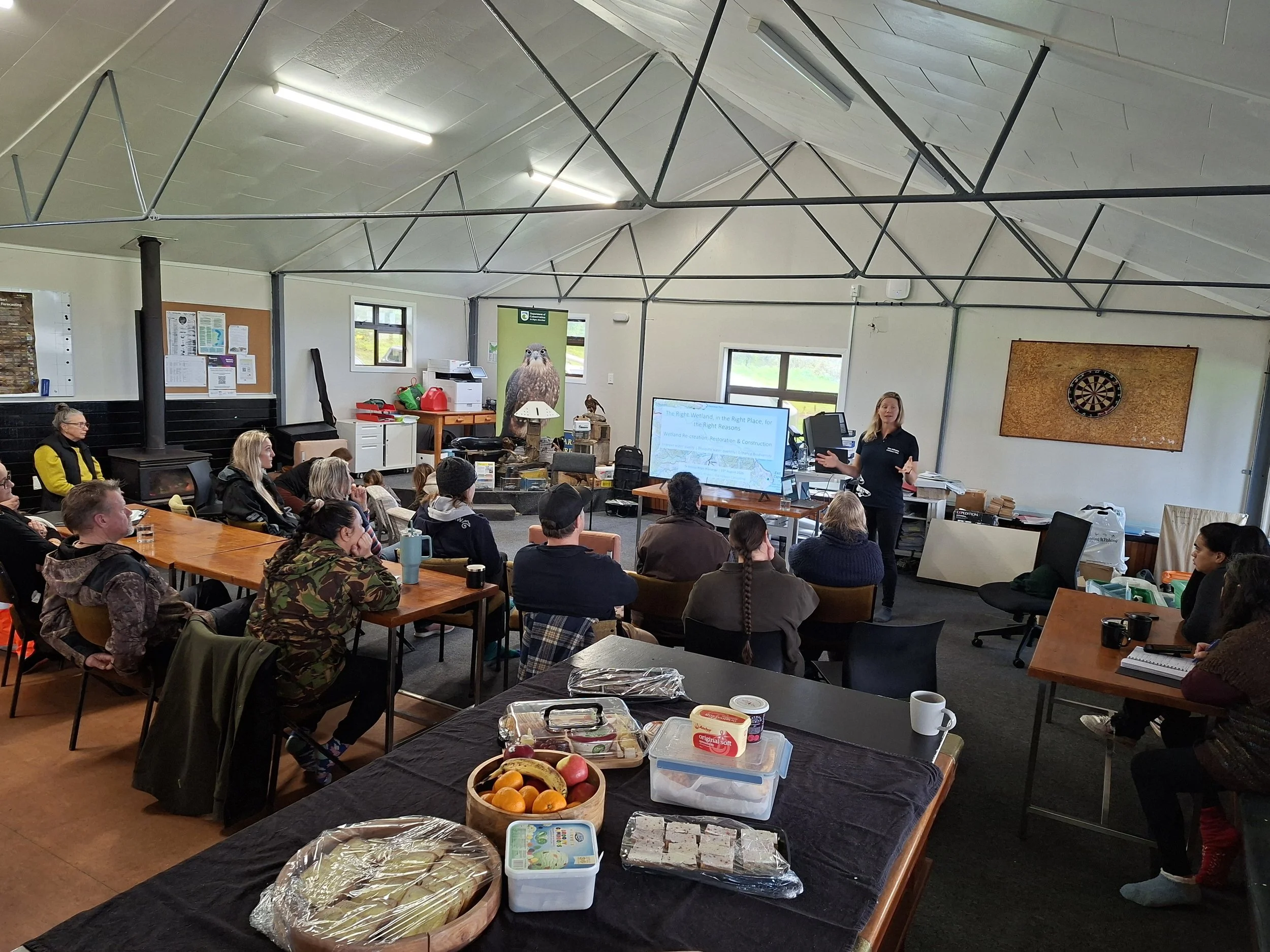
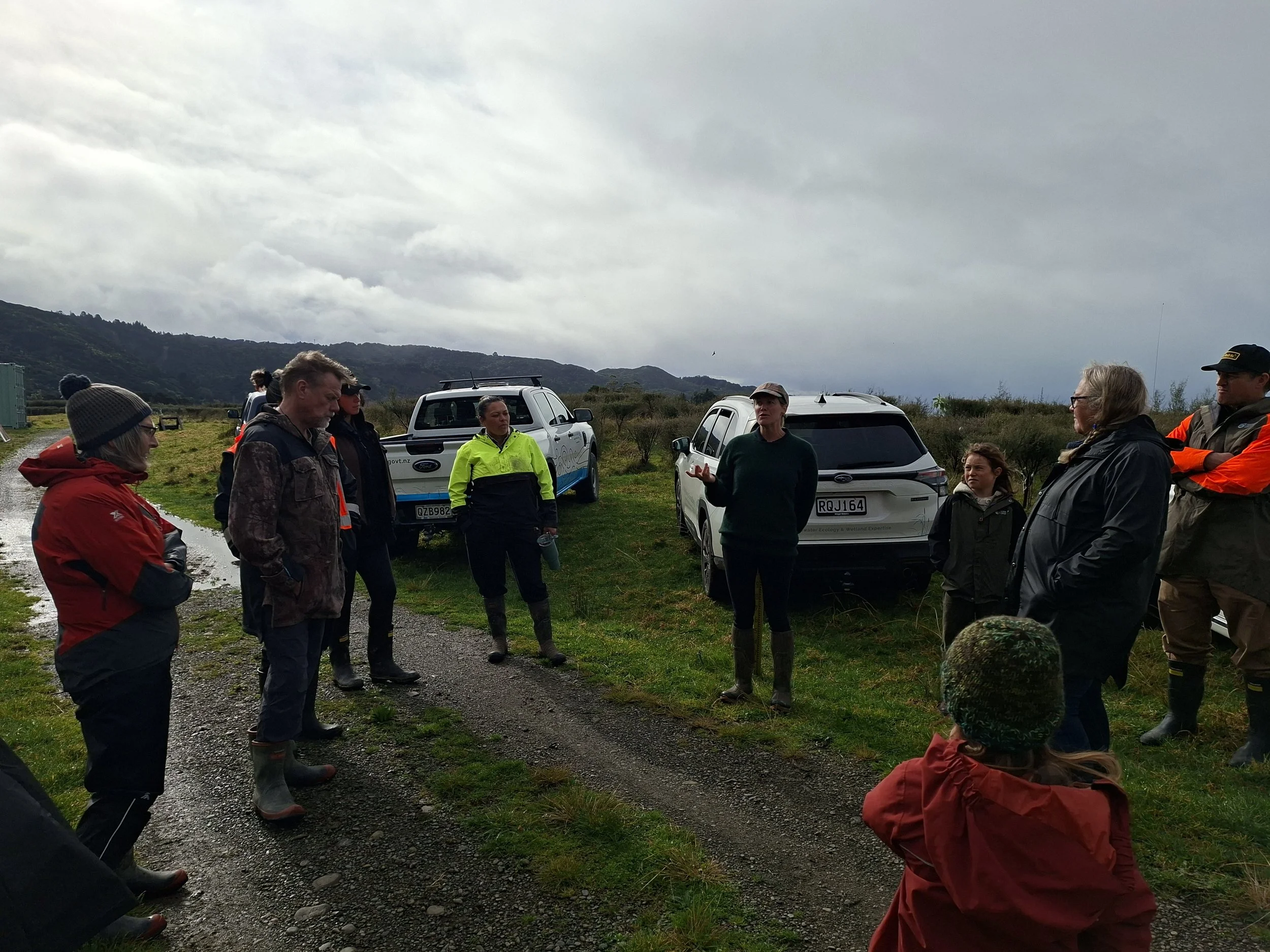
Before the wānanga, we were thinking about finding funding to fence and protect the full watercourse—from the puna wai through to the areas where water pools below the hills. Rebecca’s advice helped us see another way forward: begin with an achievable area of around 500 square metres, about the size of a tennis court. We could protect, observe and monitor that area, learn what works, and build out from there over time. Her guidance could help us shape a practical wetland restoration plan that strengthens our wai, waterways and whenua while protecting our native seed sources and supporting natural regeneration. Thank you again. We came away with plenty to think about and a much clearer starting point. - Bella Paenga


Fostering the collective well-being of Tairāwhiti Catchments
